
Plants
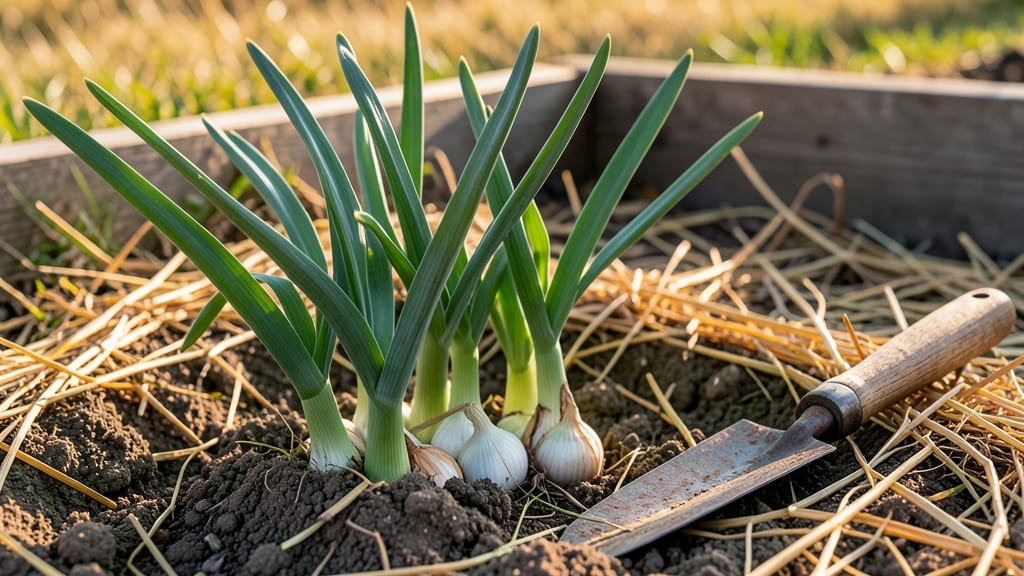
Planting garlic in the fall 🧄 is one of the most rewarding gardening decisions you can make—but timing is everything. Get it right, and you'll enjoy a harvest of plump, flavorful bulbs the following summer.
Miss the window, though, and you might end up with weak growth or no harvest at all.
For most gardeners in USDA Zone 6a (like me!), the ideal window is 4-6 weeks before the first frost, typically between mid-October and early November. This timing gives your garlic roots time to establish before winter dormancy kicks in.
But here's the catch: hardneck and softneck varieties have slightly different needs, and your local climate plays a big role.
I’ve learned the hard way that planting too early can lead to premature sprouting, while waiting too long risks stunted growth. The key is balancing soil temperature, daylight hours, and frost dates.
Let me walk you through exactly how to nail this timing—plus soil prep tips and variety-specific advice—so you can grow garlic like a pro.
Whether you're a seasoned gardener or just starting out, these insights will help you avoid common mistakes and set yourself up for a bountiful harvest. Ready to get your garlic in the ground at the perfect moment? Let’s dive in.
Fall planting timing by USDA climate zones: hardneck vs softneck garlic
Planting garlic in the fall gives it time to establish strong roots before winter, but the perfect timing depends on your USDA zone and whether you're growing hardneck or softneck varieties.
Hardnecks thrive in colder climates, while softnecks prefer milder winters. Miss the window, and you risk stunted bulbs or no harvest at all.
For most gardeners, the ideal planting window is 4-6 weeks before the first frost. This ensures garlic has time to root but doesn't sprout too early. However, zones 3-5 need earlier planting, while zones 8-10 may need adjustments for milder winters. Let's break it down by zone.
🌱 Comparison Table: Below is a zone-by-zone breakdown of when to plant hardneck vs softneck garlic, including regional adjustments for early or late fall planting.
In USDA zones 3-4, where winters are harsh, plant hardneck garlic as early as mid-September. These varieties need cold vernalization to form bulbs, so don’t wait too long. In contrast, softneck garlic isn’t suited for these zones because it struggles with extreme cold.
Zones 5-6 offer flexibility. Hardneck garlic thrives when planted from late September to mid-October, while softneck garlic can go in slightly later, up to November. The key is ensuring the ground doesn’t freeze before roots establish—aim for 40-50°F soil temps.
For zones 7-8, where winters are mild, hardneck garlic can still work but may bolt prematurely if planted too late. Opt for October planting and choose varieties like ‘German White’ or ‘Music’, which tolerate warmer winters. Softneck garlic is the safer bet, planted in November.
In zones 9-10, hardneck garlic is a no-go—it won’t survive the mild winters. Instead, focus on softneck varieties like ‘Artichoke’ or ‘Silverskin’, planted from November to early December. These varieties store well and thrive in milder climates.
Regional adjustments matter! For example, in Pacific Northwest zones 7-8, plant hardnecks in October to avoid winter rains. In Southern California (zone 10), wait until December for softnecks to avoid heat stress. Always check your local frost dates and adjust accordingly.
Pro tip: Use a soil thermometer to confirm temps are below 50°F before planting. If soil is too warm, garlic may sprout too early and suffer in winter. Mulch with straw or leaves after planting to insulate roots and prevent heaving during freeze-thaw cycles.
Remember, fall-planted garlic takes 9-10 months to mature, so timing is everything. Get it right, and you’ll reap plump, flavorful bulbs next summer. Get it wrong, and you might end up with small, weak harvests—or none at all.
5 Key signs your fall garlic planting is perfect (or needs adjustment)
Planting garlic at the right time in fall ensures strong root development before winter dormancy. But how do you know if you're timing it perfectly? Look for these 5 key indicators that confirm your garlic is ready for the ground—or needs a delay.
I’ve planted hundreds of cloves, and these signs save me from wasted effort every season.
First, check your soil temperature. Ideal planting conditions occur when soil temps drop to 40-50°F (4-10°C). Use a soil thermometer to verify—this is your green light. If it’s warmer than 50°F, your garlic may sprout too early and get leggy before winter sets in.
Next, monitor daylight hours. Aim to plant garlic when days shorten to 10-12 hours of sunlight. This typically aligns with late September to early November, depending on your zone. Too much daylight tricks garlic into thinking it’s spring, leading to weak bulb formation.
Here’s how to troubleshoot timing issues with these practical adjustments:
Soil must be 40-50°F (4-10°C) at planting depth. Use a thermometer to confirm—colder than 40°F risks frost damage before roots establish.
Plant when daylight drops to 10-12 hours. Check your local sunrise/sunset times—this is your best natural timer.
Root crops like garlic thrive with a waxing moon. Plant during the moon’s increasing phase for stronger bulb development.
Avoid planting if frost is expected within 2 weeks. Wait for stable, cool weather to prevent cloves from freezing before roots take hold.
Plant 4-6 weeks before your first frost date. This gives garlic time to root but avoids winter dormancy before spring growth.
If you’ve planted too early, you’ll notice premature sprouting or garlic growing too tall before winter. In this case, cover the bed with straw mulch (4-6 inches) to protect cloves and slow growth. For late plantings, your garlic may not form bulbs properly—so adjust next year by planting sooner.
Pro tip: Hardneck varieties (like ‘Music’ or ‘German White’) need colder winters, while softnecks (like ‘Silverskin’) tolerate milder climates. Match your variety to your zone’s frost patterns for the best results. With these signs, you’ll nail your garlic timing every fall.