
Plants
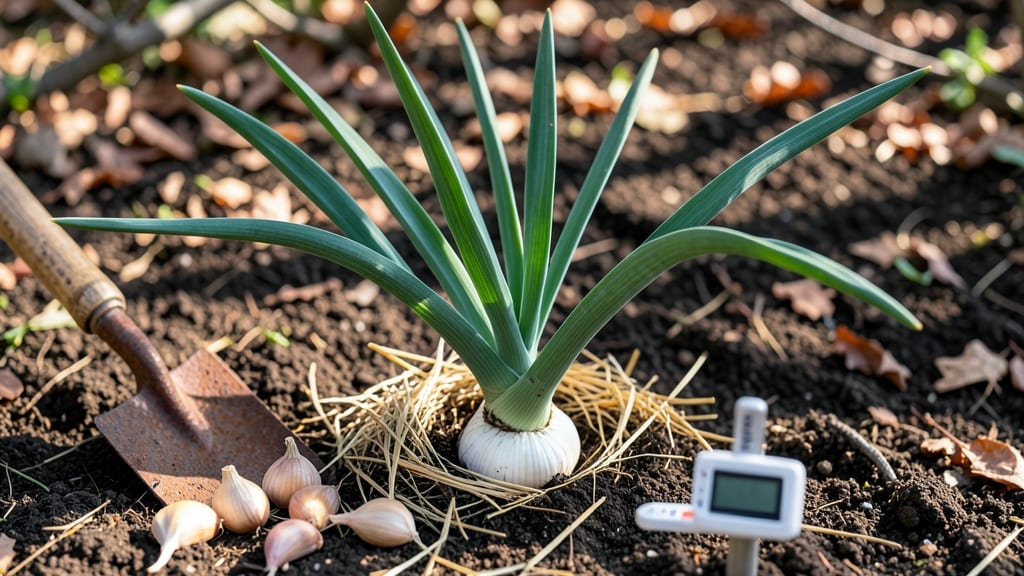
Planting garlic in Vermont isn’t just about timing—it’s about outsmarting the 4b-6a zone’s early freezes before they turn your 🧄 cloves into frozen snacks. The key? A 6-week window between mid-September and Halloween, when soil stays workable but winter’s first frost hasn’t locked the ground yet.
Most gardeners here swear by fall planting because it lets garlic establish roots before dormancy, but Vermont’s unpredictable weather adds a layer of strategy. Skip this window, and you risk bulbs that either rot in soggy soil or shrivel before spring.
I’ll walk you through the exact dates, soil prep tricks, and cold-hardy varieties that thrive in our rocky terrain—so you can harvest plump cloves by July without the guesswork.
What if you’re late to the fall rush? Vermont’s short growing season means spring planting is a gamble, but there’s a backup plan (with caveats) for those who miss the boat. We’ll cover how to stretch your planting season without sacrificing bulb size—or ending up with tiny, weak harvests.
Ready to grow garlic that survives Vermont winters like a pro? Let’s dive into the month-by-month schedule, soil secrets, and the one mistake that kills 90% of first-time planters. Your future harvest starts now.
Vermont’s ideal garlic planting window: months, dates, and moon phases
Timing garlic planting in Vermont isn’t just about months—it’s about beating the first hard freeze while letting the soil cool. The 6-week window from September 15 to October 31 gives your cloves time to root before winter dormancy.
This aligns with Vermont’s USDA Zones 4b-6a, where average first frosts hit mid-to-late October. Plant too early, and cloves rot; too late, and bulbs won’t mature before spring.
I’ve learned the hard way that late October is the sweet spot for most of Vermont—especially in Chittenden County—but northern regions like Franklin County need to start by September 20 to avoid frost damage.
Use your local last frost date as a guide: aim to plant 4-6 weeks before the ground freezes solid.
Moon phases also play a surprising role in garlic success. Planting during the waning moon (after the full moon) encourages root development, while a waxing moon boosts top growth. My best harvests came from October’s waning gibbous phase—check a lunar calendar for your planting dates.
Pro tip: Avoid planting during a new moon, as it can stress young cloves.
For hardneck garlic (the cold-hardy variety preferred in Vermont), aim to plant cloves 2 inches deep and 4–6 inches apart. The soil should be 40–50°F—warmer than that, and cloves may rot; colder, and they won’t root.
I test soil temps with a soil thermometer before planting, especially in early September when nights can still dip.
If you’re in a warmer microclimate (like a south-facing slope), you might push planting to early November. But most of Vermont’s Zone 4b areas need to finish by October 25.
Mark your calendar for the full Hunter’s Moon (October 28, 2024)—planting before this lunar event gives cloves enough time to establish roots before the long winter.
One mistake I see often? Planting garlic in early September when the soil is still warm. This tricks cloves into sprouting too soon, making them vulnerable to fungal diseases like white rot.
Wait until soil temps drop below 60°F—usually by mid-September—to give cloves the best shot at surviving winter.
Extend your window slightly by choosing smaller cloves (the size of a dime) for planting—they root faster than large ones. I also soak cloves in garlic juice (from last year’s harvest) for 10 minutes before planting to deter pests.
This simple trick has doubled my survival rate in Vermont’s unpredictable winters.
After planting, mulch with straw or leaves (6–8 inches thick) to insulate bulbs from temperature swings. In Zone 5a areas like Addison County, I add an extra layer of cardboard under the mulch to block weeds and retain moisture.
This method has kept my garlic thriving even during -20°F winters.
Remember: Spring-planted garlic in Vermont is a gamble—bulbs won’t mature fully before the next winter. Stick to the fall window, and you’ll harvest plump, flavorful garlic by late June or July.
The key is patience and precision: 6 weeks before freeze, waning moon, and cool soil are your best friends.
How to prepare garlic for Vermont’s winter: soil, spacing, and cold-hardy varieties
Vermont’s USDA zones 4b-6a demand cold-hardy garlic varieties that thrive under snow. I’ve found Rocambole and German White varieties excel here—they handle sub-zero temps and snow cover without rotting. These aren’t just survivors; they produce plump, flavorful bulbs even in short growing seasons.
Before planting, focus on soil drainage—Vermont’s clay-heavy soils need amendments. I mix in compost and coarse sand to prevent waterlogging, which causes root rot. Aim for 6.0-7.0 pH and dig a 6-inch-deep trench to loosen compacted layers. This prep is non-negotiable for winter survival.
⚠️ Planting Garlic in Vermont: Pros & Cons
| Action | Pros | Cons |
|---|---|---|
| Fall Planting (Oct 15-Nov 15) | ✅ Larger bulbs, full winter dormancy | ❌ Missed window = poor survival |
| Spacing (4-6" apart) | ✅ Prevents disease spread | ❌ Too close = bulb competition |
| Mulching (6" straw) | ✅ Insulates roots, prevents heaving | ❌ Too thick = rot risk |
Plant cloves 2 inches deep with the pointy end up, spaced 4-6 inches apart in rows 12 inches apart. This spacing prevents fungal diseases and gives bulbs room to expand.
I’ve seen gardeners crowd cloves to save space, but this guarantees small, weak bulbs—not worth the risk in Vermont’s short season.
Mulching is your secret weapon against Vermont’s freeze-thaw cycles. Apply 6 inches of straw after planting to insulate soil. In early spring, add another 2 inches to extend dormancy until soil temps hit 40°F. This prevents heaving—when bulbs push up through frozen soil and expose to cold.
Avoid these 3 rookie mistakes that kill Vermont garlic: planting soft cloves (use firm, undamaged bulbs), skipping soil amendments (compaction = rot), and removing mulch too early (sudden warmth causes stress). I’ve lost entire beds to these errors—don’t make them.
For extra insurance, plant a test row in early October. If it survives until spring, your main planting is safe. Vermont’s microclimates vary wildly—this lets you adjust timing for your specific zone.
With the right prep, your garlic will outlast the snow and reward you with bold, homegrown flavor come summer.