
Plants
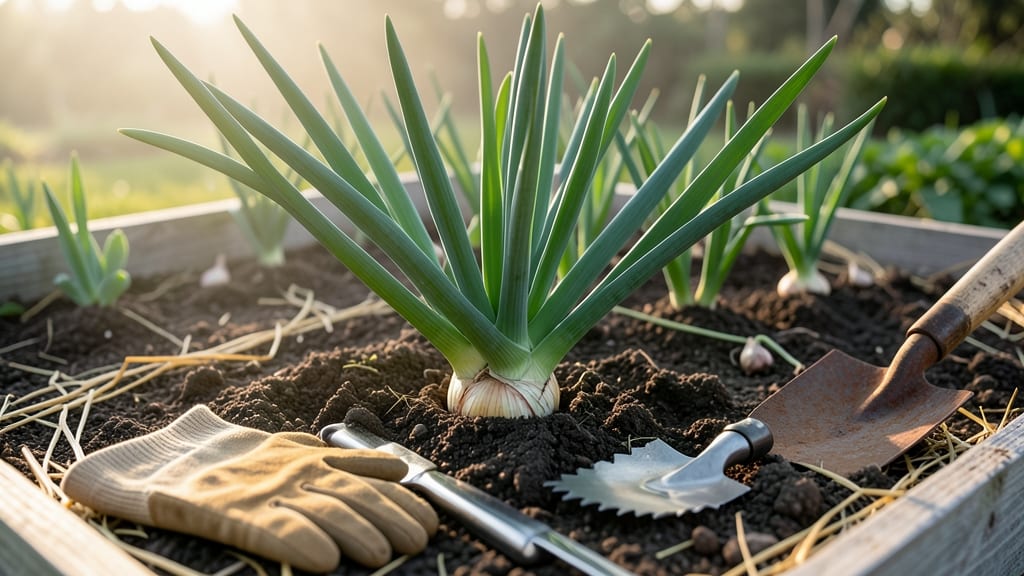
Planting onions in Georgia at the wrong time can turn your sweet 🧅 harvest into a bitter disappointment—literally. The key to growing flavorful, bulbous onions lies in understanding Georgia’s unique climate zones and the best planting windows for both fall and spring.
If you’ve ever wondered whether to plant in February or wait until August, the answer depends on your variety—short-day onions (like the sweet Vidalia types) thrive with Georgia’s mild winters, while long-day onions need precise timing to avoid bolting.
I’ll break down exactly when to plant for maximum yield, whether you’re growing for green onions, storage bulbs, or fresh eating.
Georgia’s 7b-8b zones give you two chances to succeed: a fall planting window (August-September) that matures before winter, and a spring window (February-March) that aligns with your last frost date. But timing isn’t just about months—soil temperature, variety selection, and even mulching play critical roles in preventing common mistakes.
Let’s dive into the exact planting schedule that works for Georgia gardeners, plus pro tips to keep your onions happy from seed to harvest—no guesswork required.
Georgia onion planting calendar: fall vs spring timing by variety
Georgia’s mild winters and extended growing season create perfect conditions for growing three onion types: short-day (sweet), intermediate-day (yellow), and long-day (storage). But planting timing varies drastically between varieties and seasons.
In USDA Zones 7-8, fall and spring planting each offer unique advantages—but only if you follow the right schedule. Let’s break down the exact windows for each type, including soil temperature requirements and regional adjustments for North vs. South Georgia.
First, understand that short-day onions (like Texas Early White) thrive in Georgia’s climate because they don’t bolt from long daylight. Meanwhile, long-day onions (like Yellow Sweet Spanish) require careful timing to avoid flowering.
The key is matching your variety to the day-length cues your plants receive during growth. For example, fall-planted onions grow through winter’s shorter days, while spring-planted ones face longer daylight as they mature.
Here’s the critical rule for Georgia: Soil temperatures must stay above 45°F (7°C) for consistent germination. In colder North Georgia (Zone 7b), aim for warmer soil before planting, while South Georgia (Zone 8b) can start slightly earlier.
Use a soil thermometer to verify—cold soil delays growth and increases disease risk.
Now, let’s dive into the exact planting windows for each onion type in Georgia, including transplant dates and soil prep tips tailored to your region.
| Onion Type | Best Planting Window | Soil Temp Requirement | Transplant Date (North GA) | Transplant Date (South GA) | Harvest Window |
|---|---|---|---|---|---|
| Short-Day (Sweet) | Fall: August 15–September 15 Spring: February 15–March 15 |
50–60°F (10–15°C) | September 1–15 | August 20–September 10 | April–May (spring) or October–November (fall) |
| Intermediate-Day (Yellow) | Fall: September 1–15 Spring: March 1–15 |
50–60°F (10–15°C) | September 15–30 | August 25–September 10 | May–June (spring) or November (fall) |
| Long-Day (Storage) | Spring Only: February 1–March 15 | 50–60°F (10–15°C) | March 1–15 | February 15–March 1 | June–July (cure for storage) |
For fall planting, short-day onions like Candy or Texas Early White are your best bet—they mature quickly in Georgia’s mild winters. Plant 90–100 days before the first frost (typically mid-November in North GA and early December in South GA).
This timing ensures bulbs mature before cold sets in. Use transplants (not seeds) for faster results, as Georgia’s short fall window doesn’t allow time for seed germination.
Spring planting offers a longer harvest window but requires precision. Long-day onions like Yellow Sweet Spanish must be planted 4–6 weeks before your last frost date (around March 15 in most of Georgia).
If you plant too early, they’ll bolt from long daylight; too late, and you’ll miss the optimal bulb-size window. For intermediate-day varieties, aim for March 1–15—this balances daylight exposure to prevent bolting while allowing bulbs to swell.
Region matters! In North Georgia (Zone 7b), wait until soil temperatures consistently reach 50°F (10°C) before transplanting. Use black plastic mulch to warm the soil faster if needed. In South Georgia (Zone 8b), you can plant 2–3 weeks earlier thanks to warmer microclimates.
Always check a local frost calendar—unpredictable late frosts can ruin fall-planted crops if you’re too aggressive with timing.
Pro tip: Direct-se
How to choose between fall and spring onion planting in Georgia
Deciding between fall and spring onion planting in Georgia depends on your goals: Are you growing green onions, bulbs for storage, or fresh eating? Each season offers unique advantages, but bolting risks and pest pressures change the game.
Let’s break down the pros and cons so you can pick the perfect timing for your garden.
Georgia’s USDA zones 7b-8b provide flexibility, but fall planting often yields larger bulbs with fewer pests, while spring planting gives you an earlier harvest.
The key is matching your variety—short-day onions (like Candy or Texas Early White) thrive in fall, while long-day varieties (like Yellowstone) need spring’s cooler temps to mature properly.
Fall Planting (August-September)
- Larger bulbs
- Fewer pests
- Longer storage life
- Bolting risk if planted too early
- Requires frost protection
- Harvest delayed until spring
Spring Planting (February-March)
- Early harvest (April-June)
- Better for green onions
- No frost worries
- Smaller bulbs
- Higher pest pressure
- Bolting risk in summer heat
If you’re growing storage onions, fall planting wins—bulbs mature over winter and store better. For green onions or quick harvests, spring is your best bet. My trick?
Plant a mix of both seasons! Start with spring sets in February for early greens, then follow with fall transplants in late August for bulbs.
Watch for bolting—a major enemy in Georgia’s heat. Fall-planted onions need consistent moisture to avoid early flowering. In spring, shade cloth can help if temps soar above 85°F. Mulching with straw also keeps roots cool and reduces pest access.
Extend your season with succession planting. Sow green onions every 2-3 weeks in spring for a continuous harvest. For bulbs, stagger fall plantings in two batches: one in early August and another in late September. This spreads out your harvest and minimizes bolting risks.
Remember, Georgia’s unpredictable weather means flexibility is key. Use row covers in fall to protect young plants from sudden freezes, and watch for onion maggots in spring. With the right timing, you’ll enjoy fresh onions from April through November!