
Plants
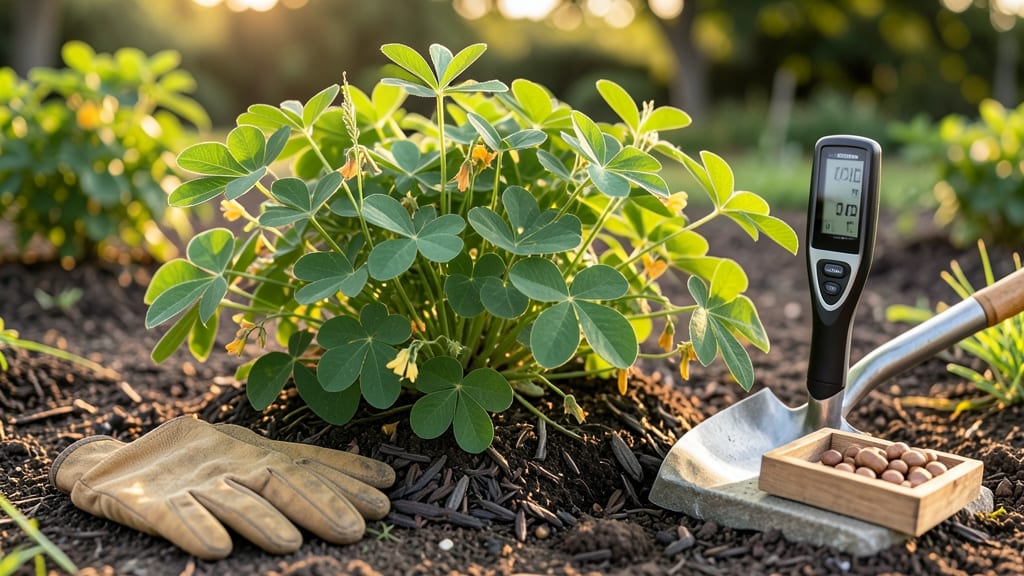
To grow peanuts in North Carolina with a 120-day harvest, when do you plant peanuts in NC—timing is everything—and getting it wrong could mean losing your entire crop before the first frost.
The difference between a thriving 🥜 patch and a failed planting often comes down to those critical 6 weeks between mid-April and early June.
North Carolina’s 7a-8b zones offer ideal conditions, but even here, planting too early risks frost damage, while waiting too long cuts your harvest short.
Whether you’re in the Coastal Plain or Piedmont, the key is understanding how soil temperature and regional microclimates interact to create that perfect window for germination and growth.
I’ll break down exactly when to plant based on your specific zone, how to adjust for early or late varieties, and the 5 warning signs your timing might be off.
By the end, you’ll know not just when to plant, but why—so you can maximize your yield from late September through October.
Ready to avoid the most common mistakes? Let’s dive into the heat zone deadlines that separate a bountiful harvest from a total flop.
NC heat zones and ideal peanut planting dates by region
North Carolina’s USDA heat zones 7b, 8a, and 8b create perfect conditions for growing peanuts, but timing your planting is non-negotiable. The state’s 120-day varieties like Virginia and Spanish types need precise windows to mature before the first frost.
Let’s break down the best planting dates for each zone, including soil temperature and frost risk factors.
Peanuts thrive in warm soil—at least 70°F (21°C)—and need 190 frost-free days to reach maturity. In NC’s Coastal Plain (8a/8b), you can start as early as late March, while Piedmont (7b) gardeners should wait until mid-April to avoid late frosts.
The key? Plant when your soil warms and nighttime temps stay above 55°F (13°C).
Soil temperature is your best indicator. Use a soil thermometer to confirm warmth before planting. In zone 8b (southeastern NC), soil hits 70°F by mid-April, while zone 7b (western NC) may not reach it until early May. Rushing can lead to stunted growth or even seed rot.
Here’s a quick reference for your region:
For 120-day varieties, planting between late April and early June ensures your peanuts mature before the first frost.
If you’re growing Virginia-type peanuts, aim for late April to May—this gives them enough time to develop firm pods before temperatures drop. Spanish types, which mature faster, can stretch into early June planting.
Watch for soil moisture during germination. Peanut seeds need consistent moisture to sprout, but overwatering can cause rot. Use a mulch layer to retain moisture and regulate soil temperature. In zone 8b, where summers are hotter, mulching also helps prevent soil crusting, which can suffocate young plants.
If you’re in zone 7b and miss the ideal window, consider extending your season with row covers. These can add 2–4 weeks of protection against late frosts, giving your peanuts a fighting chance. Just remove covers once flowers appear to allow pollination.
Pro tip: Plant a test row in early April to monitor soil warming. If the soil stays below 70°F for more than a week, delay your full planting. Peanuts won’t germinate in cold soil, and waiting a few weeks is better than losing your entire crop to poor germination.
Remember, peanuts need 120–140 days to mature, so calculate backward from your first frost date. In zone 8b, that means starting by early May at the latest.
In zone 7b, you’re cutting it close if you plant after mid-May—your harvest may not fully ripen before frost.
Once planted, keep an eye on leaf color and pod development. Healthy peanuts will show yellowing foliage and dry vines by harvest time. If your plants look stressed or stunted, it might be time to adjust your watering schedule or check for pests like leaf spot.
With the right timing, your NC peanut patch can yield 2–3 pounds per plant—worth the effort! Start planning now, and you’ll be digging up those golden pods by fall. Happy planting! 🥜
How to adjust planting dates for early vs late varieties in NC
North Carolina’s peanut varieties range from 110-day early maturers to 130-day late-season types, each requiring precise planting adjustments. The key is aligning your 120-day harvest window with NC’s summer heat patterns to avoid drought stress or early frost exposure.
For 110-day varieties like Early Spanish, you can start planting as early as late March in coastal NC (Zone 8b), but wait until mid-April in Piedmont areas (Zone 7b). These quick-maturing types give you flexibility to plant earlier and still finish before summer’s peak heat.
Here’s how to adjust planting dates based on variety maturity:
| Variety Type | Days to Maturity | NC Planting Window | Key Adjustment |
|---|---|---|---|
| Early Spanish | 110 days | Late March–early May | Plant 2–3 weeks earlier than 120-day types |
| Virginia Type | 120 days | Mid-April–early June | Standard timing for NC’s most popular varieties |
| Runner Type | 130 days | Early May–mid-June | Delay planting to avoid summer drought stress |
| All Varieties | 100–150 days | Soil temp: 70°F+ | Use soil thermometer to confirm readiness |
For 130-day varieties like Runner types, delay planting until early May to ensure pods mature before NC’s first frost (typically mid-November). These late-season varieties need the extended growing period to develop properly, so planting too early risks summer drought stress or pod rot.
If you’re growing both early and late varieties in the same garden, consider succession planting with staggered rows. Plant 110-day types first in early April, then add 120-day varieties 2 weeks later, followed by 130-day types in early May. This spreads out your harvest and maximizes garden space.
Always check soil temperatures before planting—peanuts need consistent warmth (70°F+) to germinate properly. Use a soil thermometer to avoid planting too early when soils are still cool, which can delay germination by weeks.