
Plants
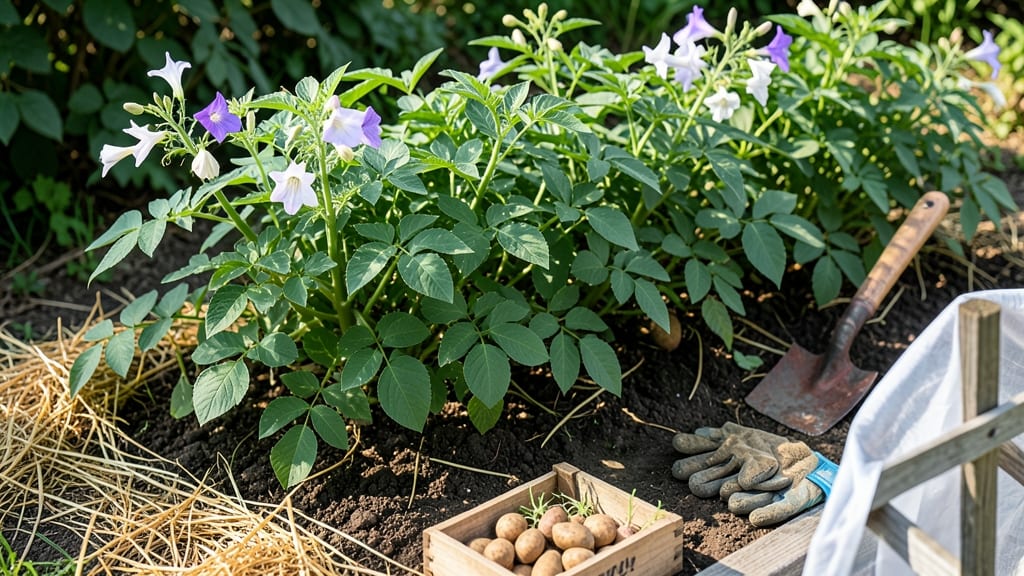
Planting potatoes in Oregon isn’t just about tossing seed potatoes into the dirt—it’s a high-stakes game of timing that can make or break your harvest. With USDA zones 7b-9a and microclimates ranging from coastal fog to high-desert heat, getting the dates wrong means frost damage or blight.
The key? Planting 4-6 weeks before your last frost date, whether that’s early March in Medford or late April in Portland.
Most Oregon gardeners swear by late winter to early spring planting for early varieties, but the real secret lies in adjusting for your specific zone. Coastal areas like Astoria need patience—wait for soil temps to hit 45°F—while inland spots like Bend can start earlier.
Skip the guesswork and use Oregon’s frost-free deadlines to lock in the perfect window.
Here’s what you’ll discover: the exact planting calendar for your zone, how to prep seed potatoes for faster growth, and why spacing matters in Oregon’s humid summers.
Whether you’re a first-timer or a seasoned gardener, these tips will help you avoid the 5 biggest planting mistakes that waste crops every year.
Ready to dig in? Let’s break down the science—and the shortcuts—so your 🥔 potatoes thrive from seed to harvest, no matter where you garden in Oregon.
Oregon potato planting calendar by USDA Zone (with frost-free deadlines)
Oregon’s USDA Zones 4-9 create a patchwork of potato-growing opportunities, but timing is everything. Coastal areas like Astoria (Zone 8b) face late frosts until May 10th, while high-desert regions like Bend (Zone 6b) can plant as early as February 20th.
The key? Plant when soil reaches 45°F (7°C)—cold soil slows sprouting, and warm soil speeds up growth. Here’s your zone-by-zone breakdown to avoid frost damage and blight risks.
For early varieties like Yukon Gold or Red Pontiac, start 4-6 weeks before last frost. For maincrop varieties like Russet or Kennebec, wait until 2 weeks after last frost to avoid rot.
Oregon’s Willamette Valley (Zone 7b-8a) typically sees last frosts around April 15th, while coastal regions like Cannon Beach (Zone 8b) can delay planting until May 1st to play it safe.
Soil temperature is your best predictor. Use a soil thermometer to confirm 45°F (7°C) at 4-inch depth—cold soil = stalled growth. In Zone 9a (Medford), where winters are mild, you can plant as early as February 15th for a spring harvest, but late blight becomes a bigger threat. Mulch with straw or grass clippings to stabilize soil temps and retain moisture.
| USDA Zone | Last Frost Date | Ideal Planting Window | Soil Temp Requirement | Notes |
|---|---|---|---|---|
| Zone 4 (Eastern OR) | May 1-15 | April 15-May 1 | 45°F (7°C) | Use early varieties; risk of late frost. |
| Zone 5 (Central OR) | April 20-May 5 | March 20-April 15 | 45°F (7°C) | Chit seed potatoes 4-6 weeks before planting. |
| Zone 6 (Bend, Sisters) | April 10-20 | February 20-March 15 | 45°F (7°C) | High-desert areas: plant early for summer harvest. |
| Zone 7 (Portland, Salem) | April 15-25 | March 1-March 30 | 45°F (7°C) | Willamette Valley: avoid planting after April 15. |
| Zone 8 (Coastal OR) | May 1-10 | April 15-May 1 | 50°F (10°C) | Coastal fog delays planting; use row covers. |
| Zone 9 (Medford, Southern OR) | March 20-April 5 | February 15-March 15 | 50°F (10°C) | Mild winters; watch for blight in summer. |
If you’re in Zone 6 or higher, consider fall planting for a late harvest. Plant seed potatoes in late August (when soil temps drop below 80°F (27°C)) for a winter crop.
This works best in high-desert areas like Burns or La Pine, where frosts arrive earlier. Just be ready to harvest before first frost—typically by October 15th in most zones.
For coastal gardeners, extend your season with black plastic mulch or floating row covers. These raise soil temps by 5-10°F and protect against coastal fog, which can delay planting until May 1st.
Inland areas like Pendleton (Zone 6b) can plant 2 weeks earlier thanks to warmer, drier conditions. Always test soil moisture—Oregon’s spring rains can waterlog soil, leading to rot.
Pro tip: Chit your seed potatoes (sprout them indoors) 4-6 weeks before planting. This gives you
How to adjust planting dates for Oregon’s microclimates (coastal vs. Willamette Valley vs. high desert)
Oregon’s microclimates create wildly different potato-growing conditions. The coastal regions near Astoria experience persistent fog delays, while the High Desert around Bend can bake seed potatoes before they sprout. Even the Willamette Valley—where most gardeners live—has urban heat islands that push planting dates earlier than rural areas.
Understanding these variations lets you avoid frost damage or blight losses.
Your last frost date is the starting point, but Oregon’s elevation shifts can add 2–4 weeks to your planting window. For example, Medford’s March 20 last-frost date becomes April 10 in Bend at 3,500 feet.
Meanwhile, coastal gardeners in Cannon Beach often wait until mid-April to plant, when fog lifts long enough for soil to warm. These adjustments aren’t just about timing—they’re about survival.
Microclimate Planting Adjustments for Oregon Potatoes
Coastal (Astoria, Cannon Beach)
- ✅ Pros: Longer growing season
- ✅ Pros: Lower blight risk
- ❌ Cons: Fog delays soil warming
- ❌ Cons: Late planting increases blight exposure
Adjustment: Plant 2–3 weeks later than Willamette Valley. Use early-maturing varieties like 'Yukon Gold' or 'Red LaSoda'.
Willamette Valley (Portland, Salem)
- ✅ Pros: Reliable last frost dates
- ✅ Pros: Balanced rainfall and sun
- ❌ Cons: Urban heat islands push early planting
- ❌ Cons: Blight risk peaks in July
Adjustment: Plant 4–6 weeks before last frost (typically mid-March). Avoid late May planting—blight thrives in wet summers.
High Desert (Bend, La Pine)
- ✅ Pros: Longer daylight speeds growth
- ✅ Pros: Lower humidity reduces blight
- ❌ Cons: Fast soil warming risks early sprouting
- ❌ Cons: Dry heat demands irrigation
Adjustment: Plant 1–2 weeks earlier than Valley dates. Use heat-tolerant varieties like 'Kennebec' or 'Russet Burbank'. Mulch heavily to retain moisture.
Elevation is your secret weapon for fine-tuning dates. For every 1,000 feet gain in altitude, push planting back by 3–5 days. This accounts for cooler soils and shorter growing seasons.
For example, if your neighbor in Hillsboro plants on March 20, wait until March 25 if you’re at 2,000 feet in the Cascade foothills. Track your local soil temperature—potatoes need 45°F to sprout consistently.
Urban gardeners face an unexpected challenge: heat islands in cities like Portland can warm soil 5–10°F warmer than rural areas. This tricks potatoes into sprouting too early, only to be fried by late frosts.
Solution? Plant 1–2 weeks later than suburban guides suggest, or use black plastic mulch to delay soil warming. Monitor your microclimate with a soil thermometer—it’s your early-warning system.
Pro tip: Chit your seed potatoes (sprout them indoors) to buy 10–14 days of flexibility. This lets you plant closer to your ideal soil temperature rather than rushing based on calendar dates. For coastal gardeners, chitting is almost mandatory—it compensates for foggy delays.
In the High Desert, skip chitting unless you’re planting very early, as the extra sprouts can desiccate in dry air.
Test your microclimate’s readiness with this 3-step checklist: 1. Soil temp hits 45°F at 6-inch depth (use a thermometer). 2. Frost risk drops below 10% for your area (check NOAA or Almanac).
3. Day length exceeds 12 hours (critical for tuber formation). If all three pass, it’s go time—but adjust by ±1 week based on your specific zone. 🥔