
Plants
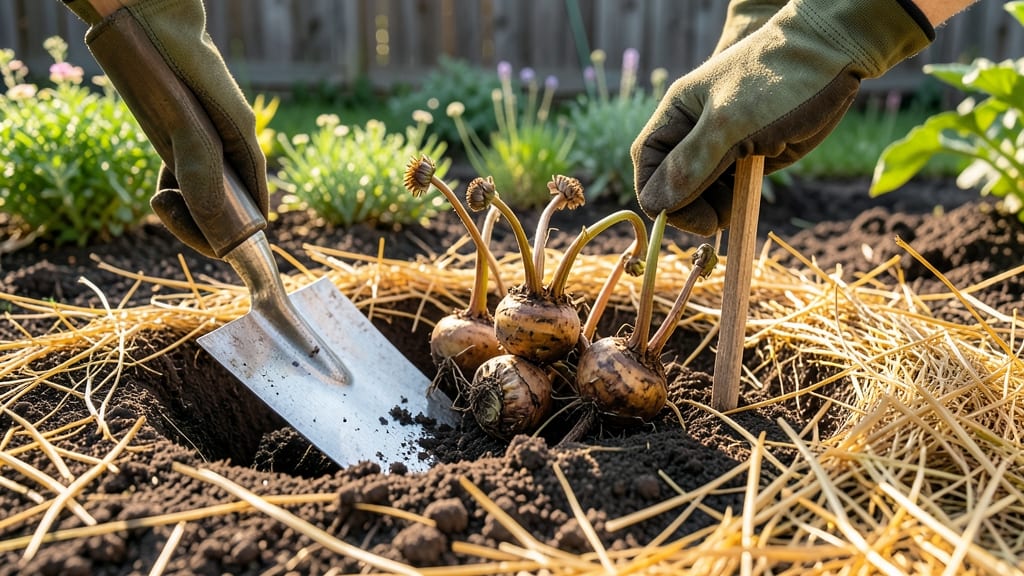
Planting dahlias in Georgia at the wrong time means missing out on those showstopping blooms—🌸 or worse, watching frost turn your tubers to mush before they even sprout.
The key to success lies in waiting until the soil warms to 60°F and the last frost date has passed, typically between mid-April and mid-May in USDA Zones 7a/7b.
I’ve learned the hard way that rushing dahlias into cold soil stunts their growth, while planting too late cuts short their blooming season. Whether you’re starting tubers indoors or setting them directly in the ground, timing matters more than you might think—especially in Georgia’s unpredictable spring weather.
What you’ll discover here are the exact frost-free windows for your region, plus pro tips for prepping soil and choosing heat-tolerant varieties that thrive in Georgia’s humidity. Let’s get those dahlias in the ground at the perfect moment for a summer full of color.
From Atlanta’s cooler nights to Savannah’s earlier warm-ups, I’ll break down how to adjust your planting schedule for maximum success. Ready to turn your garden into a dahlia paradise? Let’s dive in.
Georgia’s ideal dahlias planting timeline by USDA Zone 7a/7b
Georgia’s USDA Zones 7a and 7b offer perfect conditions for dahlias, but timing is critical to avoid frost damage or stunted growth. The last average frost date in Atlanta (Zone 7b) typically falls around March 15, while Savannah (Zone 7a) sees frost slightly later—around March 20.
Dahlias thrive when soil temperatures reach 55–60°F, usually by mid-April, but heatwaves can push this earlier or later.
For tuber planting, start 4–6 weeks before your last frost date to give roots time to establish. In Zone 7a, this means mid-February indoors, while Zone 7b gardeners can begin late February.
Potted dahlias, however, are more flexible and can go into the ground 2–3 weeks after the last frost date, typically by April 15–May 1.
Here’s your frost-free planting timeline for Georgia, broken down by zone and method:
In Zone 7a, where frosts linger slightly longer, prioritize soil warming before planting. Use black plastic mulch or a cloche to raise soil temperatures faster. For Zone 7b, where heat arrives earlier, focus on gradual hardening of seedlings to prevent shock when transitioning outdoors.
If you’re planting tubers directly outdoors, wait until mid-May in Zone 7a or late April in Zone 7b to minimize frost risk.
Bury tubers 4–6 inches deep, with the eyes facing upward, and space them 12–18 inches apart for dwarf varieties or 24–36 inches for standard types like ‘Bishop’ or ‘Café au Lait’.
Georgia’s humid summers demand extra care after planting. Once dahlias emerge, mulch heavily with straw or pine needles to retain moisture and prevent fungal diseases. Water deeply at the base in the morning to avoid wetting foliage, which can attract slugs and powdery mildew—common issues in Georgia’s climate.
Pro tip: Mark your planting dates on a calendar and set reminders for fertilizing every 4–6 weeks with a balanced 5-10-10 fertilizer. Dahlias in Georgia reward patience with continuous blooms from July through October, making the effort well worth it!
For container gardeners, potted dahlias can be planted 2–3 weeks later than tubers, as their roots are already established. Choose containers with at least 12-inch depth and place them in full sun, rotating pots weekly to ensure even growth.
Remember: Heatwaves in June can stress dahlias, so monitor soil moisture closely. If temperatures exceed 90°F
5 Critical factors that determine dahlias’ success in Georgia
Georgia’s climate—with its humid summers and unpredictable spring frost—can make or break your dahlias. The difference between thriving blooms and wilted tubers often comes down to five key factors. First, last frost dates vary wildly between Atlanta’s USDA Zone 7a (average frost: April 15) and Savannah’s Zone 8a (March 20).
Planting too soon in Atlanta risks frost damage, while waiting too late in Savannah may shorten your bloom season.
Next, soil drainage is non-negotiable. Dahlias hate soggy roots, and Georgia’s clay-heavy soils can trap moisture. Amending with compost or perlite creates the loose, well-draining medium they crave. I’ve seen dahlias in raised beds thrive where in-ground plantings struggled—proof that elevated roots prevent rot in our humid summers.
Here’s what you must prioritize for dahlias in Georgia:
- 📅 Plant after last frost—Atlanta (April 15), Savannah (March 20). Use soil thermometers to confirm 60°F+ temperatures.
- 💧 Mulch heavily (3–4 inches) with straw or pine needles to retain moisture and regulate soil temps in Georgia’s heat.
- 🌱 Choose heat-tolerant varieties like ‘Café au Lait’ (pink) or ‘Bishop’ (red), which handle Georgia’s 90°F+ summers better than delicate types.
- ⚡ Stake or cage all varieties—Georgia’s humidity causes floppy stems. Use 5-foot cages for tall types like ‘Thomas Edison.’
- 🌡️ Monitor for fungal diseases (e.g., powdery mildew). Space plants 12–18 inches apart for airflow and water at soil level to avoid leaf wetness.
Don’t overlook mulching strategies—this is where many Georgia gardeners drop the ball. A thick layer of organic mulch (like shredded leaves or pine straw) keeps roots cool in summer and prevents weeds from competing.
I’ve had dahlias in 100°F heat stay hydrated for weeks thanks to mulch alone. Pair this with drip irrigation to avoid wetting foliage, which invites fungal infections.
Finally, variety selection makes all the difference. Georgia’s heat and humidity favor heat-tolerant dahlias with thick stems. ‘Café au Lait’ and ‘Bishop’ are my top picks—they bloom nonstop from July to frost with minimal fuss.
Avoid delicate dinnerplate types unless you’re willing to baby them with shade cloth during peak summer.
By nailing these five factors—timing, drainage, mulching, staking, and variety—you’ll transform your Georgia garden into a dahlia powerhouse, with blooms that outshine even the hottest summer days. 🌸