
Plants
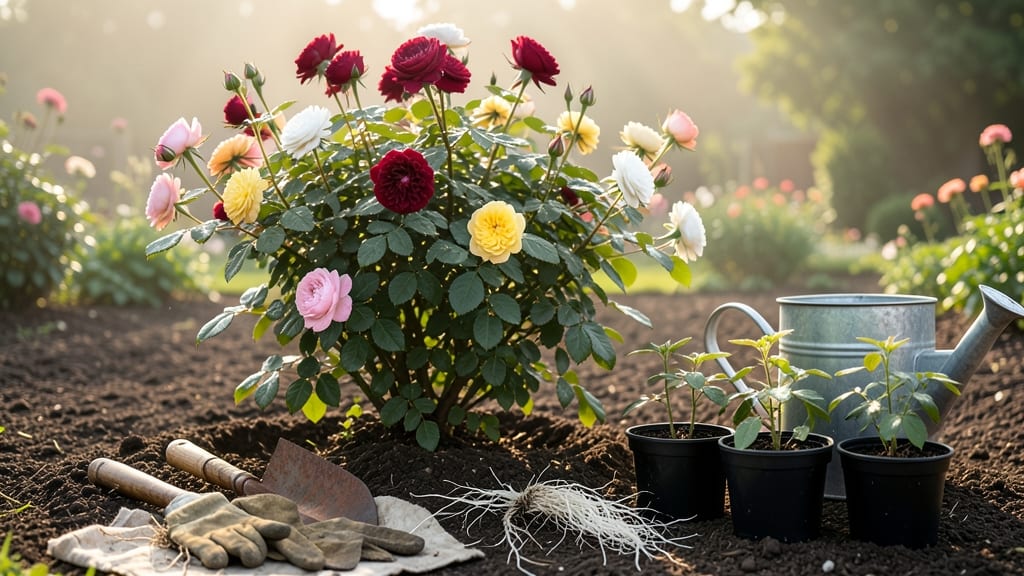
Planting roses in Texas isn’t just about grabbing a 🌹 and sticking it in the ground—it’s about beating the heat and dodging frost deadlines that can turn your dream garden into a sad, wilted memory.
With USDA zones 8a-10b and temperatures that swing from freezing to 100°F in months, timing matters more than you might think.
Most gardeners in Texas swear by fall planting (October-November) because cooler soil and established roots give roses a fighting chance before summer’s brutal arrival. But if you’re in South Texas, where frost is rare, early spring (February-March) can also work—just avoid the hottest months when roots struggle to take hold.
Here’s the game-changer: whether you’re planting bare-root roses or container-grown varieties, the key is soil temperature and frost risk. I’ll break down the exact windows for North, Central, and South Texas so you can plant with confidence—and skip the guesswork that leads to failed blooms.
Ready to turn your Texas yard into a year-round rose paradise? Let’s dive into the deadlines, soil prep secrets, and heat-resistant varieties that thrive where others fail.
Texas rose planting deadlines by heat zone: avoid frost and heat stress
Texas’s diverse climate zones mean your rose planting timeline depends heavily on where you live. From North Texas’s chilly winters to South Texas’s mild winters, each region has distinct frost dates and soil temperature thresholds.
Planting at the wrong time can lead to frost damage or heat stress, so let’s break it down by zone.
For North Texas (USDA Zones 7b-8a), the last frost typically occurs around February 15, while the first frost arrives in early December. In Central Texas (Zones 8a-8b), you’ll have a slightly longer window, with frosts rare before November 15 or after February 1.
Meanwhile, South Texas (Zones 9a-10b) enjoys frost-free winters, allowing for more flexibility.
Soil temperature is another critical factor—roses thrive when soil is above 60°F. In colder zones, wait until soil warms in late February or March. In warmer zones, you can plant as early as January or even late December for container-grown roses.
Here’s a quick reference for bare-root vs. container-grown roses:
Now, let’s dive into the optimal planting windows for each Texas region, including what to avoid to keep your roses thriving.
| Region | USDA Zone | Best Planting Time | Acceptable Planting Time | Risky Planting Time | Key Considerations |
|---|---|---|---|---|---|
| North Texas | 7b-8a | Late October to November (fall) or February to early March (spring) | September (late) or December (early) | January (frost risk) or April (heat stress) | Soil temp 60°F+; avoid first frost (Dec 1). |
| Central Texas | 8a-8b | October to November (fall) or February to March (spring) | September (late) or January (mild) | April (heat stress) or December (light frost risk) | Soil temp 55°F+; partial shade in summer helps. |
| South Texas | 9a-10b | October to December (fall) or February (spring) | January to March (mild winters) | April to May (extreme heat) | Soil temp 65°F+; drought tolerance critical. |
In North Texas, the fall window (October-November) is ideal because roses establish roots before winter dormancy. If you plant in spring (February-March), ensure the soil has warmed to 60°F to prevent root rot. Avoid planting in January—frost can kill tender new growth.
For Central Texas, the fall planting (October-November) is still best, but you have a slightly longer spring window (February-March) due to milder winters.
If you’re in Zone 8b, you might even get away with planting in early January for container-grown roses, provided you protect them with frost cloth.
In South Texas, where winters are nearly frost-free, you can plant year-round, but fall (October-December) and early spring (February) are still the safest bets. The key here is avoiding summer heat—planting in April or May can stress young roses, leading to heat shock or pest issues.
Pro tip: If you’re planting
How to prepare rose beds in Texas for year-round success
Texas’s alkaline soil and extreme heat demand special prep to give roses the best start. The key is amending soil, mulching deeply, and watering strategically—all while protecting young plants from sudden temperature swings. With the right approach, your roses can thrive even in 100°F+ summers.
First, test your soil pH—Texas clay often runs 7.5-8.5, which is too alkaline for roses. Aim for 6.0-6.5 by mixing in 2-3 inches of compost or peat moss into the top 12 inches of soil. For heavy clay, add sand or perlite to improve drainage.
- 🌱 Step 1: Soil Amendment
Dig a hole twice as wide as the root ball. Mix 50% native soil with 50% compost and a handful of Epsom salt (for magnesium). - 💧 Step 2: Water Before Planting
Soak the hole 24 hours before planting to settle the soil. Add 1 gallon of water to the hole, then let it drain. - 🪴 Step 3: Planting Depth
Place the rose so the graft union sits 2-3 inches above soil level. Fill the hole, tamping soil gently to remove air pockets. - ☀️ Step 4: Mulch Heavily
Apply 3-4 inches of organic mulch (pine straw or wood chips) around the base, keeping it 6 inches from the stem. - 💧 Step 5: Watering Schedule
Water deeply 2-3 times per week for the first month, then taper to weekly deep soakings once established.
For year-round success, choose drought-resistant varieties like 'Knock Out' roses or 'Belinda’s Dream', which handle Texas heat better than traditional hybrids. After planting, install a lightweight row cover if nighttime temps drop below 40°F to shield new growth.
In summer months, shade cloth (30-50%) can protect roses from intense afternoon sun. Water at the base of the plant in the early morning to prevent fungal diseases. Avoid wetting leaves, especially during humid heat waves.
Finally, prune lightly in late winter to remove dead wood, and fertilize in early spring with a balanced rose food (10-10-10). With these steps, your roses will bloom beautifully through Texas’s harshest seasons.
🌹