
Plants
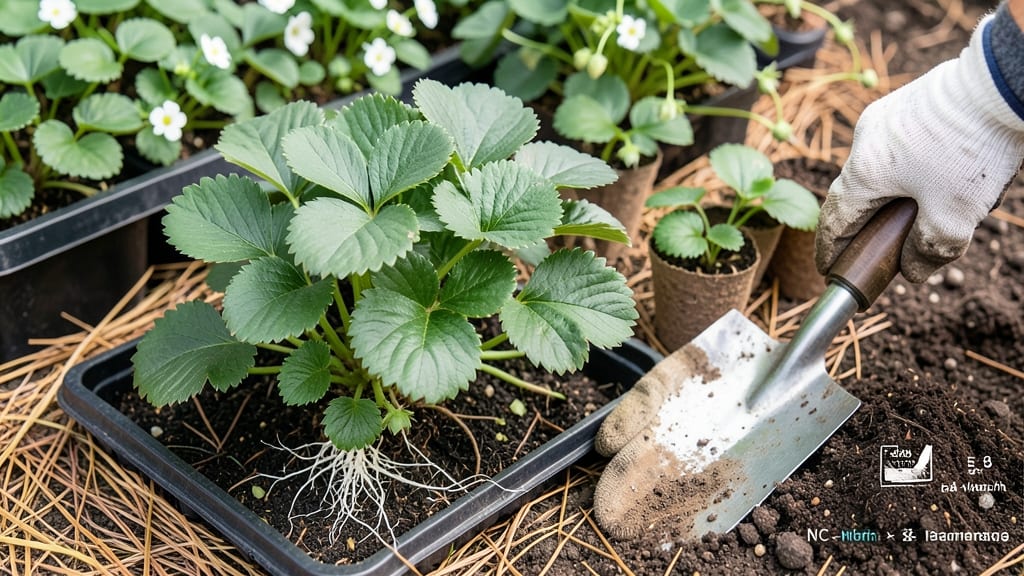
Planting strawberries in North Carolina at the wrong time can turn your sweet harvest into a bitter disappointment—because timing is everything for juicy, plump 🍓 berries.
Whether you're a seasoned gardener or just starting, knowing the best months to plant (and which varieties thrive in your zone) makes all the difference.
In zones 7a-8b, the ideal windows are early spring (February-March) or late summer (July-August), but the key is avoiding bolting—when plants flower too soon. I’ll show you how to pick the perfect moment for your garden, whether you’re planting bare-root crowns or potted varieties.
North Carolina’s climate can be tricky, but with the right strategy, you’ll get a bountiful harvest in May-June (spring planting) or October-November (summer planting). Let’s dive into the best practices to ensure your strawberries grow strong and sweet all season.
From soil prep to variety selection, I’ll cover everything you need to know for zero-bolt success. Ready to turn your garden into a strawberry paradise? Let’s get started.
North Carolina strawberry planting calendar by variety: months to plant for maximum yield
North Carolina's mild winters and humid summers create perfect conditions for strawberries—but timing is everything. Plant too early, and you risk premature bolting (flowering before harvest). Plant too late, and your yield suffers. The key? Matching your strawberry variety to NC's two planting windows: early spring and late summer.
NC's USDA Zones 7a-8b mean gardeners can grow June-bearing, everbearing, and day-neutral varieties. Each type thrives in different windows. For example, June-bearing varieties need cold stratification (a winter chill period), while day-neutral types produce fruit continuously if planted at the right time.
Here's your NC-specific planting calendar broken down by variety, including early, mid, and late-season options to extend your harvest. Use this guide to avoid wasted energy and maximize your berry production.
| Variety Type | Ideal Planting Window | NC-Specific Notes | Harvest Time |
|---|---|---|---|
| June-Bearing | Early Spring: February 15 - March 15 | Needs 600+ chill hours. Plant bare-root types for best NC results. Avoid late March planting—risk of bolting increases. | Late May - Early June |
| June-Bearing | Late Summer: July 1 - July 15 | Second harvest in fall (October-November). Use day-neutral varieties if you want overlapping harvests. | October - November |
| Everbearing | Early Spring: February 20 - March 30 | Produces two harvests: spring and fall. Plant potted varieties for flexibility in NC's variable spring weather. | June + October |
| Day-Neutral | Late Spring: March 20 - April 15 OR Late Summer: July 15 - August 15 | Continuous harvest from late spring to frost. Best for NC's long growing season. Plant in containers for urban gardens. | June - October |
| All Varieties | Avoid planting after April 15 (spring) or before July 1 (summer) | NC's humidity increases disease risk. Use straw mulch to prevent rot and space plants 18" apart for airflow. | N/A |
For June-bearing varieties like Chandler or Allstar, stick to the February-March window. These need chill hours to set fruit, and planting later risks bolting before berries mature. Pro tip: Soak bare-root plants for 2-3 hours before planting to reduce transplant shock in NC's variable spring rains.
Everbearing varieties such as Ozark Beauty or Seascape offer two harvests if planted in late February. The first flush comes in June, and a second (smaller) harvest appears in October. To extend this, plant a second batch in early July for a fall harvest before frost hits.
Day-neutral varieties like Albion or Tristar are NC gardeners' secret weapon. They produce fruit continuously from late spring to frost, making them ideal for container gardens or urban balconies. Plant these in late March for a June harvest or mid-July for a fall bounty.
NC's humid summers
How to avoid bolting in NC: pro tips for zero-flower success before harvest
North Carolina's warm winters and long growing season can trick strawberry plants into bolting—that dreaded rush to flower before they've built enough energy for fruit.
In my USDA Zone 7b garden, I've learned that timing, soil prep, and a few clever tricks can keep your plants focused on leafy growth instead of premature blooms. The key is understanding when your plants are most vulnerable and how to manipulate their environment.
Bolting typically occurs when strawberries sense rising soil temperatures or day length changes too early. For June-bearing varieties, this means avoiding planting in late winter when nights are still chilly but days are lengthening.
Everbearing types are trickier—they'll bolt if stressed by heat or drought during their critical growth phase (usually April-May). The solution? Strategic planting, shade management, and variety selection.
Soil temps above 70°F + 12+ hours daylight = bolting risk. In NC's Piedmont region, this happens as early as late February for early varieties. Use shade cloth (30-50%) during March-April to delay flowering by 2-3 weeks. For mountain areas (Zone 6), wait until mid-March to plant June-bearers.
My go-to method for preventing bolting is soil temperature control. Before planting, I always check soil temps with a soil thermometer—ideal planting temps for NC should be between 45-60°F. If your soil is warmer, delay planting or use black plastic mulch to keep roots cool.
For everbearing varieties, I plant in July-August when soil temps have cooled slightly after summer's peak. This two-week delay often prevents that first flush of flowers.
For container-grown strawberries, I swear by shade cloth techniques. After planting, I drape 30% shade cloth over the beds during March-April to reduce light exposure by 30-40%. This simple trick delays flowering by 10-14 days while still allowing enough light for photosynthesis.
Remove the cloth in late April once night temps stay above 50°F consistently. Pro tip: Use white shade cloth—it reflects more heat than black.
Variety selection makes a huge difference in bolting resistance. In my NC garden, day-neutral varieties like 'Albion' and 'Seascape' handle our hot summers better than June-bearers, producing fruit over 6-8 weeks instead of one big flush.
For June-bearers, I opt for Chandler or Camarosa, which are bred for bolting resistance in warm climates. If you're growing everbearing types, look for Ozark Beauty—it's the most heat-tolerant I've found.
Watering strategies also play a crucial role. Inconsistent moisture stresses plants and triggers bolting. I water my strawberries deeply every morning using drip irrigation set to deliver 1-1.5 inches per week. During peak bolting season (March-April), I increase frequency to every other day to prevent drought stress.
Mulching with straw or pine needles helps maintain even moisture and keeps roots cool—two major bolting triggers.
Finally, don't underestimate the power of pruning. If you catch your plants sending up flower stalks too early, snip them off at the base. Yes, it's heartbreaking to remove potential blooms, but it forces the plant to redirect energy to leaf and root growth.
I do this weekly in March until night temps stabilize above 55°F. For everbearing varieties, I remove the first 20-30% of flowers to encourage stronger subsequent harvests.