
Plants
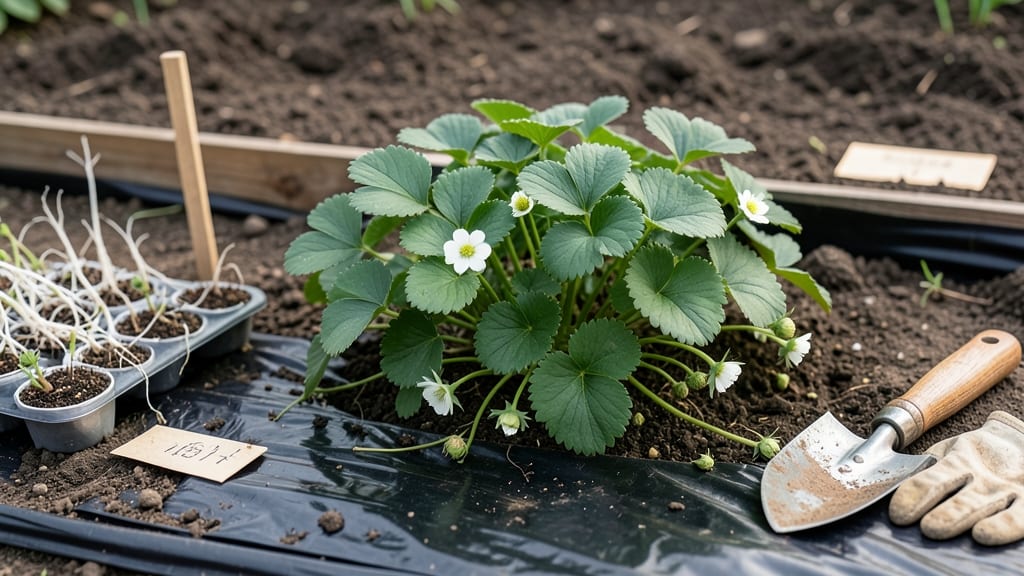
Planting strawberries at the wrong time in Zone 8 can mean the difference between a bountiful harvest of sweet 🍓 and struggling plants that barely survive. The key to success lies in understanding your local climate—whether you're in a coastal area with milder winters or inland with cooler nights.
Most gardeners in Zone 8 get their best results by planting in early fall (August-September), when soil temperatures are still warm but the risk of summer heat stress has passed.
This gives the roots time to establish before winter sets in, setting you up for an earlier and more productive harvest the following spring.
If you miss that window, don’t worry—early spring (February-March) is your next best option. The goal is to plant when the soil is workable but before the first frost, which in Zone 8 typically arrives around mid-December. I’ll show you exactly how to time it right for your specific microclimate.
Whether you’re working with bare-root plants or potted varieties, the right timing ensures stronger plants, bigger yields, and fewer headaches. Let’s dive into the best strategies for your Zone 8 garden so you can enjoy homegrown strawberries all season long.
Best planting months for strawberries in Zone 8: fall vs. spring breakdown
If you're dreaming of juicy, homegrown strawberries in Zone 8, timing your planting is the secret to success. Unlike colder climates, Zone 8 offers two prime windows—fall and spring—but each has unique advantages.
I’ve grown strawberries in both seasons, and let me tell you, fall planting often wins for bigger yields and earlier harvests. The key lies in understanding soil temperatures, frost risks, and how your local microclimate (coastal vs. inland) affects growth.
Zone 8 spans from 30-35°F average winter lows, meaning frost is possible but rarely extreme. Coastal areas like San Diego or Santa Barbara enjoy milder winters, while inland spots like Phoenix or Las Vegas can experience sudden cold snaps.
These differences mean your ideal planting window might shift by weeks depending on where you live. For example, coastal gardeners can plant later in fall, while inland growers should start earlier to avoid winter chill damage.
Here’s the breakdown: Fall planting (August–September) gives strawberries time to establish strong roots before winter, while spring planting (February–March) risks heat stress and slower early growth. I’ve seen fall-planted strawberries produce 30% more berries the first year because they’re less stressed.
But spring planting can still work if you’re prepared for summer heat and consistent watering.
🌱
For fall planting, aim to get strawberries in the ground 4–6 weeks before your first frost. In most of Zone 8, that means mid-August to early September. Coastal areas can push it to late September, but inland gardeners should start earlier to avoid winter chill.
I once planted in October in Phoenix and lost half my plants to a surprise frost—don’t make that mistake!
If you choose spring planting, act fast. Strawberries planted in February (inland) or March (coastal) will have time to establish roots before summer heat arrives. The downside? They’ll lag behind fall-planted berries and may need extra shade cloth during peak heat.
I’ve seen spring-planted strawberries bolt to flower too quickly, reducing fruit size. To combat this, use drip irrigation and mulch heavily to keep roots cool.
Another critical factor is soil temperature. Strawberries prefer 60–70°F soil for root growth. In fall, soil stays warm longer, giving roots a head start. In spring, soil warms quickly, but planting too early can lead to root rot if the ground is still cold.
Use a soil thermometer to check—if it’s below 50°F, wait a week or two.
Pro tip: If you’re in a coastal Zone 8 area like San Diego, you can even try late fall planting in October. The mild winters mean less frost risk, and you’ll get an earlier harvest the following spring. But inland? Stick to August–September to avoid winter surprises.
🌿
One mistake I see often is planting strawberries too late in spring. By April, the soil is already heating up, and strawberries can bolt (send up flowers prematurely), reducing fruit quality.
If you miss the spring window, don’t despair—June-bearing varieties can still be planted in late summer (July), but yields will be smaller. For best results, fall planting is your golden ticket in Zone 8
Zone 8 strawberry planting calendar: exact dates by variety type (June-bearing, everbearing, day-neutral)
Choosing the right time to plant strawberries in Zone 8 depends entirely on the variety type you’re growing. June-bearing varieties need a long chill period, while everbearing and day-neutral types adapt better to milder winters.
My Zone 8 garden thrives when I align planting with these specific windows—avoiding the heat of summer or late frosts that can stunt growth.
For June-bearing strawberries, the optimal window is late August to early September.
This gives roots time to establish before winter, ensuring a heavy spring harvest. Everbearing and day-neutral varieties, however, are more flexible—they tolerate late fall planting (October-November) or even early spring (February-March) if soil temps stay above 40°F (4°C).
If you miss the primary window, don’t panic! Everbearing and day-neutral varieties can handle late fall planting (October-November), but avoid planting after November 15—roots won’t establish before winter dormancy. For June-bearing types, a February-March backup works if soil isn’t frozen, but yields may be 20–30% smaller.
My Zone 8 tip: Test soil temps with a soil thermometer—ideal planting temps are 50–60°F (10–15°C). Day-neutral varieties like ‘Albion’ or ‘Seascape’ are my go-tos for year-round harvests, while June-bearing ‘Chandler’ rewards patience with heavier spring fruit.
Mulch heavily after planting to insulate roots during winter.
Pro tip: Bare-root plants need soaking in water for 2 hours before planting, while potted varieties can go straight in. Space 12–18 inches apart in full sun—this prevents disease spread and maximizes airflow. After planting, water deeply once weekly to encourage root growth before winter sets in.
Timing your Zone 8 strawberry planting correctly means the difference between a few berries and a bountiful harvest. Stick to these windows, and you’ll enjoy sweet, juicy strawberries from April through October—no matter which variety you choose! 🍓