
Plants
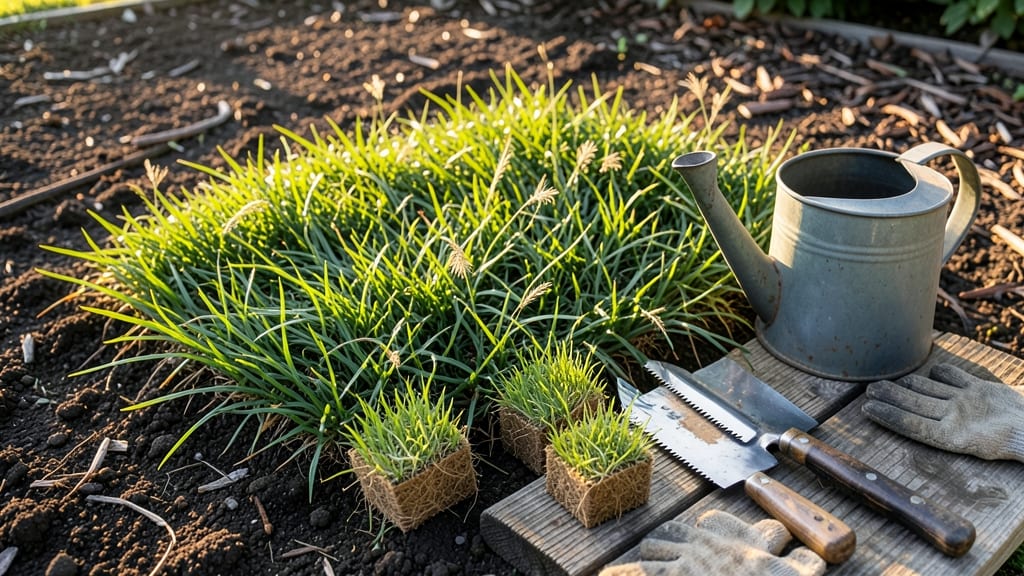
Planting Summer Grass (Bermudagrass) 🌱 in Arizona isn’t just about timing—it’s about beating the heat before it beats your lawn. If you wait too long, your grass could struggle to take root, leaving you with patchy growth or even failure during the peak summer months.
Most Arizona gardeners know the late April to early June window is ideal, but why? It’s all about soil temperatures and monsoon prep. Planting too early risks frost damage, while waiting too late means your grass will fight through extreme heat before establishing strong roots.
In this guide, I’ll break down the fastest way to get your Summer Grass thriving—from soil prep to watering schedules—so you can enjoy a lush lawn by monsoon season. Let’s make sure your grass grows strong and green, not stressed and brown.
Whether you’re overseeding or starting fresh, these tips will help you avoid common mistakes and get the best results in Arizona’s unique climate. Ready to transform your yard?
Optimal planting months for summer grass in Arizona’s climate zones
Arizona’s diverse microclimates create unique challenges for summer grass planting. The Valley of the Sun (Phoenix) and Tucson experience extreme heat, while Flagstaff’s cooler high-desert climate offers a slightly extended window.
Timing your planting to align with monsoon moisture and soil temperature thresholds ensures strong root establishment before summer’s peak heat. Let’s break down the ideal windows for each region.
For Phoenix and surrounding areas, the perfect planting window is between late April and early May. This timing allows seeds to germinate before the 100°F+ temperatures of June and July.
In Tucson, slightly cooler nights extend the window to mid-May, while Flagstaff’s cooler climate permits planting until early June. These windows maximize root growth before the monsoon rains begin in mid-July.
Soil temperature is the critical factor for successful germination. Summer grass seeds need soil temperatures of at least 65°F to sprout effectively. In Phoenix, soil typically hits this threshold by mid-April, while Tucson reaches it 1-2 weeks later.
Use a soil thermometer to confirm readiness—planting too early in cool soil can lead to slow germination or seed rot.
Monsoon season brings unpredictable rainfall, which can wash out newly planted seeds. Aim to have your grass well-established (3-4 inches tall) before the first major monsoon storms in July.
This means starting in April or May for Phoenix and Tucson, or May for Flagstaff. Proper irrigation scheduling is key—keep soil consistently moist but avoid waterlogging.
Here’s a side-by-side comparison of planting windows, soil conditions, and monsoon alignment for Arizona’s key regions:
If you miss the ideal window, don’t despair—June planting is still viable in cooler regions like Flagstaff, but expect slower establishment. In Phoenix, June planting risks heat stress and requires extra shade during the hottest afternoons.
For Bermudagrass or Zoysia, which are popular in Arizona, June planting can work if you use shade cloth until roots establish.
Preparing your lawn for planting involves more than just timing. Aerate compacted soil in early spring to improve moisture retention, and test your soil’s pH level—Arizona soils are often alkaline (7.5-8.5), which can hinder grass growth.
Amend with sulfur or peat moss if needed to bring pH to the ideal range of 6.0-7.0. Clear any existing winter grass (like ryegrass) by applying a pre-emergent herbicide in late winter to prevent competition.
Post-planting care focuses on consistent moisture and gradual acclimation to full sun. Water lightly but frequently (2-3 times daily) for the first 2 weeks to keep soil moist but not soggy. Once seedlings reach 2-3 inches tall, reduce watering to every other day and gradually increase sun exposure.
Avoid fertilizing until the grass is 4-6 inches tall—too much nitrogen early can burn tender new growth.
Monitor your lawn for signs of stress, like yellowing or wilting, which may indicate underwatering, overwatering, or heat stress. In Phoenix, midday shade can help during the critical first 3 weeks.
For Tucson and Flagstaff, watch for fungal diseases like brown patch, which thrive in the humid monsoon conditions. Apply a fungicide preventatively if your area has a history of these issues.
By aligning your planting with these region-specific windows and preparing your soil and care routine in advance, you’ll give your summer grass the best chance to thrive
How to prepare soil and seed for fast root establishment in Arizona heat
Arizona’s intense heat and low humidity demand careful preparation before planting summer grass. Without proper soil and seed prep, your lawn can struggle with slow germination or heat stress.
The key is to create ideal conditions where roots establish quickly—before monsoon rains arrive or temperatures peak. Let’s break down the essential steps to set your grass up for success.
First, focus on soil amendments to improve drainage and nutrient availability. Arizona’s native soil often lacks organic matter and can be alkaline or compacted. Adding compost and gypsum will loosen the soil, encourage root penetration, and provide essential nutrients.
This step is non-negotiable—skipping it means your grass will fight for resources instead of thriving.
Next, select heat-tolerant grass varieties like Bermuda or Zoysia, which are bred to handle Arizona’s climate. These grasses establish roots faster in high temperatures and require less water once mature.
Pair your seed choice with a pre-emergent herbicide if weeds are a concern, but apply it at least 2 weeks before planting to avoid harming the grass.
Step-by-Step Pre-Planting Checklist
- 1 Test Soil pH: Aim for 6.0-7.0. Use a soil test kit to check alkalinity—if pH is above 7.5, amend with sulfur or peat moss.
- 2 Amend Soil: Mix in 2-3 inches of compost and 1 lb of gypsum per 100 sqft to improve structure and drainage. Work amendments into the top 6 inches of soil.
- 3 Choose Seeds: Opt for Bermuda or Zoysia varieties like Tifway 419 or Zenith. These handle heat and drought better than cool-season grasses.
- 4 Irrigation Setup: Install drip irrigation or soaker hoses to deliver water directly to roots. Avoid sprinklers—they waste water and promote fungal growth in heat.
- 5 Plant at Right Time: Seed in late April to early June when soil temps are 65°F+. Avoid planting during 100°F+ heat waves—seedlings can’t survive.
- 6 Post-Planting Care: Water lightly twice daily (morning and evening) for the first 2 weeks. Once sprouted, deep-water every 2-3 days to encourage deep roots.
After planting, monitor your lawn closely for signs of stress or disease. Arizona’s sudden monsoon rains can wash out young seedlings, so consider applying a light mulch (like straw) to protect soil and retain moisture.
If you notice yellowing leaves or slow growth, it may indicate overwatering or nutrient deficiency—adjust your care routine immediately.
With these steps, your summer grass will establish strong roots within 4-6 weeks, giving it the resilience to handle Arizona’s extreme conditions. The key is consistency—don’t skip soil prep, and stick to your watering schedule. Your lawn will thank you with vibrant green growth all summer long.