
Plants
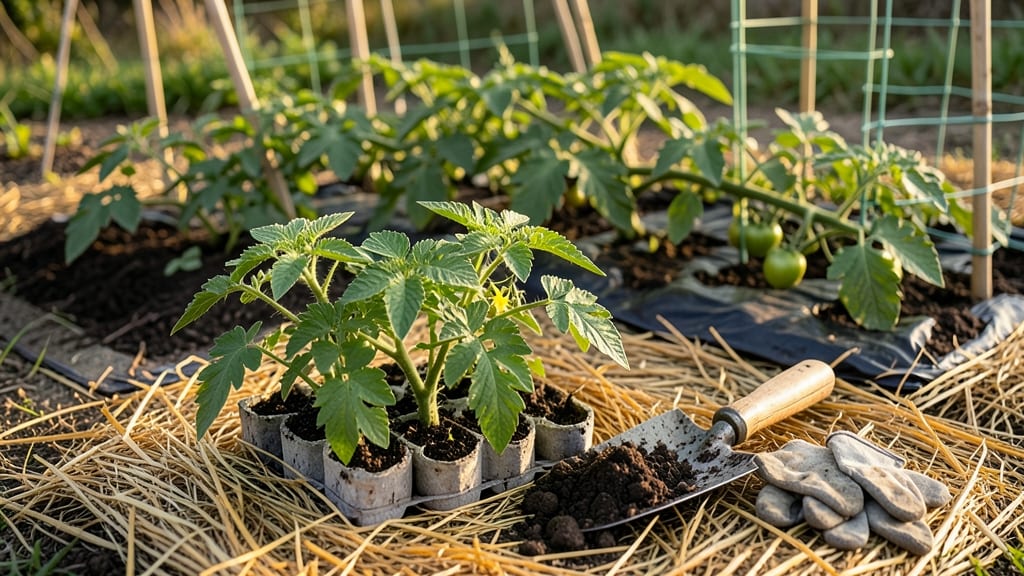
Planting your 🍅 tomatoes at the wrong time in Alabama can mean the difference between a bountiful harvest and wasted effort—because those sultry summer days demand precision timing to avoid frost damage or stunted growth.
Most gardeners in Alabama’s 7b-8b zones know the general rule: wait until after the last frost, typically mid-March to early May, but the real secret lies in soil temperature and heat zone adjustments that can shift your planting window by weeks.
Whether you’re aiming for an early spring harvest or a fall crop, understanding these nuances will help you avoid common pitfalls like transplant shock or missed growing seasons. Let’s break down the exact timing and prep work for Alabama’s climate.
From soil warming hacks to choosing the right varieties, you’ll discover how to maximize your tomato yield—without the guesswork that leaves so many gardeners frustrated every year.
Alabama’s tomato planting zones: heat zone deadlines by region
Alabama’s 8 USDA hardiness zones (6A-8A) create dramatic differences in tomato planting windows. In Zone 6A (northwest mountains), frost lingers until mid-April, while Zone 8A (southern coast) enjoys frost-free soil by mid-February.
These deadlines determine whether you’ll grow early-season varieties or focus on heat-tolerant hybrids that thrive in Alabama’s 90°F+ summers. Getting the timing right means avoiding transplant shock from cool soil or missing the 60-day harvest window before fall rains arrive.
For spring planting, aim to transplant 4-6 weeks before your last frost date—this gives seedlings time to establish roots before Alabama’s humid heat peaks. In Zone 7A/B, the most common zones, this typically means mid-March to early April for early varieties like 'Celebrity' or 'Better Boy'.
Late varieties (75+ days to maturity) can wait until late April in these zones. Meanwhile, Zone 8A gardeners can start as early as February under row covers or in greenhouses.
Don’t overlook fall planting—Alabama’s second harvest window runs from late July to early August, with 90-day varieties like 'Solar Fire' or 'Heatmaster' producing until first frost in November. This strategy extends your season by 3-4 months and avoids summer’s fungal pressures.
The key? Plant 6-8 weeks before your first frost, which in Zone 6A is mid-October and in Zone 8A stretches to early December.
| USDA Zone | Last Frost (Spring) | First Frost (Fall) | Spring Planting Window | Fall Planting Window | Heat Zone Tip |
|---|---|---|---|---|---|
| 6A (e.g., Huntsville) | Mid-April | Mid-October | Late April - Early May | Late July - Early Aug | Use row covers for early starts |
| 6B (e.g., Decatur) | Early April | Late October | Early April - Mid-April | Late July - Early Aug | Prioritize early varieties |
| 7A (e.g., Birmingham) | Mid-March | Early November | Mid-March - Early April | Late July - Mid-Aug | Perfect for dual harvests |
| 7B (e.g., Montgomery) | Late February | Mid-November | Late Feb - Mid-March | Late July - Early Aug | Heat-tolerant varieties shine |
| 8A (e.g., Mobile) | Mid-February | Early December | February - Early March | Late July - Early Aug | Longest growing season |
In Zone 6A, where frosts can linger into April, I recommend starting tomato seeds indoors in February under grow lights. Transplant only after soil warms to 60°F—use a soil thermometer to avoid stunted growth.
For Zone 8A, where winters are mild, you can plant year-round with succession planting every 2 weeks for continuous harvests. The trick? Mulch heavily to retain moisture during Alabama’s scorching summer afternoons (often exceeding 95°F).
Alabama’s humidity and heat demand disease-resistant varieties. In Zones 7A/B, where summers are hot but not extreme, focus on 'Mountain Merit' or 'Arkansas Traveler'—both tolerate blight and wilts better than heirlooms.
For Zones 6A/8A, opt for 'Heatmaster' or 'Solar Fire', bred to thrive in 90°F+ conditions. Pro tip: Prune aggressively in high-humidity zones to improve air circulation and reduce fungal spores.
Don’t let Alabama’s microclimates throw you off. Urban areas like Birmingham (Zone 7B) can be 5°F warmer than rural Montgomery (Zone 7A) due to heat islands. Adjust your planting window 1-
How to adjust planting dates for Alabama’s microclimates
Alabama’s diverse geography—from urban heat islands to cool mountain valleys—creates microclimates that can shift planting windows by weeks. A hilltop garden might be frost-free by early March, while a valley bottom could still see late frosts in April.
Understanding these variations lets you fine-tune your schedule for maximum tomato success.
For urban gardens, pavement and buildings trap heat, allowing you to plant transplants 1-2 weeks earlier than rural areas. Meanwhile, valleys and low-lying spots often hold cold air longer, requiring delayed planting. The key is adapting your strategy to your specific yard’s conditions—not just the USDA zone.
- 1 Urban Heat Islands: Plant transplants 1-2 weeks early (late February to early March) using black plastic mulch to warm soil faster.
- 2 Valley Gardens: Delay until mid-April and use cold frames or row covers to protect young plants from lingering cold snaps.
- 3 Hilltops: Start seeds indoors 6-8 weeks before last frost (by early January) for early transplanting, as wind and cooler temps slow growth.
- 4 Soil Warming Hacks: Use clear plastic tunnels or straw mulch to raise soil temps by 5-10°F, letting you plant 2 weeks sooner in cool spots.
- 5 Fall Succession: Plant heat-tolerant varieties like 'Solar Fire' in late July for a September-November harvest, extending your season by 2 months.
If you’re gardening in Birmingham’s urban core, for example, you might start transplants in late February under plastic mulch, while a mountain garden in DeKalb County could wait until mid-April.
Always check your local Alabama Extension office for last frost data, but adjust by 1-3 weeks based on your yard’s microclimate.
For late-summer succession planting, focus on heat-resistant varieties and use drip irrigation to keep roots cool. Plant transplants in early August for a harvest before the first frost. This trick lets you enjoy tomatoes well into October or November, depending on your microclimate.
Pro tip: Test your soil temperature with a soil thermometer—tomatoes need 60°F+ soil to thrive. If it’s cooler, use black plastic mulch or a mini greenhouse to create the ideal conditions.
With these adjustments, you’ll avoid frost damage and maximize your harvest, no matter where you garden in Alabama.