
Plants
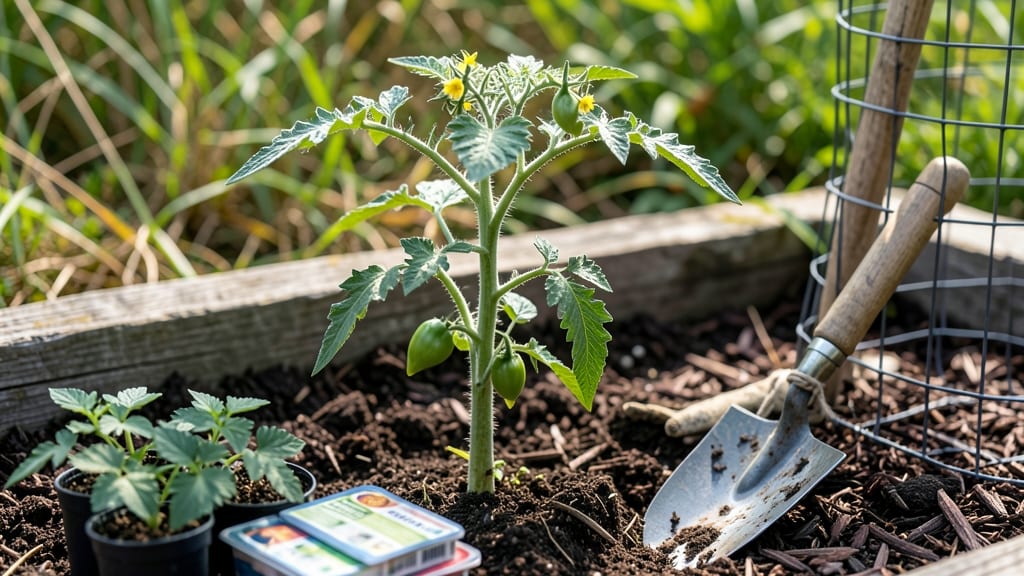
Planting tomatoes in Kansas isn't just about the calendar—it's about outsmarting the state's unpredictable swings from frost to scorching heat. One wrong move, and your 🍅 plants could end up as crispy snacks instead of juicy harvests.
I've learned the hard way that Kansas' USDA Zones 5-7 demand precision, especially when northern counties like Saline face later frosts than southern areas near Wichita. The key?
Timing your seedlings or seeds to hit the ground when soil temps consistently stay above 55°F—not just when the thermometer says spring has arrived.
In this guide, I'll break down the exact county-specific windows that separate success from disappointment. Whether you're in Kansas City's urban heat islands or the cooler hills of Johnson County, you'll discover how to adjust for microclimates that can make a 2-week difference in your harvest.
We'll also cover smart strategies to protect your plants when Mother Nature throws curveballs—because in Kansas, the only predictable thing about the weather is its unpredictability. Let's get those tomatoes growing the right way.
Kansas county-specific tomato planting dates by last frost average
Kansas gardeners face unique challenges with its variable climate, where last frost dates can shift by weeks between counties. Timing your tomato seedlings correctly ensures a healthy harvest before the first frost in fall.
Based on data from Kansas State University, I’ve broken down the optimal planting windows for both metro areas and rural counties.
In northern Kansas (e.g., Saline County), where the average last frost occurs around April 20-May 5, you’ll want to wait until mid-May to transplant seedlings.
Meanwhile, southern Kansas (like Sedgwick County) enjoys warmer springs, with last frosts typically by April 1, allowing earlier planting in late April.
Metro areas like Wichita and Topeka benefit from urban heat islands, which can push last frosts slightly later. For Kansas City, gardeners should align with Johnson County averages, aiming for late April to early May transplants. Always check your local extension office for updates, as microclimates can vary even within cities.
Tomato seeds can be started indoors 6-8 weeks before your last frost date, but most Kansas gardeners prefer buying healthy seedlings from local nurseries. For direct sowing, wait until soil temperatures reach 60°F (about mid-May in most regions), as cooler soils stunt growth.
| County/Region | Avg. Last Frost | Seedling Transplant Window | Direct Sowing Window | Harvest Window |
|---|---|---|---|---|
| Sedgwick (Wichita) | April 1 | Late April | Mid-May | July–October |
| Johnson (Overland Park) | April 15 | Early May | Late May | July–October |
| Saline (Salina) | May 5 | Mid-May | Early June | August–October |
| Rural Northeast (e.g., Brown) | May 10 | Late May | Mid-June | August–September |
| Southwest (e.g., Finney) | March 25 | Late March–April | Early April | June–November |
If you’re growing heirloom tomatoes or long-season varieties, consider starting seeds indoors in February to give them a head start.
For determinate varieties (like 'Roma' or 'Celebrity'), which produce fruit earlier, you can transplant as early as mid-April in southern Kansas. Indeterminate types (e.g., 'Better Boy') need more time and should wait until late April or May.
For succession planting, sow a second batch of seeds in early June to extend your harvest into late fall. This works especially well in southern Kansas, where the growing season lasts longer. Always choose disease-resistant varieties like 'Mountain Merit' to combat Kansas’ humid summers.
Monitor your local weather forecasts closely, as late frosts can still occur in May. Use
How to adjust tomato planting dates for Kansas’ unpredictable weather
Kansas’ volatile spring weather can turn a perfect planting plan into a disaster overnight. Late frosts in May or sudden heatwaves in June often catch gardeners off guard.
The key to success? Flexibility. By using season-extending tools and smart transplanting, you can protect your tomato seedlings and still enjoy a bountiful harvest.
Start by checking your local frost dates—they vary wildly across Kansas. Northern counties like Saline or Rice may have two weeks later last frosts than southern areas like Sedgwick.
If you’ve planted too early and frost warnings loom, don’t panic. With the right strategies, you can save your seedlings and still get tomatoes.
If frost is forecasted within 48 hours of your planting date, take immediate action:
- Cover seedlings with row fabric or lightweight blankets at dusk.
- Use a cold frame or cloche for overnight protection.
- Water deeply before frost to help roots withstand cold.
Pro Tip: If frost hits, wait 2 weeks after the last frost date to replant.
For gardeners in northern Kansas, consider starting tomatoes indoors 6-8 weeks before your last frost date. This gives you hardy seedlings ready to transplant after the danger of frost passes. Use grow lights or a sunny windowsill to keep them strong until they’re ready for the garden.
If you’re dealing with early heatwaves, opt for shade cloth to protect young plants. Tomatoes thrive in warm soil, but sudden heat can shock seedlings.
Mulch with straw or grass clippings to keep roots cool and retain moisture. This simple step can mean the difference between wilting plants and a thriving crop.
Another trick? Succession planting every 2 weeks after your initial planting. This ensures a continuous harvest even if early plantings struggle. Choose fast-maturing varieties like 'Early Girl' or 'Stupice' for the best results in Kansas’ short growing season.
Don’t forget to monitor soil temperatures—tomatoes need warm soil (60°F+) to germinate. Use a soil thermometer to check before planting. If the ground is still cool, wait or use black plastic mulch to warm it faster. Patience here pays off with stronger, healthier plants.