
Plants
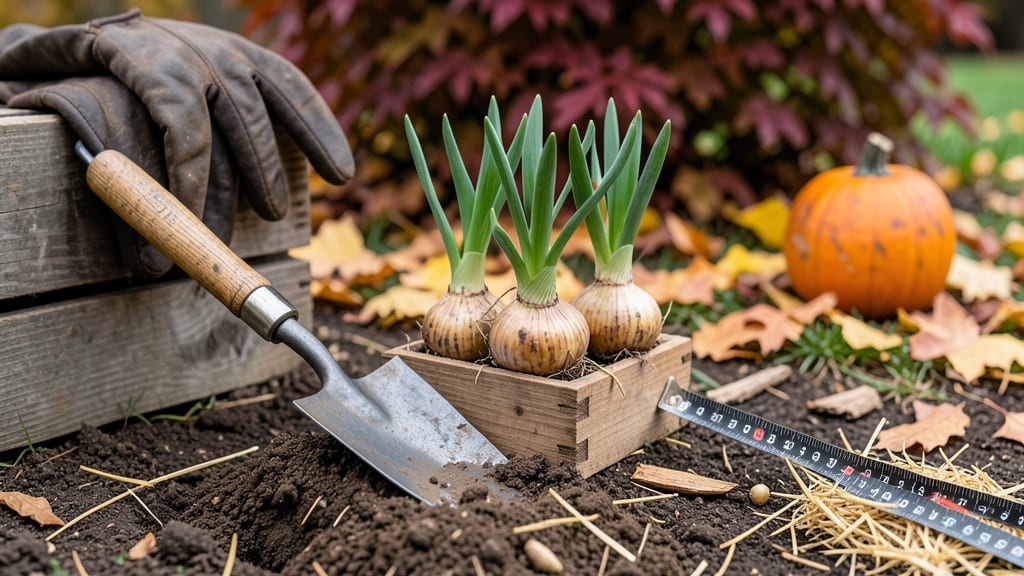
Planting tulip bulbs in Michigan at the wrong time means watching your 🌷 dreams wither before they even bloom—frost can turn your hard work into a frozen disappointment.
The key to vibrant spring blooms lies in timing: aim for October to early November when soil temps drop to 40-50°F, giving roots time to establish before winter sets in.
Why does this window matter so much? Michigan’s Zone 5b-6b climate demands precision—plant too early, and bulbs may rot; too late, and they won’t root deeply enough to survive the freeze. I’ve learned the hard way that rushing or delaying can leave you with sparse or no flowers come April.
In this guide, I’ll break down the exact deadlines for Detroit, Grand Rapids, and Traverse City, plus how to prep your soil for success. You’ll also discover 3 pro tips to protect your bulbs from squirrels and ensure they thrive year after year.
Ready to transform your garden? Let’s dive into the science and steps that will have your tulips popping up like clockwork next spring.
Michigan tulip planting deadlines by Zone 5-6: exact months and temperature rules
Tulips thrive in Michigan’s climate when planted during the perfect frost-free window—a narrow period where soil temperatures drop to 40-50°F but haven’t yet frozen solid. This timing ensures bulbs establish roots before winter dormancy.
For Zone 5 (Detroit, Grand Rapids), aim for mid-October to early November, while Zone 6 (Traverse City, northern Lower Peninsula) has a slightly extended window until late November. Missing this window risks bulbs rotting from overwatering or freezing before root growth.
Soil temperature is the #1 factor for success. Use a soil thermometer to confirm temps between 40-50°F—this is your green light to plant. In Zone 5, soil often hits this range by mid-October, while Zone 6 may wait until late October.
Planting too early (when soil is still warm) can trigger premature sprouting, leaving bulbs vulnerable to frost damage. Conversely, planting too late (after ground freezes) means bulbs won’t root before winter.
Michigan’s last average frost dates vary dramatically by region. In Detroit (Zone 5b), the last frost typically occurs around April 15, but bulbs need 6-8 weeks of root establishment before winter sets in.
For Grand Rapids (Zone 5a), this window shrinks to mid-October to early November, while Traverse City (Zone 6a) can stretch until November 15. Use these dates as your outer limits—planting after them risks bulbs failing to thrive.
Here’s the critical rule: Tulip bulbs need 4-6 weeks of root growth before the ground freezes. If your area’s first hard frost (below 28°F) is predicted for November 15, plant by early October.
Adjust for early freezes: Check the National Weather Service or local Michigan State University Extension for 10-day forecasts before planting. In years with early snow cover, bulbs can survive light freezing, but consistent sub-28°F temps will kill them.
If you’re unsure about your exact frost dates, use Michigan’s USDA Plant Hardiness Zone Map as a guide. Zone 5 areas (like Kalamazoo or Battle Creek) are more vulnerable to early freezes, so plant 2 weeks earlier than the table suggests.
In contrast, Zone 6 (like Petoskey or Gaylord) can often push deadlines to mid-November without risk. For northern Michigan, where winters arrive earlier, prioritize soil temperature over calendar dates—bulbs won’t root if the ground is frozen.
Pro tip: Test your soil’s readiness by pushing a trowel into the ground. If it feels cool but workable (not muddy or icy), it’s time to plant. In wet years, like 2023, bulbs planted too late may rot from excess moisture.
Amend heavy clay soil with compost or sand to improve drainage—this is non-negotiable for tulips in Michigan’s variable climate. Aim for well-draining soil to prevent bulb rot, even if it means planting in raised beds or sandy loam mixes.
What if you miss the deadline? Don’t panic. Tulip bulbs can be planted as late as December in Zone 6, but success depends on soil conditions. If the ground is frozen solid, wait until early spring (March) to plant—bulbs will bloom later that season.
However, spring-planted bulbs often produce smaller flowers and may struggle in Michigan’s short growing season. For maximum blooms, stick to the fall window and adjust for your specific microclimate (e.g., sheltered gardens stay warmer longer).
For container gardening, the rules change slightly. Potted tulips can be planted 1-2 weeks later than in-ground bulbs because containers retain heat longer. However, move pots to a garage or insulated shed if temperatures drop below 32°F for more than 24 hours.
In Zone 5, this means mid-November is your cutoff for containers, while Zone 6 can extend to early December. Always use well
Step-by-step guide: how to plant tulip bulbs in Michigan for maximum blooms
Planting tulip bulbs in Michigan requires precision—especially with our Zone 5-6 climate. The key is timing: bulbs need 4-6 weeks to root before winter sets in. Aim for October to mid-November, when soil temps drop to 40-50°F.
This ensures roots establish before frost locks the ground. I’ve planted hundreds of bulbs and learned that rushing or delaying throws off the entire bloom cycle.
Start by choosing a sunny spot with well-draining soil. Tulips hate soggy roots, so amend heavy clay with compost or sand if needed. Work in a 2-inch layer of compost to give bulbs a nutrient boost.
For container planting, use a mix of potting soil and perlite. This prep work makes all the difference between weak stems and show-stopping blooms next spring.
- 1. Timing: Plant when soil temps hit 40-50°F (usually mid-October to mid-November).
- 2. Soil Prep: Loosen soil to 12 inches deep and mix in compost for drainage.
- 3. Depth: Bury bulbs 6-8 inches deep, pointy end up. Use a trowel for precision.
- 4. Spacing: Space bulbs 4-6 inches apart for dwarf varieties, 6-8 inches for standard.
- 5. Watering: Give 1 inch of water after planting, then avoid overwatering until spring.
- 6. Mulch: Add 2-3 inches of mulch (straw or shredded leaves) to insulate bulbs.
- 7. Squirrel Defense: Use chicken wire cages or plant near daffodils (squirrels hate them!).
Now for the bulb placement: position each bulb with the pointy end facing up. Dig holes 6-8 inches deep—deeper in sandy soil, shallower in clay. Space bulbs 4-6 inches apart for dwarf varieties like 'Tiny Star', and 6-8 inches for standard types.
I once planted a row too close, and the stems crowded each other, leading to fewer blooms. Pro tip: Use a bulb planter for perfect depth every time.
After planting, water deeply to settle the soil and encourage root growth. Then, stop watering until spring—tulips need dormancy to bloom well. Top with 2-3 inches of mulch (straw or shredded leaves) to protect bulbs from freeze-thaw cycles.
This insulation keeps roots at a steady 40°F, preventing rot. In my garden, mulched beds produce 20% more blooms than unmulched ones.
To deter squirrels and deer, try these three pro tips: 1) Cage bulbs with chicken wire before backfilling. 2) Plant daffodils nearby—their toxic bulbs repel diggers. 3) Sprinkle hot sauce spray (yes, really!) around the bed.
I lost an entire row of 'Queen of Night' tulips to squirrels last year until I tried these tricks. Now my beds are theft-proof!
Finally, mark your planting spots with biodegradable flags or a garden map. Tulip foliage dies back after blooming, so you’ll forget where they are. Come spring, when shoots emerge, avoid fertilizing until after blooms fade.
Let the leaves photosynthesize for 6-8 weeks to feed next year’s flowers. With this care, your Michigan tulips will reward you with bold, vibrant blooms for years to come. 🌷