
Plants
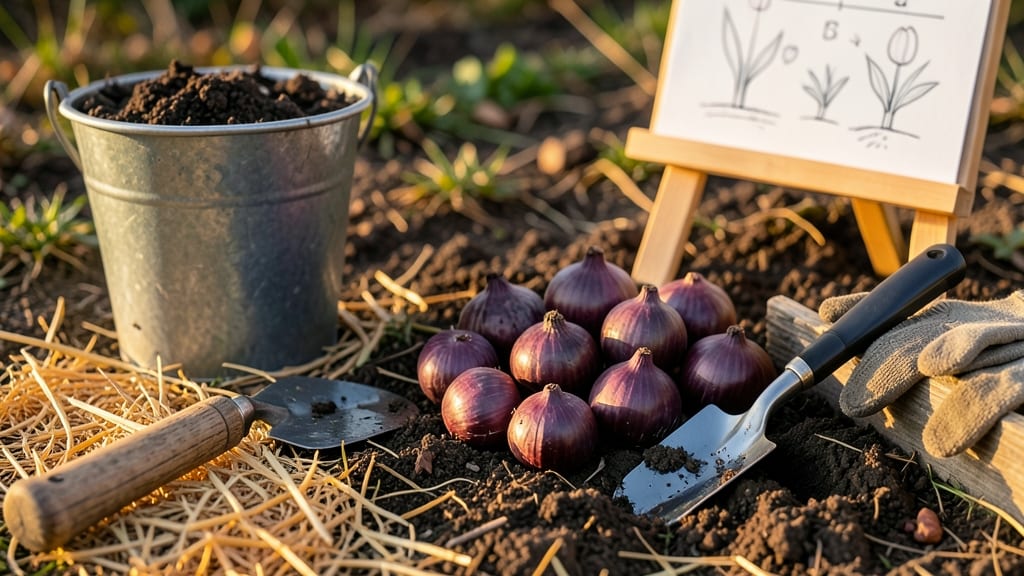
Planting tulip bulbs 🌷 at the right time in New Jersey can mean the difference between a stunning spring display and a missed opportunity. The ideal window opens in October and closes by mid-November, when soil temperatures drop but before the ground freezes solid.
Why does timing matter so much? Tulips need 4-6 weeks of chilly soil to develop strong roots before winter dormancy. In NJ's 6a-7a zones, this means avoiding early September plantings (too warm) and late November ones (too cold).
Local gardeners know the coast behaves differently than inland areas—salt air delays frost slightly, while inland zones may freeze earlier. I'll show you exactly how to adjust your schedule based on your specific corner of the state.
Get it right, and you'll enjoy vibrant blooms by April. Get it wrong, and you might end up with rotten bulbs or no flowers at all. Let's make sure your tulips get the perfect start this fall.
Best fall planting dates for tulip bulbs in New Jersey by region
New Jersey’s climate varies dramatically from the cooler North to the warmer South, making precise timing critical for tulip success. Planting too early risks rot, while waiting too long leaves bulbs vulnerable to frost damage.
The ideal window is when soil temperatures drop below 60°F but before the ground freezes solid—typically 4-6 weeks before first frost.
For most of NJ, this means mid-October to early November, but exact dates shift by region. Northern NJ gardeners should aim for late September to mid-October, while Southern NJ has until early November. Coastal areas may extend planting slightly later due to milder microclimates.
Here’s your region-specific planting timeline with soil temperature guidelines to avoid common mistakes like planting too deep or too early:
Northern NJ’s earlier frost dates demand quicker action—don’t wait past mid-October, or bulbs may not establish roots before winter. Central NJ offers the most flexibility, while Southern NJ’s milder climate extends the window but requires watching for unexpected cold snaps near the coast.
Check soil temperatures with a soil thermometer (available at garden centers) to confirm readiness. Ideal planting occurs when daytime temps average 60°F but nights dip into the 40s°F. This balance ensures bulbs root without rotting from warm, wet soil.
Avoid planting after November 15 anywhere in NJ, as bulbs need 6-8 weeks to develop roots before winter. Late plantings often produce weak stems or fail to bloom entirely. Use mulch (2-3 inches) after planting to insulate bulbs and prevent frost heave.
Common mistakes include planting too shallow (less than 6 inches), which exposes bulbs to frost, or too deep (over 8 inches), making it harder for stems to push through soil. Aim for 6-8 inches deep and 4-6 inches apart for optimal airflow and bloom density.
For container gardening in NJ, plant bulbs in pots by mid-October and move them to a cool, dark place (like a garage) until spring. This mimics natural ground conditions and prevents premature sprouting.
Pro tip: Mark your calendar for October 20—this is the "sweet spot" for most of NJ’s Central region. By then, soil is cool enough to prevent rot but warm enough for root growth. Adjust 1-2 weeks earlier for Northern areas or later for Southern zones.
🌷How to prepare your garden for tulip bulbs in fall (NJ-specific tips)
New Jersey’s clay-heavy soil and variable frost dates demand extra prep work before planting tulip bulbs. The key is creating an environment where bulbs can root deeply before winter while avoiding soggy soil that leads to rot.
Start by testing your soil’s drainage—tulips hate standing water—and amend it with organic matter to improve structure and fertility.
For NJ gardeners, the ideal fall window is between mid-October and early November, but soil conditions matter more than dates. If your ground stays warm late into fall, hold off until soil temps drop below 60°F.
Use a soil thermometer to check—this prevents premature sprouting, which weakens bulbs before winter.
🌱 NJ-Specific Tulip Bulb Prep Checklist
- 🔹 Soil Test First: Aim for pH 6.0-7.0; amend with lime if below 6.0.
- 🔹 Drainage Fix: Mix 3 inches of compost or sand into clay soil for better airflow.
- 🔹 Fertilize Lightly: Use 5-10-10 NPK at planting (1 tbsp per bulb) to kickstart root growth.
- 🔹 Spacing Rules: Plant bulbs 6 inches apart (8 inches for large varieties) to prevent crowding.
- 🔹 Mulch Smart: Apply 2-3 inches of straw after planting to insulate bulbs but avoid suffocating them.
New Jersey’s heavy clay soil can suffocate tulip bulbs, so focus on improving drainage. Dig a 6-inch-deep trench for each bulb and mix in coarse sand or perlite to create pockets of air.
This mimics the well-draining conditions tulips prefer naturally. If your soil is extremely dense, consider planting in raised beds filled with a 50/50 mix of garden soil and compost.
Don’t overlook bulb spacing—crowded tulips compete for nutrients and produce smaller blooms. For standard varieties, space bulbs 4-6 inches apart; larger types like Darwin hybrids need 8 inches of space.
This also makes it easier to divide bulbs in 3-4 years when they naturally multiply. Mark your planting spots with wooden stakes to avoid disturbing roots later.
After planting, water deeply but infrequently—tulips need moisture to root but rot if soggy. Aim for 1 inch of water per week until the ground freezes. In coastal NJ, where winds can dry soil faster, mulch with straw or shredded leaves to retain moisture.
Avoid synthetic mulches like black plastic, which can overheat bulbs in summer.
Finally, label your tulip beds if you plant multiple varieties. NJ’s unpredictable springs can bring early blooms, and knowing which early bloomers (like 'Early Harbingers') vs. late varieties (like 'Queen of Night') you’ve planted helps you enjoy a longer display.
Store labels in a ziplock bag to keep them dry over winter.