
Planting
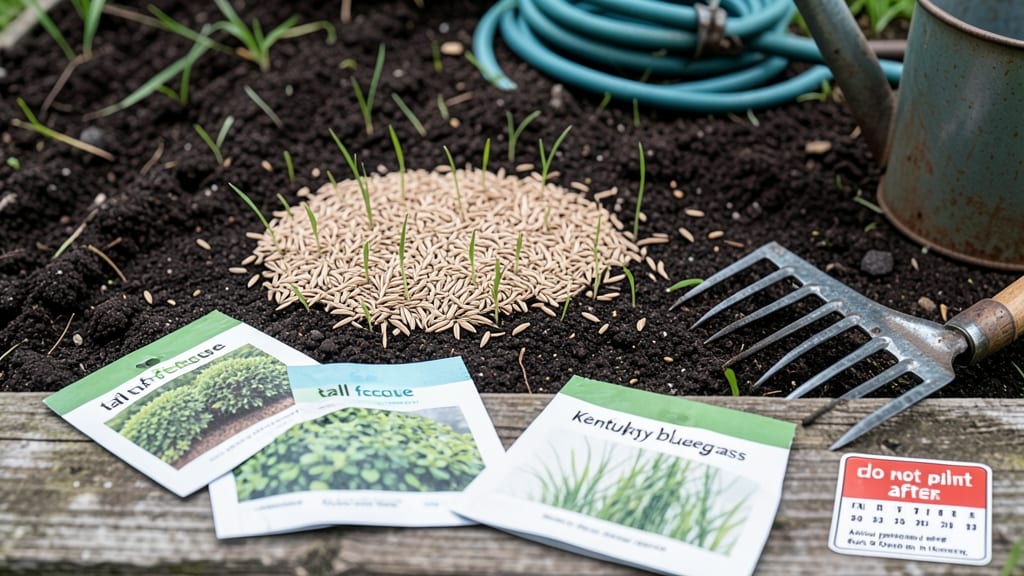
Planting grass seed in Kentucky too late can turn your dream green lawn into a winter battleground—where frost kills tender shoots before they even stand a chance.
The exact cutoff depends on your zone (6a-7a), but missing this window risks patchy growth or worse, a lawn that never fully recovers.
I’ve watched too many gardeners pull out their seed bags in October, only to see their 🌱 Turfgrass (Kentucky Bluegrass, Tall Fescue, etc.) struggle through cold snaps. The key isn’t just the calendar—it’s soil temperature, frost dates, and even microclimates in your yard.
Let me break down the last-minute deadline you can still plant and what to do if you’re cutting it close.
You might think late September or early October is safe, but Kentucky’s unpredictable weather can throw off even the best-laid plans.
I’ll show you how to read the signs—like soil warmth and weather forecasts—to decide if your grass seed stands a fighting chance or if you should switch to a faster-germinating variety.
Don’t panic if you’ve already missed the ideal window. There are still ways to salvage your lawn—whether it’s overseeding with cold-hardy grasses or adjusting your watering schedule. Let’s make sure your effort doesn’t go to waste, no matter how late you’re starting.
Kentucky’s fall grass seed planting deadline by hardiness Zone
Fall is the prime time to plant cool-season grass seed in Kentucky, but timing is everything. Plant too late, and your grass may struggle to establish before winter—leading to patchy growth or winter kill.
The absolute last date depends on your USDA hardiness zone (6a-7b) and soil temperatures. Let’s break it down by zone so you can plant with confidence.
For Zone 6a (northern Kentucky and higher elevations), the final planting window closes around mid-October. In Zone 7a (southern Kentucky and lower elevations), you can push it slightly later to early November. These deadlines are based on soil temperatures dropping below 50°F—the threshold where germination slows dramatically.
Here’s the critical rule: Aim to plant 4-6 weeks before your first frost date. This gives grass seeds time to germinate, develop roots, and establish before winter dormancy.
In Kentucky, the average first frost ranges from October 15 (Zone 6a) to November 1 (Zone 7a), but microclimates can shift these dates by 1-2 weeks.
Soil temperature is the real game-changer. Use a soil thermometer to check depths of 2-4 inches. Grass seeds need 50-75°F soil temps to germinate. If temperatures dip below 50°F for more than a few days, germination will stall, and your investment could be wasted.
🌱Pro Tip: If you’re on the fence about timing, opt for fast-germinating varieties like annual ryegrass or tall fescue blends. These can sprout in 5-10 days under ideal conditions, giving you a slight buffer if you’re planting near the deadline.
| USDA Zone | Last Planting Date | Soil Temp Threshold | Days to Germination | Risk Level |
|---|---|---|---|---|
| 6a (Northern KY) | Mid-October (Oct 15) | 50-60°F | 14-21 days | High (frost risk) |
| 6b (Central KY) | Late October (Oct 25) | 50-65°F | 10-18 days | Moderate |
| 7a (Southern KY) | Early November (Nov 5) | 55-70°F | 7-14 days | Low (milder winters) |
| 7b (Extreme Southern KY) | Mid-November (Nov 15) | 60-75°F | 5-10 days | Very Low |
If you’re planting in Zone 6a, don’t wait past October 15—this is the absolute cutoff for most cool-season grasses. By this date, soil temperatures typically drop below 50°F, and germination rates plummet.
For Zone 7a, you have a bit more flexibility, but pushing past November 1 risks weak establishment before winter.
🌿Local Tip: Check your microclimate. Areas near lakes or rivers may stay warmer longer, extending your planting window by 1-2 weeks. Conversely, higher elevations or shaded spots may need earlier planting to avoid frost damage.
What if you miss the deadline? Don’t panic—overseeding with winter ryegrass in late fall can still improve your lawn’s density. Just be prepared for slower growth and potential winter dormancy. For next year, mark your calendar for early spring planting (March-April) to avoid this rush entirely.
💧Final Check: Before planting, ensure your soil is well-prepared with compost and a light fertilizer. Water deeply after seeding to keep the soil consistently moist until germination. With the right timing and care, your Kentucky lawn can thrive even with late fall plantings!
Signs your late planting will fail (and how to fix it)
Even experienced Kentucky gardeners sometimes push their luck with late grass seed planting. If you’ve missed the ideal August-September window, watch for these red flags that signal trouble ahead.
The first warning sign is soil temperatures below 60°F, which slows germination to a crawl. A simple soil thermometer check can save you from wasted effort.
Another clear danger zone is when nighttime temperatures dip below 50°F consistently. Grass seeds struggle to sprout in chilly conditions, leaving your lawn vulnerable to weed invasion or patchy growth.
Even if seeds germinate, they won’t establish strong roots before winter sets in. This is especially critical in Kentucky’s USDA Zones 6a-7a, where frost can arrive unexpectedly.
⚠️ When Is It Too Late?
Soil temp below 50°F: Seeds won’t germinate effectively. Use a soil thermometer to confirm.
Frost forecast within 2 weeks: New seedlings can’t survive freezing temps. Check the National Weather Service for your area.
Slow germination (3+ weeks): Indicates weak seed viability or poor conditions. Consider fast-germinating varieties like annual ryegrass.
If you notice sparse germination after 2-3 weeks, your seeds may have been planted too late or in unfavorable conditions. This often happens when seeds are too deep (over ¼ inch) or when soil moisture fluctuates.
A quick fix is to overseed with a fast-acting variety like annual ryegrass, which germinates in just 5-7 days and provides temporary coverage.
Another emergency solution is to use a starter fertilizer with high phosphorus (P) content (look for a 10-20-10 or similar ratio). This gives struggling seedlings a nutrient boost to establish roots before winter.
Apply it lightly—just ½ pound per 1,000 sqft—and water it in immediately to avoid burning tender sprouts.
For lawns in northern Kentucky (Zone 6a), where frost arrives earliest, consider covering newly seeded areas with straw (2-3 inches thick) to insulate seeds from temperature swings.
This simple trick can buy you 2-3 extra weeks of growing time. Just remember to remove the straw once spring arrives to prevent thatch buildup.
If all else fails, don’t despair—spring planting is always an option. While fall is ideal, Kentucky’s March-April window is the next best time. Focus on preparing your soil early by aerating in late winter and applying a pre-emergent herbicide to block weeds before seeding.
With the right approach, you can still achieve a lush lawn—just on a slightly delayed schedule.