
Plants
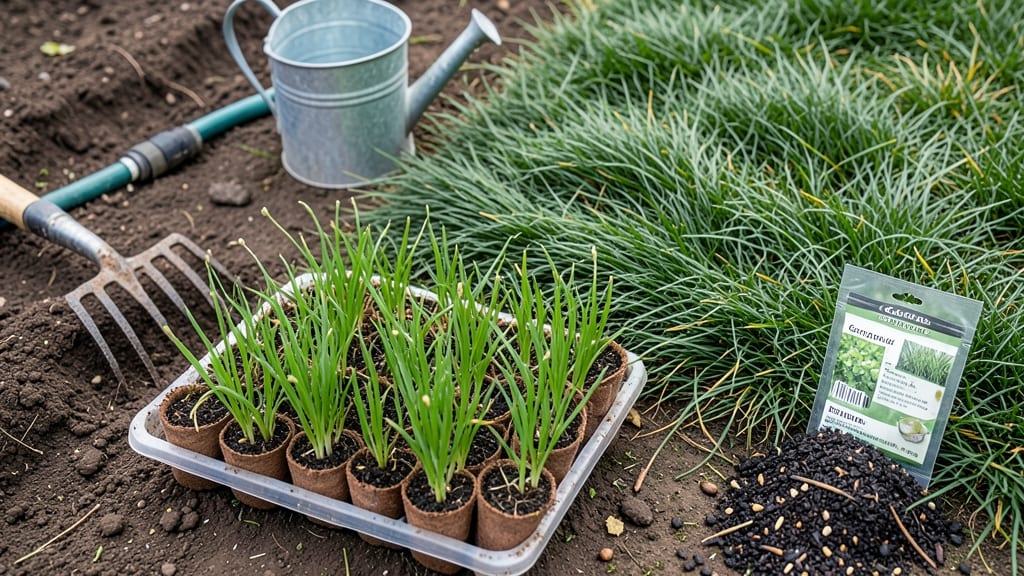
Timing your grass planting just right in fall could mean the difference between a lush, green lawn next spring and months of patchy, struggling growth.
The best time to plant grass in the fall isn't a one-size-fits-all answer—it depends on your local climate and frost dates, but 4-6 weeks before the first frost is the golden window for most regions.
Why fall? Because cooler temperatures and consistent moisture give grass seeds the perfect conditions to establish deep roots before winter sets in.
In USDA Zone 6a, that typically means planting between mid-September and early October, but your exact timeline should align with when your soil stays warm enough for germination while still allowing roots to strengthen before the ground freezes.
I’ve learned the hard way that planting too early risks seed dormancy, while going too late leaves your grass vulnerable to frost damage. The key is balancing warm soil temperatures—ideally between 50–65°F—with enough time for roots to take hold before the first hard freeze.
Let’s break down exactly how to nail this timing for your specific zone and climate.
Whether you’re overseeding an existing lawn or starting fresh, getting this right in fall saves you time, money, and frustration in the long run. You’ll discover how to prepare your soil, choose the right grass type, and avoid common pitfalls that turn a promising fall planting into a spring disappointment.
Optimal fall grass planting weeks before frost by US hardiness Zone
Timing your grass planting just right in fall ensures strong root growth before winter dormancy—critical for a thick, resilient lawn next spring. Cool-season grasses like Kentucky bluegrass and tall fescue thrive when planted 4–6 weeks before frost, but exact timing varies by USDA hardiness zone.
In Zone 5, that might mean late August to mid-September, while Zone 8 gardeners can wait until October. The key is soil temperatures between 50–65°F—warm enough for germination but cool enough to avoid summer stress.
Fall planting works because cooler air temperatures reduce water evaporation while longer daylight hours fuel growth. Seeds germinate faster in consistent moisture and establish roots before winter, giving you a head start in spring.
However, planting too early risks dormant seeds or weed competition, while planting too late leaves roots vulnerable to frost damage. Let’s break down the perfect window by zone to avoid these pitfalls.
🌱
In Zones 3–4, where frost arrives early, aim for late July to early August to give seeds time to germinate before soil cools. Tall fescue and fine fescue are top choices here—they tolerate cold soil temperatures down to 50°F. For Zones 5–6, like much of the Midwest, late August to mid-September is ideal.
This window ensures Kentucky bluegrass and perennial ryegrass establish roots before winter, thanks to soil temps hovering around 55–60°F.
Southern gardeners in Zones 7–8 have more flexibility, with September to early October as the sweet spot. Here, tall fescue still thrives, but Bermuda grass (a warm-season grass) can also be planted in late summer for a spring green-up.
In Zones 9–10, where frost is rare, focus on warm-season grasses like St. Augustine or Zoysia planted in October–November, when temps stay above 65°F.
Pro tip: Check your local first frost date using the USDA Plant Hardiness Zone Map and count backward 4–6 weeks. For example, if frost hits October 15 in your area, plant by September 1.
Pair this with a soil thermometer to confirm temps are in the 50–65°F range—this is your green light for planting.
One common mistake is assuming "fall" means October only. In northern zones, October planting is too late—seeds
How to prepare your soil and seed for fall planting success
Fall is the perfect time to plant grass because cooler temperatures and increased rainfall help seeds germinate and roots establish before winter. But before you scatter those seeds, your soil and seed prep will make or break your lawn's success.
Think of it like laying a strong foundation for a house—skimp on the prep, and you'll deal with problems later.
Start with a soil test to check your pH levels. Most grasses thrive in slightly acidic to neutral soil (pH 6.0–7.0). If your soil is off, amend it with lime to raise pH or sulfur to lower it.
This step alone can double your germination rates, so don't skip it! Even a simple home soil test kit from your garden center will give you the answers you need.
🌱 Key Takeaway: Fall Soil Prep Checklist
- ✅ Test soil pH (aim for 6.0–7.0)
- ✅ Aerate compacted soil (rent a core aerator)
- ✅ Mix in compost (2–3 inches deep)
- ✅ Apply slow-release nitrogen (10-10-10 fertilizer)
- ✅ Water deeply (1 inch per week)
Pro Tip: Cool-season grasses like Kentucky bluegrass and tall fescue need 4–6 weeks of warm soil (50–65°F) to germinate before frost hits.
Next, aerate your lawn to break up compacted soil. Use a core aerator to pull out small soil plugs, which creates space for roots to grow and improves water absorption. If you're planting in a new area, till the soil to a depth of 6–8 inches to loosen it up.
This is especially important if your soil feels hard or water pools on the surface after rain.
Once your soil is ready, it's time to amend it with compost. Spread a 2–3 inch layer of high-quality compost over the area and work it into the top 4 inches of soil.
Compost adds organic matter, improves soil structure, and provides essential nutrients. For best results, choose a well-aged compost without large chunks—think of it as a nutrient-rich hug for your future lawn.
Don't forget to fertilize before planting. Use a slow-release nitrogen fertilizer (like a 10-10-10 blend) to give your grass a nutrient boost without burning the seeds. Apply it evenly over the soil and lightly rake it in.
This step ensures your grass has the energy it needs to establish strong roots before winter sets in. For extra insurance, consider a starter fertilizer designed specifically for new lawns.
Finally, manage moisture with a drip irrigation schedule. Water your newly planted seeds lightly but frequently—aim for 1 inch of water per week, split into two sessions (morning and evening). Avoid overhead watering, which can wash seeds away or cause fungal issues.
A soaker hose or drip system works best, keeping the soil consistently moist but not soggy. This consistency is key to preventing seed dormancy and encouraging strong germination.