
Plants
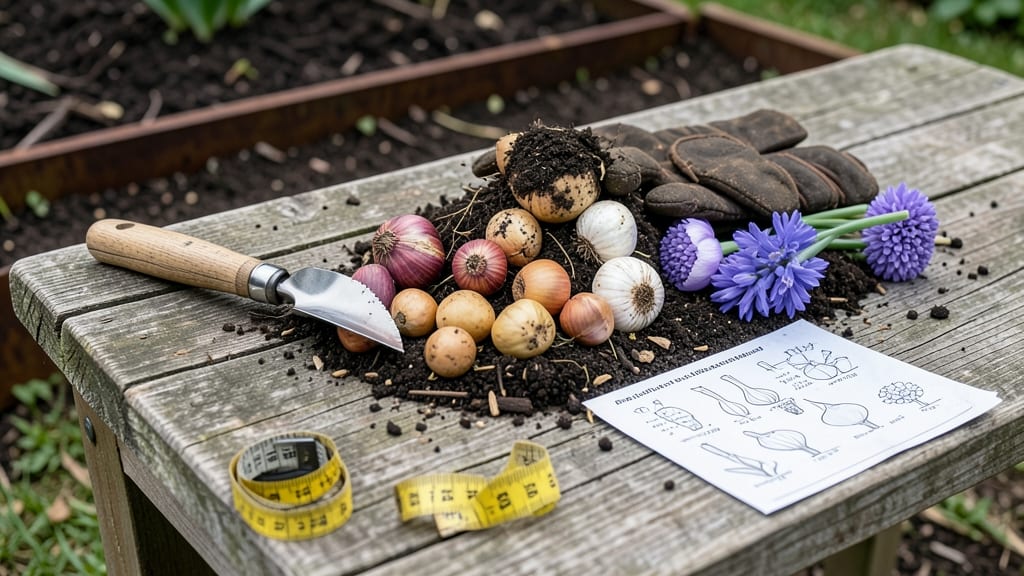
When should you plant bulbs in the ground? The timing can make all the difference between a garden bursting with color and a patch of dirt—so let’s get it right. The key to vibrant blooms lies in understanding when to tuck those 🌱 bulbs (General) into the ground for your USDA Zone 6a climate, where fall and spring each play a crucial role.
Most gardeners swear by fall planting—6-8 weeks before frost—because cooler temperatures encourage root growth before winter dormancy. But spring planting isn’t always a mistake; it’s the perfect window for certain varieties or if you missed the fall deadline.
I’ll break down the exact rules for each season so you can avoid common pitfalls and set your bulbs up for success.
Whether you’re a seasoned gardener or just starting, knowing the ideal planting window saves time and frustration. We’ll cover soil prep, depth, and regional tweaks to ensure your bulbs thrive, whether you’re in the heart of Zone 6a or adjusting for your local frost dates.
Ready to transform your garden? Let’s dive into the best times to plant—so you can enjoy those cheerful blooms next spring without the guesswork.
Fall planting rules: the best time for most bulbs and why
If you’ve ever wondered when should you plant bulbs in the ground for the best results, fall is your golden window. Most spring-blooming bulbs—like tulips, daffodils, and crocuses—need to be planted 6 to 8 weeks before the first frost.
This timing lets them establish strong roots before winter dormancy, ensuring vibrant blooms next spring. Cooler fall temperatures actually help bulbs grow roots without encouraging excessive top growth, which could be damaged by frost.
Why does this matter? Bulbs planted too early may sprout and freeze, while those planted too late won’t have enough time to root before the ground hardens. The key is to strike that balance—planting early enough for root development but late enough to avoid premature growth.
For most of the U.S., this means September to early October, but your exact window depends on your USDA hardiness zone.
Regional adjustments are crucial. In northern climates (Zones 3-5), aim for late September to early October. In southern zones (Zones 7-9), you can plant as late as November, since frost arrives later. Even in mild winters, bulbs still need that root-establishment period before dormancy. For example, in Zone 6a, like much of the Midwest, planting in early October gives bulbs enough time to root before the ground freezes.
When planting, focus on soil preparation first. Bulbs need well-draining soil to prevent rot—amend heavy clay with compost or sand if needed. Dig holes 2-3 times as deep as the bulb’s height, with the pointy end facing up.
Space bulbs according to their mature size (e.g., 6 inches apart for tulips, 12 inches for daffodils) to avoid overcrowding. After planting, water deeply to settle the soil and encourage root contact.
One common mistake is planting bulbs too shallowly, which can expose them to frost heaving—when freezing and thawing cycles push bulbs up and out of the soil. To prevent this, mulch with 2-3 inches of straw or shredded leaves after planting.
This insulation layer protects roots in winter and retains moisture in spring. In colder climates (Zones 3-4), consider adding an extra layer of mulch or even a lightweight row cover for extra protection.
Don’t forget that fall-planted bulbs need patience. While you won’t see blooms until next spring, the roots are hard at work underground. In early spring, once shoots emerge, reduce watering slightly to prevent fungal diseases.
Let the foliage die back naturally—this feeds the bulb for next year’s flowers. Skipping this step can weaken future blooms. For example, daffodils often rebloom if you leave their leaves until they yellow completely.
If you’re in a warmer climate (Zones 9-10), where winters are mild, you can plant bulbs as late as November or even December. However, even in these areas, aim to plant before the ground becomes too hard.
In these zones, some bulbs like rain lilies or calla lilies can even be planted in <
Spring planting exceptions: when and how to plant bulbs later
Not all bulbs follow the classic fall planting rule. Some actually thrive when planted in spring, especially if they bloom in summer or originate from warmer climates. Missed your fall deadline?
No problem—these bulbs can still deliver stunning results with the right approach. Let’s focus on the best spring-planted bulbs and how to give them a head start.
Spring planting works best for tropical bulbs like cannas, dahlias, and amaryllis, which need warmer soil to establish roots. These varieties also avoid frost damage since they grow after the last frost date. The key is preparing your soil early and keeping them consistently moist until they’re well-rooted.
- 🌱 Wait until after last frost (typically April-May in most regions) to plant spring bulbs. Cold soil can stunt root growth.
- 💧 Soak bulbs overnight before planting to kickstart hydration. This is especially critical for dahlias and cannas, which are drought-sensitive.
- 🪴 Plant deeper than fall bulbs—aim for 3x the bulb’s height to protect them from temperature fluctuations near the surface.
- ☀️ Choose sunny spots with 6+ hours of sunlight daily. Tropical bulbs need warmth to bloom, so avoid shady areas.
- 💧 Water deeply 2-3 times weekly for the first month to encourage root establishment. Reduce to once weekly once foliage appears.
For summer-blooming bulbs like dahlias, timing is critical. Plant them as soon as the soil reaches 60°F (15°C), usually in early spring. These bulbs grow quickly, so early planting gives them time to establish roots before summer heat.
If you’re in a warmer climate (Zones 8-10), you can plant even earlier—sometimes as soon as February.
Don’t overlook tropical amaryllis, which also thrive in spring planting. These bulbs need well-draining soil and bright light to produce their iconic blooms. Plant them in containers for flexibility, especially if your winters are cold—you can move them indoors before frost hits.
If you’re playing catch-up from a missed fall deadline, focus on soil preparation. Amend your garden bed with compost or aged manure to improve drainage and fertility.
Mulch after planting to retain moisture and regulate soil temperature. With these adjustments, your spring-planted bulbs can still deliver bold, vibrant blooms all season long.
Pro tip: Mark your calendar for next fall’s planting to avoid last-minute stress. But if spring planting is your only option, these bulbs will reward your effort with show-stopping color when summer arrives. Happy planting! 🌻