
Plants
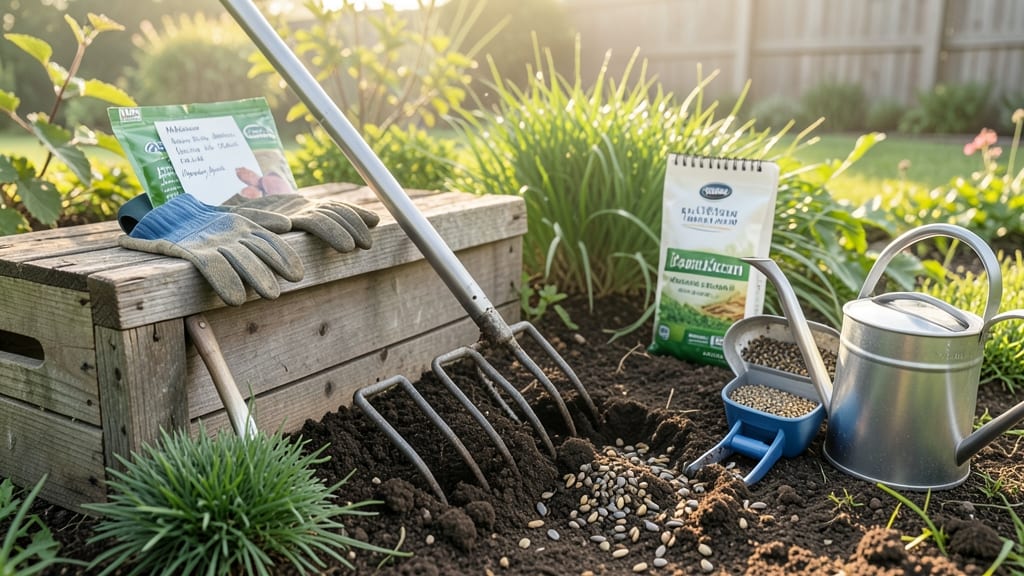
Planting grass seed at the wrong time in Missouri can turn your dream of a lush, green lawn into a frustrating battle against weeds and uneven growth.
The key to success lies in understanding the best planting windows—early spring or early fall—when your 🌱 turfgrass has the ideal conditions to thrive.
Missouri’s 5b-7a climate zones mean your timing matters more than you might think. Plant too early, and frost or heat can stall germination. Too late, and weeds will steal your lawn’s spotlight.
Whether you’re in St. Louis or Kansas City, getting this right could mean the difference between a full, vibrant lawn and months of patchy disappointment.
I’ve tested the best strategies for Missouri gardeners, and what works isn’t just about the calendar—it’s about soil temperature, moisture, and even your local microclimate.
Let me walk you through the exact steps to plant your grass seed at the perfect moment, so you can enjoy a lawn that’s the envy of the neighborhood.
From preparing your soil to watering like a pro, we’ll cover everything you need to know to make this season your best lawn yet. Ready to get started? Let’s dive in.
Best times to plant grass seed in Missouri: spring vs fall comparison
Missouri gardeners know timing is everything when planting grass seed. The Show-Me State’s two best windows—early spring and early fall—offer ideal conditions for germination, but each season brings unique challenges.
I’ll break down the optimal months, temperature ranges, and how northern vs southern Missouri microclimates affect your decision.
Spring planting in Missouri typically kicks off in March-April, but rushing too early can leave your seed vulnerable to late frosts or drought stress.
Meanwhile, fall planting in August-September takes advantage of cooler temps and consistent rainfall, reducing weed competition. Let’s compare which window works best for your lawn.
Missouri’s USDA zones 5b-7a create regional differences. Northern areas (like St. Joseph) experience earlier frosts, while southern zones (like Poplar Bluff) have longer growing seasons. I’ll help you navigate these variations to pick the perfect planting time.
Here’s a quick comparison to guide your decision before diving deeper:
Spring planting in Missouri requires patience. You’ll need to wait until soil temperatures consistently stay above 50°F, usually by mid-March in southern areas but closer to April in northern regions. The last average frost date is April 15, so planting too early risks seed washout or freeze damage.
I recommend waiting until April 1-15 for most of the state to balance frost risk and germination timing.
Fall planting, however, offers a longer window and fewer challenges. Aim for August 15-September 15, giving your grass 4-6 weeks to establish before the first frost (typically October 15). This cooler window reduces water stress and weed competition, making fall my top recommendation for Missouri lawns.
For northern Missouri (zones 5b-6a), fall planting is especially advantageous. The shorter growing season means spring planting leaves little room for error. In contrast, southern Missouri (zones 6b-7a) can sometimes squeeze in a successful spring planting, but fall still wins due to consistent rainfall and milder temperatures.
One critical factor often overlooked is soil moisture. Spring planting demands daily watering to combat Missouri’s unpredictable spring showers and potential droughts. Fall planting benefits from natural rainfall, reducing your workload. Always test your soil’s moisture by grasping a handful—it should hold together but not be soggy.
If you’re still unsure which season suits your lawn, consider your grass seed variety. Cool-season grasses (like tall fescue or Kentucky bluegrass, Missouri’s favorites) thrive in both spring and fall but establish faster in cooler fall temps. Warm-season grasses (like Bermuda) should only be planted in late spring to early summer, but they’re less common in Missouri’s climate.
Pro tip: Mark your calendar for 4-6 weeks before the first frost
Missouri grass seed germination requirements by season
Getting your grass seed to germinate in Missouri depends on more than just timing—it’s about matching your planting schedule to the soil temperature, moisture levels, and sunlight exposure that each season provides.
Unlike many plants, grass thrives in cooler temperatures, which means spring and fall are your best bets for success. Let’s break down what your lawn needs to sprout strong and healthy.
For spring germination, aim for when soil temperatures consistently reach 55-65°F—typically late March to early April in most of Missouri. In fall, shoot for 60-70°F soil temps (August to early September), giving seeds time to establish before winter.
These ranges ensure seeds break dormancy without stressing young roots in extreme heat or cold.
| Season | Ideal Months | Soil Temp (°F) | Moisture Needs | Sunlight |
|---|---|---|---|---|
| Spring | March-April | 55-65°F | Daily watering (1-1.5 inches/week) | 6+ hours full sun |
| Fall | August-September | 60-70°F | Deep watering (2-3x/week) | 6+ hours full sun |
Before planting, prepare your soil by aerating to loosen compacted areas—this helps seeds make contact with moisture and nutrients. Test your soil pH too; Missouri’s clay-heavy soils often need lime to reach the ideal pH 6.0-7.0 range for grass.
Weed control is critical too—apply a pre-emergent herbicide 2-3 weeks before seeding to prevent weeds from stealing resources from your new grass.
Once seeds are down, consistent moisture is non-negotiable. Use a sprinkler to apply 1-1.5 inches of water weekly, keeping the top inch of soil damp until germination (about 7-21 days).
Morning watering is best—it reduces evaporation and fungal risks from overnight dampness. Avoid walking on newly seeded areas until the grass reaches 3-4 inches tall to prevent seed displacement.
Don’t overlook sunlight exposure either. Grass needs 6+ hours of direct sun daily to grow thick and resilient. If your lawn has shady spots, choose shade-tolerant varieties like fine fescue or Kentucky bluegrass blends.
Mulch lightly with straw after planting to retain moisture and protect seeds from drying winds—just avoid burying them more than ¼ inch deep.
Finally, monitor your lawn’s progress. If germination slows after 2-3 weeks, check for uneven moisture or pest pressure (like birds or insects). Adjust your watering schedule or apply a light layer of compost to boost nutrient availability.
With the right prep, your Missouri lawn will establish a lush, weed-resistant carpet in no time.