
Plants
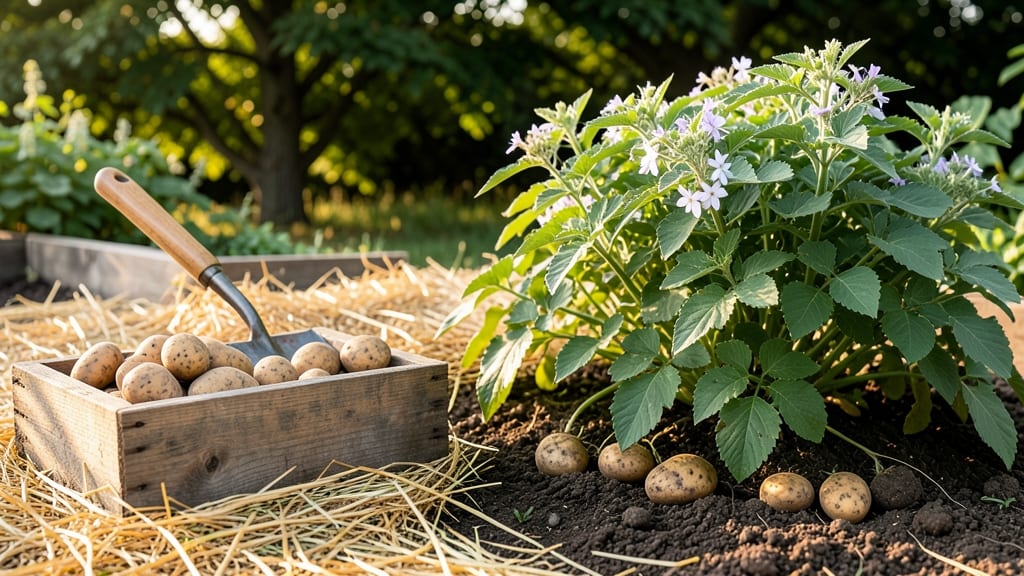
Planting potatoes in Michigan at the wrong time can turn your 🥔 harvest into a gamble—frost nibbling your sprouts or blight stealing your yield before you even know what hit you.
The sweet spot for Michigan gardeners (zones 5b-6b) isn’t just about the calendar; it’s about soil temperature, frost risk, and knowing whether your chosen variety thrives in cool April air or prefers May’s warmth.
Most Michigan gardeners wait until mid-April to early May to plant, but that window shifts depending on your region—Upper Peninsula growers play it safer, while Southern Michigan gardeners can push the envelope slightly later. The key?
Soil that’s warmed to at least 45°F, because cold soil slows germination and invites rot. And if you’re planting early varieties like ‘Yukon Gold,’ timing is everything to beat the blight that lurks in Michigan’s humid summers.
Here’s what you’ll discover: how to read Michigan’s frost-free dates like a pro, why chitting your seed potatoes gives you a head start, and how to stretch your harvest window with row covers or cold-hardy varieties.
No more guessing—just a foolproof plan to turn your garden into a potato powerhouse.
Ready to dig in? Let’s break down the exact steps to maximize your yield, from soil prep to harvest, so you’re not left scrambling when the first frost rolls in—or worse, watching your crop wither before it’s ready.
Michigan’s potato planting zones: exact frost-free dates by region for optimal growth
Michigan’s diverse climate means your potato planting timeline depends heavily on your USDA zone and exact frost-free dates. In the Upper Peninsula (Zone 4), you’ll need to wait longer than in Southern Lower Michigan (Zone 6), where warmer springs allow earlier planting.
Understanding these regional differences ensures your seed potatoes sprout without frost damage and mature before late blight strikes.
Potatoes thrive when planted in 45–50°F soil, a critical threshold that varies by week across Michigan. Northern regions often hit this mark by late April to early May, while southern areas may reach it as early as mid-April.
Using a soil thermometer is my non-negotiable step—cold soil delays germination and invites rot.
Here’s the breakdown you need to time your planting perfectly, tailored to Michigan’s three key regions:
| Region | USDA Zone | Frost-Free Window | Soil Temp for Planting | Ideal Planting Time |
|---|---|---|---|---|
| Upper Peninsula | 4a-4b | May 1–May 15 | 45–50°F (7–10°C) | Late April–early May |
| Northern Lower | 5a-5b | April 25–May 10 | 45–50°F (7–10°C) | Mid-April–early May |
| Southern Lower | 6a-6b | April 15–April 30 | 45–50°F (7–10°C) | Late April–mid-May |
In the Upper Peninsula, where frosts linger until mid-May, I recommend sticking to cold-hardy varieties like ‘Kennebec’ or ‘LaSoda’ for early planting. These can tolerate light frosts after sprouting, giving you a slight edge.
For Northern Lower Michigan (Zone 5), varieties like ‘Yukon Gold’ thrive when planted in late April, balancing frost risk with blight avoidance.
Southern Michigan gardeners enjoy the earliest window, but don’t rush—wait until soil warms to 50°F to prevent waterlogged tubers. I’ve learned the hard way that planting too early in Zone 6 can lead to rot-prone conditions, even if the air feels warm.
Use a soil thermometer for accuracy; it’s the only way to know for sure.
Pro tip: Chit your seed potatoes 4–6 weeks before planting to jumpstart growth. Place them in a bright, cool spot (55–65°F) with the rose end up—this ensures sprouts emerge faster once soil conditions align.
For Northern Michigan, I chit seeds by March 15 to be ready by late April.
Remember, Michigan’s humid climate increases late blight risk, so aim to harvest before August in northern zones. In Southern Michigan, you can push harvests into early October with disease-resistant varieties like ‘Red LaSoda’. Always rotate planting locations yearly to prevent soil-borne diseases.
For container growers, extend your season by planting in black plastic pots—they warm up faster. I’ve had success with early varieties in Zone 5 by using row covers until soil stabilizes. Just remove covers during the day to avoid overheating.
Track your local frost dates using the Michigan State University Extension’s frost calendar—it’s updated annually and accounts for microclimates. Adjust your timeline if you’re in a low-lying area or near large bodies of water, which can delay warming.
When in doubt, plant a week later than the average date—your potatoes will thank you with fewer losses.
Early vs. late planting potatoes in Michigan: pros, cons, and blight risk by month
Deciding whether to plant potatoes in April or May in Michigan is a delicate balance. Early planting (mid-April) gives you a jump on the growing season, but late frost threats linger.
Meanwhile, May planting avoids frost but risks late blight (Phytophthora infestans), a fungal disease that thrives in Michigan’s humid summers. Let’s weigh the risks and rewards for each approach.
Michigan’s climate—cool springs, hot summers, and unpredictable frost—makes potato planting a gamble. Early varieties like ‘Yukon Gold’ or ‘Red LaSoda’ mature faster (60–90 days), while late varieties such as ‘Kennebec’ take up to 120 days. Your choice depends on your frost-free date, variety, and willingness to manage disease risks.
🌱 Early Planting (Mid-April)
- ✅ Earlier harvest (late June)
- ✅ More time to replant if frost kills early growth
- ✅ Better for short-season varieties
- ❌ Risk of late frost (damages tender shoots)
- ❌ Slower soil warming delays sprouting
- ❌ Higher blight risk if summer arrives early
🌿 Late Planting (Early May)
- ✅ Warmer soil speeds germination
- ✅ Lower frost risk after May 15
- ✅ Longer growing season for late varieties
- ❌ Shorter harvest window (late August–October)
- ❌ Higher late blight risk in humid summers
- ❌ Less time for replanting if crop fails
If you choose April planting, harden your seed potatoes by chitting (sprouting in light) for 4–6 weeks before planting. This gives them a head start and compensates for cool soil. For May planting, focus on disease-resistant varieties like ‘Pontiac’ or ‘Chippewa’ to combat Michigan’s blight-prone summers.
Monitor weather forecasts closely in April—if frost is predicted after planting, cover seedlings with frost cloth or straw mulch. In May, prioritize circulation by spacing plants 12–18 inches apart to reduce blight spread. Rotate crops annually to further minimize disease buildup in your soil.
My strategy? I plant half in April (early varieties) and half in early May (late varieties) to hedge my bets. This gives me a staggered harvest and spreads out the risk of frost or blight wiping out my entire crop.
Experiment with both timelines and track which works best for your microclimate!
Remember, Michigan’s humid summers demand vigilance. If you plant late, spray copper fungicide preventatively in July to deter late blight. And always harvest before the first hard frost—even late varieties won’t survive Michigan’s October chill. 🌱