
Plants
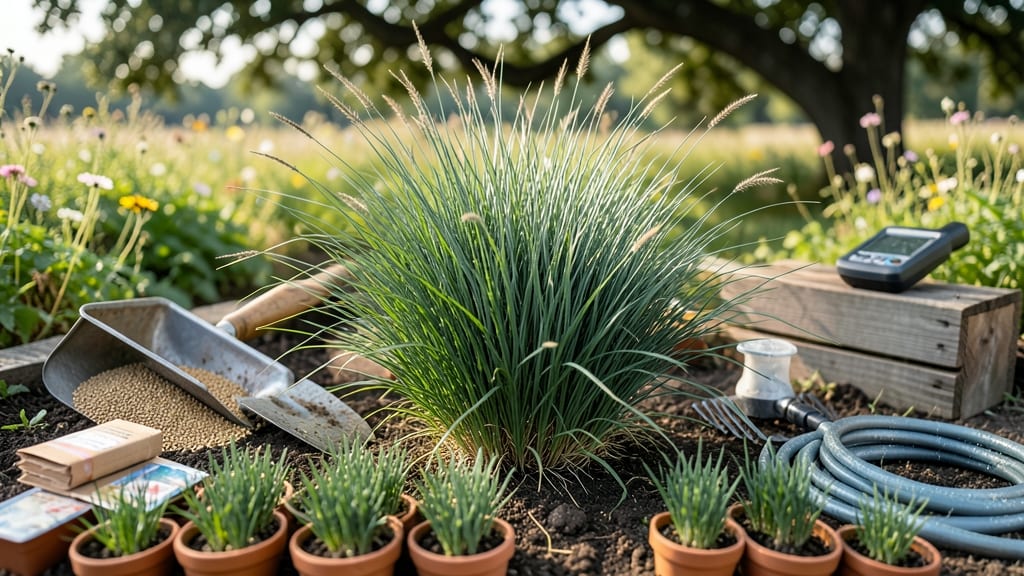
Planting fescue in Arkansas at the wrong time can leave you staring at a lawn that’s more brown than green—even with the best intentions. The key to lush, resilient grass lies in understanding your USDA 7a-8b zone and Arkansas’s unpredictable summer heat.
Unlike spring plantings that risk drying out, late summer to early fall offers the perfect balance of warmth and moisture for strong root establishment.
I’ve seen firsthand how a 4-week window between August and October transforms a patchy lawn into a thick, vibrant carpet. This timing lets fescue take root before winter sets in, giving it a head start when spring rolls around.
But here’s the catch: Arkansas’s microclimates—like the cooler Ozarks versus the hotter Delta—can shift your ideal planting date by weeks.
Whether you’re seeding bare spots or laying new sod, nailing the timing saves you money and frustration. I’ll break down exactly when to plant based on your specific Arkansas location, plus pro tips to beat the heat and prepare your soil for success.
Let’s get that 🌱 fescue growing like a pro.
Ready to skip the guesswork? The right moment isn’t just about the calendar—it’s about reading your yard’s signals. Stick with me, and you’ll know exactly when to grab that seed bag and get planting for a lawn that’ll make your neighbors jealous.
Best planting months for fescue in Arkansas (with climate zones)
Arkansas's diverse climate—spanning USDA Hardiness Zones 7a-8b—means fescue planting timing varies by region. The Ozark Mountains (Zone 7a) have cooler springs, while the Delta region (Zone 8b) stays warmer longer.
For best results, plant 4-6 weeks before the first frost, which typically hits between November 1-15 across the state.
Fescue thrives when soil temperatures hover between 60°F and 75°F—ideal conditions found in late summer to early fall. This window allows seedlings to establish roots before winter dormancy.
Northern Arkansas (Zones 7a-7b) should aim for August-September, while southern Arkansas (Zones 8a-8b) can extend planting until early October.
Planting in early spring (March-April) is possible but riskier due to Arkansas's unpredictable spring rains and heat spikes. Seedlings may struggle to germinate if temperatures exceed 80°F before root establishment. Always check your local Arkansas Cooperative Extension Service for frost dates and microclimate adjustments.
Here’s a quick reference for Arkansas’s three key climate zones and their optimal fescue planting windows:
If you miss the fall window, late winter (February) is a secondary option for Arkansas growers. However, spring planting requires consistent moisture and protection from afternoon sun until seedlings are 3-4 inches tall. Avoid planting in June or July—Arkansas’s summer heat can cause seed dormancy or poor germination.
For tall fescue varieties, which dominate Arkansas lawns, aim for late August planting. These varieties need 6-8 weeks to establish before winter. Fine fescue, better suited for shaded areas, can tolerate slightly later plantings but still benefits from the fall window.
Use a soil thermometer to verify temperatures before planting. Ideal germination occurs when soil is 65°F+ at 4-inch depth. In Arkansas’s humid climate, cover seeds with ¼-inch of soil and keep the area moist until sprouts appear (10-21 days).
Pro tip: Arkansas’s microclimates can vary by just a few miles. Check your specific Arkansas County Extension Office for localized frost data. For example, Mountain View (Zone 7a) may need earlier planting than Little Rock (Zone 7b).
Once planted, maintain 1 inch of water weekly until roots establish. Fescue in Arkansas thrives with deep, infrequent watering—mimicking natural rainfall patterns. Avoid overhead watering in the evening to prevent fungal diseases like brown patch, common in Arkansas’s heat and humidity.
By following these climate-zone-specific guidelines, your fescue will establish a dense, drought-resistant lawn that outlasts Arkansas’s seasonal challenges. Happy planting! 🌱
How to prepare your Arkansas lawn for fescue planting (step-by-step)
Preparing your Arkansas lawn for fescue planting is the key to a thick, vibrant lawn that withstands the state’s humidity and heat. Arkansas’s USDA zones 7a-8b demand careful prep work to ensure seeds germinate properly and establish strong roots before winter.
Skipping these steps can lead to slow growth or even seed failure due to Arkansas’s heavy rainfall and summer heat. Let’s break down the essential tasks to get your lawn ready for late summer or early fall planting, the ideal window for fescue in this region.
First, you’ll need to test your soil’s pH level—fescue thrives in slightly acidic soil with a pH between 6.0 and 7.0. Arkansas’s clay-heavy soils often lean toward alkaline, which can stunt grass growth.
Grab a soil test kit from your local garden center and follow the instructions to collect samples from multiple spots in your yard. If your soil is too alkaline, you’ll need to add sulfur or peat moss to lower the pH gradually over a few weeks.
This adjustment is critical because fescue roots struggle to absorb nutrients in high-pH soil, leading to weak growth.
🌱 Step-by-Step Lawn Prep for Fescue Planting in Arkansas
-
Step 1: Test and Adjust Soil pH
Use a soil test kit to check pH. Aim for 6.0–7.0. If too high, amend with sulfur or peat moss 4–6 weeks before planting.
-
Step 2: Clear Weeds and Debris
Remove weeds with a pre-emergent herbicide or manual pulling. Rake away leaves and rocks to create a clean seedbed.
-
Step 3: Till the Soil
Loosen top 3–4 inches of soil with a tiller. Arkansas’s clay soil benefits from this to improve aeration and drainage.
-
Step 4: Level the Ground
Use a rake to smooth the soil, eliminating low spots where water pools. Fescue roots need even contact with soil for uniform growth.
-
Step 5: Apply Starter Fertilizer
Spread a low-nitrogen starter fertilizer (10-10-10) at half the recommended rate. This gives seeds a nutrient boost without burning.
-
Step 6: Water Deeply Before Planting
Soak the soil to a depth of 6 inches 24 hours before seeding. Arkansas’s humidity helps, but consistent moisture is key for germination.
After adjusting your soil’s pH and amending it with compost or organic matter, the next critical step is weed control. Arkansas’s warm, humid climate encourages weed growth, which can compete with your fescue seeds for nutrients and sunlight.
Start by applying a pre-emergent herbicide designed for lawns to prevent weeds from sprouting. If weeds are already present, manually pull them or spot-treat with a vinegar-based herbicide for organic control. Clear the area completely—even small weeds can steal moisture and resources from your new grass.
Once your soil is prepped and weeds are under control, it’s time to till the lawn. Arkansas’s clay-heavy soil can become compacted, which restricts root growth and water absorption. Use a rototiller to loosen the top 3–4 inches of soil, breaking up clumps and improving aeration.
This step is especially important in low-lying areas where water pools after heavy rains. After tilling, rake the soil smooth to create a level seedbed. Uneven surfaces can lead to thin patches of grass, as seeds may not make consistent contact with the soil.
Before you plant, apply a starter fertilizer with a balanced NPK ratio (10-10-10). Arkansas’s heat can stress young fescue seedlings, so a gentle nutrient boost helps them establish roots quickly. Spread the fertilizer evenly over the prepared soil and lightly rake it in.
Avoid over-fertilizing, as excess salts can burn the seeds or delay germination. Finally, water the area deeply to a 6-inch depth 24 hours before seeding. This ensures the soil is moist and ready to support seed germination when you’re ready to plant.
With your soil tested, weeds cleared, and nutrients in place, your Arkansas lawn is now ready for fescue seeds to take root. The next step is planting at the right time—aim for late summer to early fall to avoid the state’s harsh summer heat or early winter frosts.
By following these steps, you’ll give your fescue the best chance to thrive in Arkansas’s unique climate. 🌱