
Planting
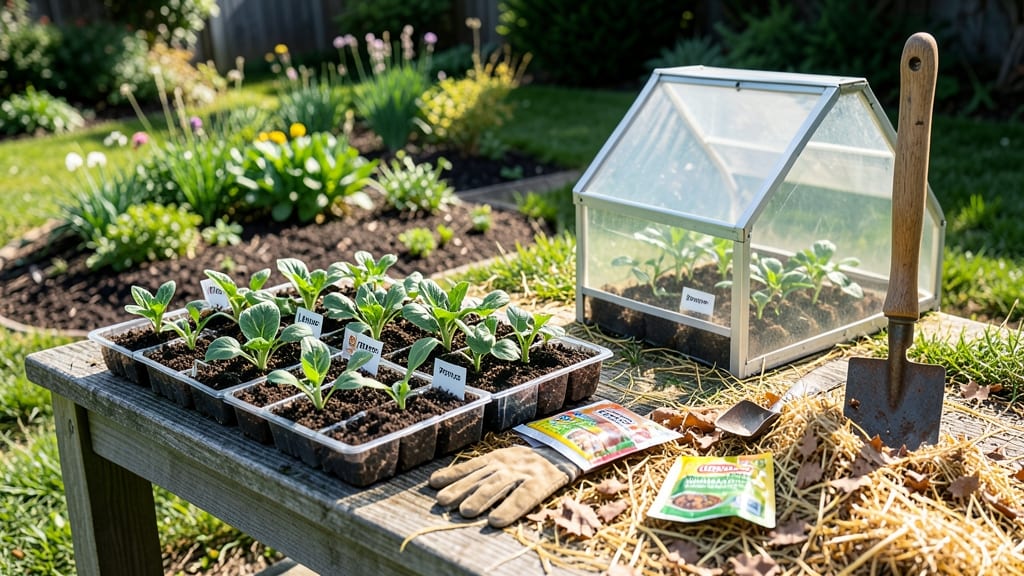
Planting your garden at the wrong time in Kentucky can mean the difference between a bountiful harvest and wasted seeds—so timing your 🌱 general garden plants right is everything.
With USDA Zones 6a-7a and frost dates that shift from April to October, getting the timing perfect isn’t just helpful—it’s essential. One week too early, and tender seedlings will fry in unexpected cold snaps. One week too late, and your summer crops might never reach full potential.
I’ve spent years tracking Kentucky’s planting windows, and what I’ve learned will save you from common mistakes—like planting tomatoes before the soil warms or missing the last chance for fall greens. Let me walk you through the exact frost-free deadlines and ideal months for your garden.
Whether you’re a first-time gardener or a seasoned pro, these insights will help you align your planting schedule with Kentucky’s climate—so you can enjoy fresh produce from spring through fall.
Kentucky planting calendar: frost-free dates by USDA Zone 7a vs 7b
Kentucky’s USDA Zones 7a and 7b offer 165 frost-free days annually, but the timing varies by just 10-14 days between them. In Zone 7a (cooler), the last spring frost typically hits April 15-20, while Zone 7b (warmer) sees it April 1-7.
This difference can mean the difference between thriving tomatoes and frozen seedlings.
Understanding these dates is critical for cool-season crops like lettuce and warm-season crops like peppers. Planting too early risks frost damage, while waiting too long shortens your harvest window. For example, Louisville (Zone 7a) has a longer frost window than Lexington (Zone 7b), so adjust your schedule accordingly.
🌱 Comparison Table: Kentucky Frost Dates by Zone
| Metric | USDA Zone 7a (e.g., Louisville) | USDA Zone 7b (e.g., Lexington) |
|---|---|---|
| Last Spring Frost | April 15-20 | April 1-7 |
| First Fall Frost | October 15-20 | October 25-Nov 1 |
| Frost-Free Window | 165 days | 175 days |
| Cool-Season Start | March 15-April 1 | March 1-April 15 |
| Warm-Season Start | April 20-May 1 | April 15-April 30 |
| Fall Planting Window | August 15-Sept 15 | August 1-Sept 30 |
For cool-season crops, start seeds indoors 4-6 weeks before your last frost date. In Zone 7a, this means February 20-March 15, while Zone 7b gardeners can begin March 1-15.
Direct-sow hardy crops like spinach and peas 2-3 weeks before your last frost—so March 15-April 1 in Zone 7a and March 1-April 15 in Zone 7b.
Warm-season crops like tomatoes and peppers need soil temperatures above 60°F to thrive. In Zone 7a, wait until April 20-May 1 to transplant seedlings, while Zone 7b can start April 15-April 30. Use row covers if nighttime temps dip below 50°F to protect tender plants.
Kentucky’s fall planting window extends later in Zone 7b. In Zone 7a, plant broccoli and kale by August 15 for a September-November harvest, while Zone 7b gardeners can push it to September 15.
This extra time lets you squeeze in two harvests of crops like carrots and radishes.
Regional microclimates add another layer of complexity. Louisville’s urban heat island effect can delay frost by 3-5 days compared to rural areas, while Lexington’s higher elevation may bring frost 1-2 weeks earlier in fall. Always check local weather forecasts and use frost cloth for a 1-2 week buffer.
Pro tip: Use a soil thermometer to confirm 60°F+ soil temps before planting warm-season crops. In Zone 7a, this often means waiting until mid-May, while Zone 7b may be ready by early May. Patience here prevents stunted growth and poor yields.
Don’t forget succession planting to maximize your harvest. In Zone 7a, sow lettuce every 2 weeks from March to September, while Zone 7b can stretch this to October. This strategy ensures a continuous supply of fresh produce and minimizes waste.
🌿 Whether you're in Louisville or Lexington, mastering these frost dates transforms your garden from hit-or-miss to bountiful harvests. Start with
Best vegetables to plant in Kentucky: month-by-month guide for maximum yield
Kentucky’s humid subtropical climate in USDA Zones 7a/7b lets you grow a year-round bounty—if you plant at the right time. Cool-season crops like spinach and peas thrive in early spring, while tomatoes and peppers need warm soil to germinate.
Missing these windows means slower growth or failed harvests, so let’s break it down by month for peak productivity.
For best results, test your soil temperature—cool crops need 40-50°F soil, while warm crops require 60-70°F. Amend beds with compost before planting, and space seeds according to mature sizes to avoid overcrowding. Here’s your month-by-month roadmap to a thriving Kentucky garden.
| Month | Vegetables | Spacing | Soil Prep | Notes |
|---|---|---|---|---|
| March | Peas, Spinach, Lettuce, Radishes, Kale | 1-3" apart | Add compost; pH 6.0-7.0 | Direct sow after last frost risk passes |
| April | Carrots, Beets, Onions, Broccoli, Cabbage | 2-4" apart | Loosen soil; mulch to retain moisture | Start transplants indoors for late April |
| May | Green Beans, Corn, Cucumbers, Squash, Peppers | 6-12" apart | Warm soil; use black plastic mulch | Wait until soil reaches 60°F+ |
| June | Tomatoes, Eggplant, Okra, Sweet Potatoes | 12-24" apart | Add aged manure; stake tomatoes | Succession plant beans every 2 weeks |
| August | Fall Lettuce, Spinach, Radishes, Turnips, Beets | 1-3" apart | Remove old plants; enrich soil | Use row covers for frost protection |
| September | Broccoli, Cabbage, Kale, Carrots, Peas | 2-4" apart | Add compost; mulch heavily | Plant cold-hardy varieties for winter |
In March, focus on cool-season crops like peas and spinach, which tolerate light frosts. Direct sow seeds into well-drained soil with a pH of 6.0-7.0 for optimal nutrient uptake. Use row covers if late frosts threaten, as even 32°F can damage tender seedlings.
By June, your garden should be buzzing with warm-season vegetables. Tomatoes and peppers need full sun (6+ hours) and sturdy support—cage or stake them early to prevent sprawl. Succession planting every 2 weeks ensures a steady harvest of beans and cucumbers all summer long.
Don’t forget fall planting! August and September are perfect for cool-season crops again. Extend your harvest by choosing fast-maturing varieties like radishes (30 days) or spinach (40 days). Mulch heavily to protect roots from early October frosts, which can arrive unexpectedly.
Pro tip: Keep a gardening journal to track your planting dates and note which varieties thrive best in your microclimate. Adjust spacing for <