
Planting
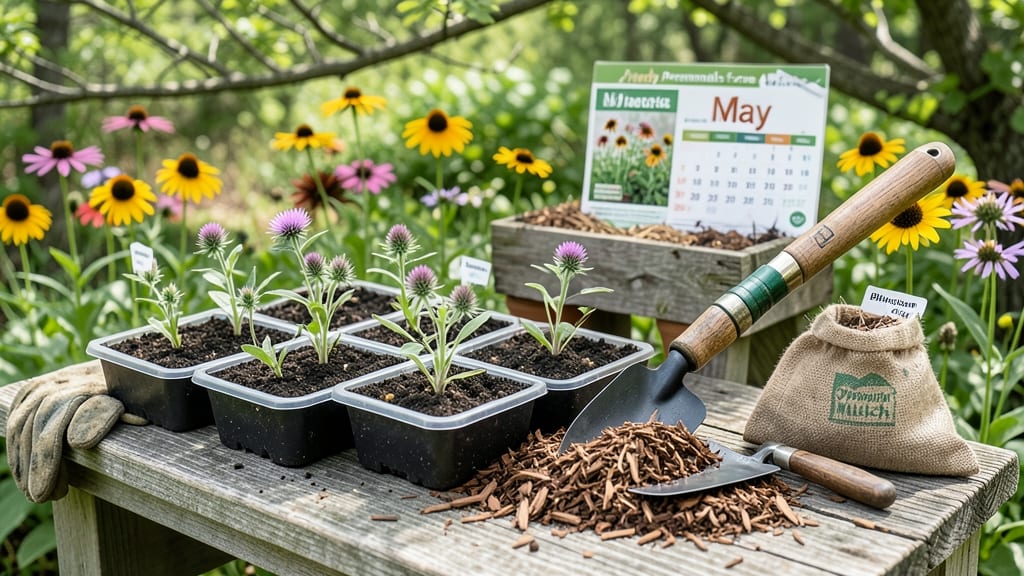
Knowing when to plant a garden in Minnesota means the difference between a bumper crop and a frost-killed disappointment. With Hardiness Zones 3-4 and unpredictable spring weather, timing your garden just right can feel like guessing—until you have the right strategy.
I’ve learned the hard way that planting too early risks losing seedlings to late frosts (which can hit as late as mid-May), while waiting too long cuts your growing season short. The key is understanding Minnesota’s two main planting windows: spring (after last frost) and fall (late July–early August).
In this guide, I’ll break down the exact dates for vegetables, flowers, and herbs—plus how to adjust for your specific zone. Whether you’re growing tomatoes, marigolds, or hardy greens, you’ll discover proven tricks to extend your season and beat Mother Nature’s curveballs.
Ready to turn your Minnesota garden into a thriving oasis? Let’s get those seeds in the ground at the perfect time—no more guesswork, just growth.
Minnesota planting calendar: exact dates for Vegetables, flowers, and herbs by Zone 3-4
Minnesota’s short growing season and unpredictable frost dates make timing critical for garden success. In Zones 3-4, the average last spring frost ranges from May 10-20 in northern regions to May 1-10 in central areas, while the first fall frost arrives between September 15-October 1.
These dates create a 120-160 day frost-free window, shaping your planting schedule.
For cool-season crops like spinach and peas, you can start as early as late March under row covers. However, warm-season plants such as tomatoes and peppers must wait until soil temperatures reach 50°F (10°C)—typically mid-May—to thrive.
Flowers like marigolds and sunflowers offer flexibility, but their bloom times depend on when you plant them.
Northern Minnesota (Zone 3) has a shorter season, so focus on fast-maturing varieties and succession planting. In central Minnesota (Zone 4), you can extend your season slightly with row covers or cold frames. Always check the Minnesota State Climatology Office for yearly updates, as frost dates can shift by 1-2 weeks annually.
| Plant Type | Zone 3 Planting Window | Zone 4 Planting Window | Notes |
|---|---|---|---|
| Cool-Season Vegetables (spinach, peas, lettuce) | Late March–April (outdoors) or start indoors Feb 15 | Late March–April (outdoors) or start indoors Feb 1 | Use row covers for early starts; succession plant every 2 weeks. |
| Warm-Season Vegetables (tomatoes, peppers, cucumbers) | Mid-May–June (after last frost) | Late April–May (after last frost) | Wait for soil to reach 50°F; use black plastic mulch to warm soil faster. |
| Flowers (marigolds, sunflowers, zinnias) | Late April–June (direct sow) | Early April–June (direct sow) | Sunflowers tolerate cooler soil; marigolds deter pests. |
| Herbs (basil, cilantro, dill) | Late May–June (after frost) | Early May–June (after frost) | Basil needs warm soil; cilantro bolts in heat—plant in partial shade. |
| Fall Planting (kale, radishes, pansies) | Late July–August (6 weeks before first frost) | Late July–August (6 weeks before first frost) | Cool-season crops thrive in fall’s mild temps; protect with row covers. |
In Zone 3, prioritize fast-growing varieties like ‘Early Girl’ tomatoes (50 days to harvest) or ‘Sugar Snap’ peas (60 days). These mature before the first fall frost, maximizing your yield.
For Zone 4, you can experiment with slightly longer-season varieties like ‘Brandywine’ tomatoes (70 days) if you use row covers to extend the season.
For cool-season crops, start seeds indoors 4-6 weeks before your last frost date. For example, in Zone 3, begin spinach seeds indoors around February 15 for transplanting in late March.
In Zone 4, you can start them 2 weeks earlier. Always harden off seedlings by exposing them to outdoor conditions for 7-10 days before planting.
When planting warm-season crops, use a soil thermometer to confirm temperatures are above 50°F (10°C).
In northern Minnesota, this often means waiting until late May, while central Minnesota may see suitable conditions by mid-May. Black plastic mulch can warm the soil by 5-10°F, helping you plant earlier and extend the harvest season.
Don’t overlook flowers and herbs, which can add beauty and flavor to your garden while attracting pollinators. Marigolds and sun
How to adjust planting times for Minnesota’s unpredictable weather: extending the growing season
Minnesota’s unpredictable frost dates can turn a perfect gardening plan into a bust. With Hardiness Zones 3-4, even a week’s delay can mean the difference between a bountiful harvest and lost seedlings. The key? Flexibility and smart strategies to extend your growing season while protecting tender plants.
I’ve learned that fast-maturing varieties and season-extending tools are my best allies. For example, ‘Early Girl’ tomatoes (50-55 days to maturity) thrive in Minnesota’s short season, while heirlooms like ‘Brandywine’ (80+ days) often fail without intervention. Let’s explore how to beat frost and maximize your garden’s potential.
- Use row covers (lightweight fabric) to protect seedlings from late spring frosts (down to 25°F). Remove when plants are established.
- Cold frames add 10–15°F of warmth—ideal for hardening off seedlings or extending fall harvests until early November.
- Succession planting every 2 weeks ensures a continuous harvest. Start with fast growers like radishes (25 days) or bush beans (50 days).
- Choose short-season varieties: ‘Sugar Sprint’ peas (60 days) or ‘Bolero’ carrots (58 days) outperform long-season crops.
- Monitor soil temps—plant when soil reaches 50°F (use a soil thermometer) to avoid cold damage.
One of my favorite tricks is staggered planting for warm-season crops. Instead of planting all tomatoes at once, I sow half in early May (under row covers) and the rest in late May. This way, even if the first batch faces frost, the second has a backup.
For peppers and eggplants, which need warm soil, I wait until late May and use black plastic mulch to speed up warming.
Don’t overlook fall planting—it’s just as critical as spring. Cool-season crops like kale, spinach, and carrots thrive in Minnesota’s crisp autumn air. I plant these in late July to early August, giving them time to mature before the first frost (mid-September).
A thick layer of straw mulch insulates roots and protects tender greens.
For perennials and shrubs, timing matters too. Plant bare-root trees in early spring (April) or fall (October) when soil is workable but not frozen. In my garden, rhubarb and asparagus benefit from fall planting—their roots establish better before winter dormancy.
Remember, local weather patterns are your best guide. Check the MN State Climatology Office for frost-free date averages in your area, but always have a backup plan.
Whether it’s a row cover, cold frame, or greenhouse, these tools turn Minnesota’s challenges into opportunities for a longer, more productive growing season. 🌱