
Plants
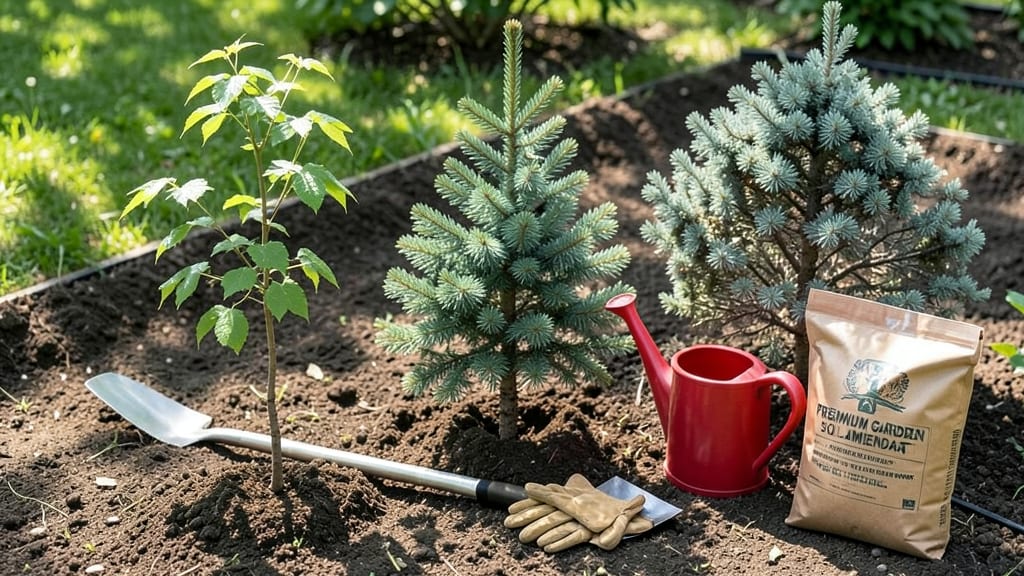
Planting a tree in Colorado isn’t just about grabbing a sapling and sticking it in the ground—timing is everything, especially when you’re dealing with USDA Zones 4-7 and elevation shifts that can turn a perfect spring day into a frost trap overnight.
If you plant too early, your 🌳 could dry out in the thin mountain air. Too late, and winter’s early freeze might kill it before roots take hold.
The key? Knowing whether your Denver yard or high-altitude garden thrives with fall planting or waits for the last frost to pass in spring.
I’ve spent years watching trees struggle—and thrive—in Colorado’s unpredictable climate, and what I’ve learned could save you from costly mistakes. From soil prep tricks to watering schedules that beat drought, here’s exactly when and how to plant for long-term success.
Whether you’re restoring a windbreak or adding shade to your backyard, this guide cuts through the guesswork so your tree gets off to the right start—no matter where you live in the Centennial State.
Best planting months for Colorado trees by elevation Zone
Colorado’s elevation zones create dramatic differences in planting windows—what works in Denver (5,280 ft) may fail at 10,000 ft in the mountains. The key is aligning your tree type with the frost-free period and soil conditions of your zone.
For example, bare-root trees need cold dormancy, while container-grown varieties offer more flexibility.
Front Range cities like Boulder and Fort Collins (5,000–6,500 ft) have 90–120 frost-free days, while high-elevation areas (7,500–10,000 ft) may only see 60–90 days. This means your ideal planting window shifts from late April to early June at lower elevations to May to early July in the mountains.
| Elevation Zone | Best Planting Months | Frost-Free Days | Tree Type Notes |
|---|---|---|---|
| Front Range (5,000–6,500 ft) | Late April–May (bare-root) / September–October (container) | 90–120 days | Ideal for cottonwood, serviceberry; avoid tropical species. |
| Foothills (6,500–8,000 ft) | May–June (bare-root) / August–September (container) | 60–90 days | Best for Rocky Mountain juniper, Colorado blue spruce; use windbreaks. |
| High Elevation (8,000–10,000 ft) | June–July (bare-root) / Late August (container) | 30–60 days | Limit to hardy evergreens; extend root zones with mulch. |
For bare-root trees, prioritize early spring (March–April) in lower zones to let roots establish before summer heat. In high-elevation areas, wait until after the last frost (typically June 1) to avoid frost damage.
Container-grown trees offer more leeway—plant them anytime the ground isn’t frozen, but spring or early fall minimizes transplant shock.
Soil temperature is critical: aim for 40–60°F at planting depth. Use a soil thermometer in high-elevation zones, where cold soils can stunt root growth. Amend clay-heavy soils with compost or sand to improve drainage, especially for deciduous trees like aspen or maple.
Watering schedules vary by zone: Front Range trees need deep watering every 7–10 days in summer, while mountain trees may only need watering every 14 days due to cooler temps. Always water slowly at the base to encourage deep root development—never overhead.
Timing also depends on tree species. Evergreens like blue spruce thrive when planted in cool fall months (September–October), while fast-growing species like Russian olive can handle late spring planting.
Check the USDA hardiness zone map for your exact location—Colorado spans Zones 4–7, and a Zone 5 tree may struggle at 10,000 ft.
Pro tip: Mulch heavily (3–4 inches) after planting to retain moisture and regulate soil temperature. Use wood chips or straw, but keep mulch 6 inches away from the trunk to prevent rot. In high-wind zones, stake young trees to prevent uprooting during Front Range storms.
Local resources like the Colorado State University Extension offer free soil tests and microclimate guides. For example, Denver’s urban heat island can push planting windows 2–3 weeks earlier than rural areas.
Always call your local nursery for site-specific advice—their staff know which cultivars thrive in your exact elevation.
Remember: Fall planting (September–October) is ideal for bare-root trees because cooler temps reduce transplant shock. However, in Zone 4 areas (like Grand Junction), avoid planting after October 15 to allow roots to harden before winter.
For container-grown trees, late summer (August) is a backup option if spring planting slips.
Finally, monitor your tree’s progress. New growth in spring signals successful root establishment, while yellowing leaves in summer may indicate overwatering or poor drainage. Adjust care based on your elevation zone’s unique challenges—whether it’s drought stress or late-season frosts.
With the right timing, your Colorado tree will thrive for decades.
Cold-hardy tree species perfect for Colorado’s climate zones
Colorado’s USDA Zones 4–7 demand trees that thrive in dry climates and temperature swings. I’ve tested these top 10 cold-hardy varieties in my own yard, and they consistently outperform others in both drought tolerance and soil adaptability.
The Colorado Blue Spruce and Rocky Mountain Juniper top the list for their resilience, while serviceberry adds beauty and edible fruit.
When selecting trees, prioritize native species—they’ve evolved to handle Colorado’s low humidity and variable snowfall. For example, the Ponderosa Pine thrives in high-altitude zones, while American Elm adapts to urban heat islands. Always check the mature size to avoid overcrowding, especially in front-yard plantings.
For urban landscapes, I recommend the Hackberry—it handles polluted air and compacted soil better than most. In rural areas, the Quaking Aspen provides fast growth and wildlife benefits. Always amend clay-heavy soils with compost to improve drainage, especially for shallow-rooted species like serviceberry.
Watering new trees is critical in Colorado’s arid climate. I water mine deeply once a week during the first growing season, focusing on the root zone. Use mulch to retain moisture, but keep it 2–3 inches away from the trunk to prevent rot.
Native trees like Rocky Mountain Juniper need less water once established, but non-native varieties may require supplemental irrigation.
Timing matters too—plant bare-root trees in early spring (March–April) or fall (September–October) when temperatures are mild. Container-grown trees can be planted year-round, except in freezing conditions.
Always check the last frost date for your specific elevation—Denver’s last frost is typically April 15, while high-altitude areas may see frost until May 15.
Colorado’s microclimates mean what works in Denver (Zone 5) may fail in Grand Junction (Zone 6) or Leadville (Zone 4). For high-altitude gardens, choose Alpine varieties like Engelmann Spruce, while lowland areas benefit from drought-resistant Mesquite. Always research local nurseries for region-specific advice.