Planting
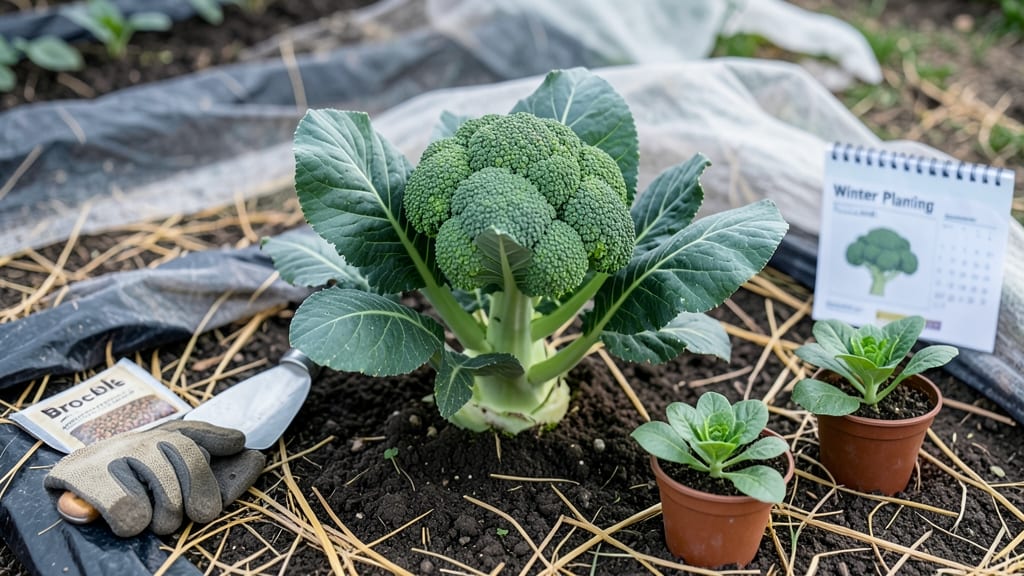
Planting a winter garden in Florida might seem tricky—after all, who needs frost warnings when your biggest worry is humidity? But timing still matters, and getting it right means the difference between a thriving 🥬 harvest and struggling plants that never quite reach their potential.
Unlike northern gardeners, Florida’s 8a-11 zones let you grow cool-season crops year-round, but even here, the calendar plays a key role. Start too early, and summer’s lingering heat will slow growth; too late, and you’ll miss the sweet spot for crisp greens and tender roots before spring arrives.
The secret? Knowing exactly when to plant for your specific county’s microclimate.
In this guide, I’ll break down the ideal months for your winter garden—whether you’re in the Panhandle’s cooler pockets or Miami’s balmy shores—plus the best crops to grow and how to protect them from Florida’s rare but possible cold snaps.
No frost charts? No problem. We’ll focus on what actually works in the Sunshine State.
Ready to turn your fall planting into a winter feast? Let’s get those seeds in the ground at the perfect time—so you can enjoy homegrown goodness from October right through April. No guesswork, just frost-free success.
Florida winter garden planting calendar by county: frost dates and ideal months
Florida’s 10 distinct frost zones mean your winter garden planting schedule should vary dramatically from the Panhandle to Miami-Dade. Unlike northern states, frost is rare but possible in North Florida—especially in January and February—while South Florida enjoys frost-free winters year-round.
Understanding these microclimates ensures your leafy greens, brassicas, and root crops thrive without surprise chills.
For North Florida counties like Jacksonville, Gainesville, and Tallahassee, the average first frost date hovers around December 15–January 15, with a 10% frost probability by mid-January.
In contrast, Central Florida (Orlando, Ocala) sees frost once every 3–5 years, typically after January 10, while South Florida (Miami, Fort Lauderdale) remains frost-free 99% of winters. This guide breaks down ideal planting windows by region to maximize your harvest.
Key crops for Florida winter gardens include broccoli, cabbage, carrots, kale, lettuce, radishes, spinach, and turnips. Fast-maturing varieties like ‘Florida Broadleaf’ collards and ‘SuYo Long’ radishes are perfect for short-season windows, while slow-growing kale can stretch harvests into March or April. Herbs like cilantro, dill, and parsley also thrive in cooler weather, adding fresh flavors to winter meals.
In North Florida, start broccoli and cabbage seeds indoors in late August to transplant by September 15. These slow-to-mature crops need 100–120 days to harvest, so planting too late risks summer heat stress.
For fast harvests, opt for radishes (30 days) or lettuce (45 days), which can be sown directly in October for a December–January harvest before potential frost.
Central Florida gardeners have more flexibility due to warmer winters.
Begin leafy greens like spinach and kale in mid-September for a November–March harvest. Succession planting every 2–3 weeks ensures a steady supply. Root crops like carrots and beets thrive when sown in October, maturing by December–January before soil temperatures rise.
Use row covers if nighttime temps drop below 40°F.
South Florida’s frost-free winters allow for year-round planting, but heat tolerance varies
Best cold-hardy crops for Florida winter gardens: what to plant by zone
Florida’s winter garden thrives when you choose the right cold-hardy crops for your specific USDA zone. Unlike northern states, Florida’s mild winters allow year-round growing, but selecting fast-maturing varieties ensures success before spring heat arrives.
North Florida (zones 8a-8b) faces occasional light frosts, while South Florida (zones 9a-11) enjoys frost-free winters—meaning different planting strategies for each region.
For North Florida gardeners, focus on fast-growing greens and frost-tolerant brassicas like ‘Florida Broadleaf’ collards and ‘Top Bunch’ turnips. These varieties mature in 45-60 days, giving you a harvest before temperatures rise.
In Central Florida (zones 9a-9b), you can extend your season with SuYo Long radishes and ‘Winter Density’ lettuce, which thrive in cooler temps but won’t bolt in mild winters.
South Florida gardeners have the luxury of planting year-round, but winter is ideal for slow-bolting crops like ‘Black Seeded Simpson’ lettuce and ‘Red Malabar’ spinach. These varieties handle Florida’s humidity and warmth while delivering sweet, tender leaves.
Herbs like coriander and cilantro also flourish in winter, adding fresh flavors to your kitchen.
🌱 Top Florida Winter Crops by Region
- North Florida (Zones 8a-8b):
- ‘Florida Broadleaf’ collards (60 days)
- ‘Top Bunch’ turnips (50 days)
- ‘Purple Top’ broccoli (70 days)
- ‘Red Malabar’ spinach (45 days)
- Central Florida (Zones 9a-9b):
- ‘SuYo Long’ radishes (30 days)
- ‘Winter Density’ lettuce (50 days)
- ‘Blue Lake’ bush beans (60 days)
- ‘Cilantro’ herbs (50 days)
- South Florida (Zones 10a-11):
- ‘Black Seeded Simpson’ lettuce (60 days)
- ‘Carolina Gold’ collards (70 days)
- ‘Red Russian’ kale (60 days)
- ‘Scarlet Nantes’ carrots (70 days)
Pro Tip: Pair broccoli with radishes to deter pests and maximize space!
Don’t overlook flowers for winter interest—pansies and snapdragons thrive in Florida’s cool season, adding color to your garden while attracting pollinators. These frost-resistant blooms handle light frosts and even brighten up urban containers on balconies or patios.
For herbs lovers, parsley and dill grow well in winter, providing fresh flavors for soups and salads.
To maximize your winter harvest, succession plant fast growers like radishes and lettuce every 2-3 weeks from September through November.
This ensures a continuous supply of fresh greens without overcrowding. Mulch heavily with straw or pine needles to retain soil moisture and protect roots from temperature swings—especially critical in North Florida where nights can dip into the 40s°F.
With the right cold-hardy varieties and smart planting strategies, your Florida winter garden can be just as productive as your summer one—without the heat stress! Start with these region-specific crops, and soon you’ll be enjoying homegrown greens and herbs all winter long. 🌿