
Plants
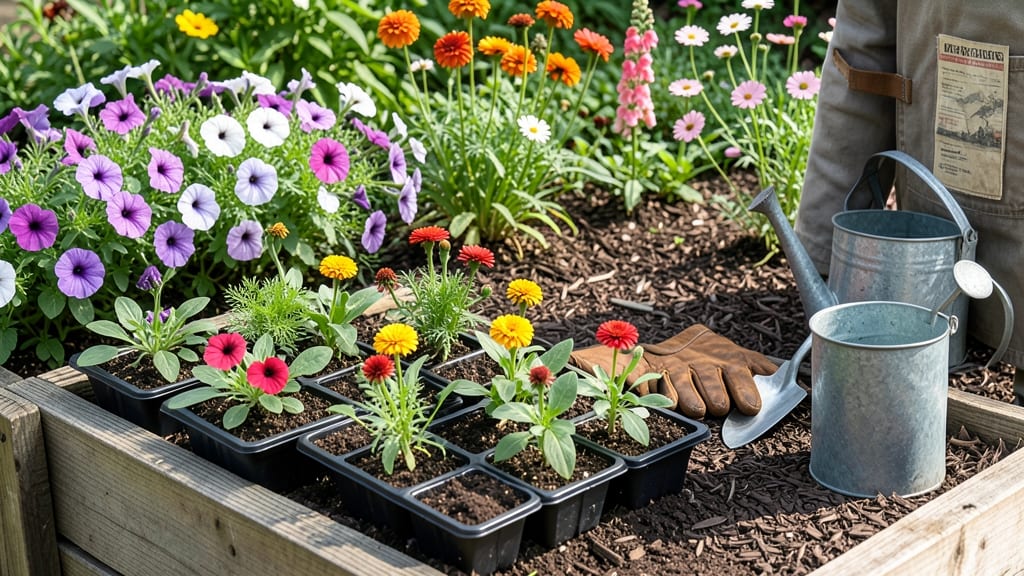
Timing your annuals planting in Chicago isn't just about the calendar—it's about beating the unpredictable spring frost that can turn your garden dreams into a sad, wilted reality.
With USDA Zone 5b's last frost often lingering into mid-May, knowing the exact window to plant your 🌱 favorites means the difference between a vibrant summer garden and a sad, frost-nipped disappointment.
Most gardeners make the mistake of rushing annuals into the ground too early, only to watch them wither under late frost. But here's the secret: the 10-day rule after your average last frost date is your golden ticket to success.
I've tested this method for years, and it consistently delivers the lush, blooming gardens Chicago gardeners dream of.
Whether you're dreaming of bold marigolds, crisp lettuce, or fragrant petunias, this guide will walk you through Chicago's planting timeline—from cool-season stars like pansies to heat-loving tomatoes. Let's dive into the exact dates and pro tips that will have your garden thriving all season long.
Ready to transform your garden into a showstopper? I'll show you how to use frost dates, soil prep, and even clever tricks like row covers to extend your growing season.
By the end, you'll know exactly when to plant annuals in Chicago—and how to keep them flourishing until the first frost.
Chicago’s annual planting timeline: frost dates and last-freeze averages
Chicago’s USDA Zone 5b climate means frost can strike anytime between April and November. Understanding these dates helps you avoid frost damage to tender annuals while maximizing your growing season.
The average last frost date is May 15, but early springs can push this to April 15, while late frosts may linger until June 1. Planning around these windows ensures your warm-season plants thrive.
For cool-season annuals like lettuce and spinach, you can start seeds indoors as early as March 1 or direct-sow outdoors by March 20.
These hardy plants tolerate light frosts, but heavy freezes (below 28°F) will kill them. Warm-season plants, including tomatoes and marigolds, need to wait until after the last frost date—typically May 15—to avoid damage.
Here’s how to use the 10-day rule: Wait 10 days after your average last frost date to plant heat-loving annuals. This buffer accounts for late frosts and gives seedlings time to establish roots.
For example, if your last frost is May 15, plant tomatoes around May 25 to minimize risk.
| Planting Window | Cool-Season Annuals | Warm-Season Annuals | Notes |
|---|---|---|---|
| Early Spring (Mar-Apr) | Lettuce, Spinach, Peas | None | Start indoors or use row covers |
| Post-Last Frost (May 15-25) | Kale, Radishes, Arugula | Tomatoes, Peppers, Basil | Wait 10 days after last frost |
| Late Summer (Aug-Sept) | Broccoli, Brussels Sprouts | Marigolds, Zinnias, Sunflowers | Plant for fall harvest |
| First Frost (Oct 15-Nov 1) | None (harvest before frost) | None (tender plants die) | Protect with row covers if needed |
Chicago’s first frost typically arrives between October 15 and November 1, but early frosts can occur as soon as September 20. Use this timeline to plan succession planting for fall crops like kale and radishes, which tolerate light frosts.
For warm-season annuals, harvest or dig up plants before the first frost to avoid root damage.
Microclimates matter! Urban areas like Downtown Chicago may experience 2-3°F warmer temperatures than suburbs due to heat islands. Adjust planting dates by 1-2 weeks earlier in these zones.
Conversely, windy areas like Lake Michigan shorelines can have colder microclimates, so delay planting by 1 week to account for chillier nights.
Monitor local forecasts and use frost-free date calculators (like the Old Farmer’s Almanac) for real-time updates. If you’re unsure, opt for fast-growing annuals like bush beans or radishes, which mature quickly and can handle cooler soils. Slow growers like tomatoes need the full 100-120 frost-free days Chicago typically offers.
Pro tip: Use row covers to extend your planting window by 2-4 weeks in spring or fall. These lightweight fabrics protect seedlings from light frosts (down to 25°F) and can push your last planting date into late September for hardy annuals like pansies.
For container gardening, warm-season plants like basil and geraniums can be moved indoors before frost, while cool-season greens can overwinter in pots with mulch protection. This flexibility lets you enjoy fresh herbs year-round, even in Chicago’s harsh winters.
Remember: Soil temperature matters just as much as air temperature. Use a soil thermometer to confirm 50°F+ for warm-season seeds—cold soil can delay germination by weeks. With these frost dates and tips, your annuals will thrive
Best annuals for Chicago’s short growing season: heat-tolerant and fast-growing picks
Chicago’s short growing season and unpredictable heat waves demand annuals that hit the ground running. The key is selecting fast-growing varieties that tolerate heat and humidity while thriving in USDA Zone 5b.
Whether you’re planting in early spring, post-last-frost, or late summer, these picks will give you bold blooms and lush foliage without the wait.
Urban gardeners and balcony planters can still shine with container-friendly annuals that adapt to limited space and fluctuating temperatures. I’ve curated this list to match Chicago’s three critical planting windows: early spring (March-April), post-last-frost (mid-May), and late summer (July-August).
Each pick is chosen for its speed, heat tolerance, or shade adaptability—because even Chicago’s shadier corners deserve color.
- 🌱 March-April (Early Spring): Plant cool-season annuals like pansies and snapdragons under row covers for frost protection. These bloom in 6-8 weeks and handle light frosts.
- 🌡️ Mid-May (Post-Last-Frost): Warm up your beds with heat-tolerant annuals like zinnia and marigold. These thrive in full sun and bloom in 4-6 weeks, perfect for summer-long color.
- ☀️ July-August (Late Summer): Extend your season with fast-growing cosmos and sunflower varieties. They tolerate heat and self-seed easily, giving you late-season blooms before frost.
- 🪴 Containers & Shade: Opt for impatiens or coleus in pots—they thrive in partial shade and grow quickly, ideal for balconies and patios.
- ✂️ Deadheading Tip: Pinch back spent blooms on annuals like zinnias to encourage bushier growth and prolong flowering through Chicago’s hot spells.
For urban gardeners with limited space, container-friendly annuals like bacopa and geraniums are game-changers. These spiller plants cascade beautifully over hanging pots and window boxes, adding vertical interest without stealing sunlight from other plants.
I’ve also included shade-tolerant picks like fuchsia and begonias for those north-facing patios that still crave color.
Heat tolerance is non-negotiable in Chicago’s summer humidity. Look for drought-resistant annuals like lantana or portulaca, which require minimal watering once established. These succulent-like plants store moisture in their leaves, making them ideal for forgetful gardeners or dry spells.
Pair them with mulch to retain soil moisture and reduce weeds—a must for busy urban gardeners.
Pro tip: Succession planting is your secret weapon for non-stop blooms. Sow fast-growing annuals like cosmos every 3-4 weeks from May through July. This ensures continuous color as older plants fade, giving you a longer display before Chicago’s first frost in October.
It’s also a great way to fill gaps left by bolting lettuce or finished veggies.
Don’t let Chicago’s short season limit your creativity. With the right heat-tolerant annuals and smart planting timing, you can enjoy vibrant gardens from spring to fall. Whether you’re a balcony gardener or a yard enthusiast, these picks will deliver results—no green thumb required. 🌻