
Plants
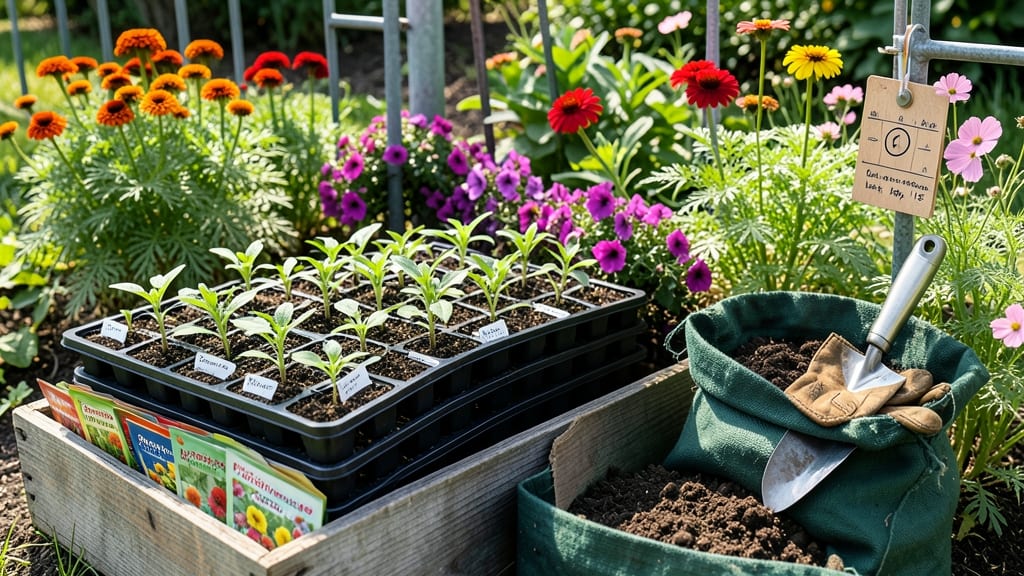
Planting annuals in Ohio at the wrong time means risking frost damage or missing the full bloom of your 🌸 garden—so getting the timing right is everything.
The key isn’t just checking a calendar but understanding your hardiness zone, soil temperature, and those tricky last frost dates that shift across the state.
Whether you’re dreaming of vibrant marigolds or crisp lettuce, knowing when to plant annuals in Ohio can mean the difference between a thriving garden and a disappointing one.
With Ohio’s USDA Zone 6a climate, timing matters more than you might think—especially when spring weather can swing wildly from week to week.
In this guide, I’ll break down the perfect planting windows for both spring and fall, including soil temperature tips and how to use row covers to extend your growing season. You’ll discover exactly when to start seeds indoors, when to transplant, and which annuals handle Ohio’s humidity and pests best.
Ready to transform your garden? Let’s dive into the most important steps to planting annuals at the right time—so you can enjoy a garden that blooms all season long.
Ohio hardiness zones and last frost dates: when to plant annuals by region
Ohio spans USDA Hardiness Zones 5 through 8a, meaning your planting window can shift dramatically depending on whether you're in northwest Ohio (Zone 5) or southeast Ohio (Zone 8a). These zones determine which annuals thrive and when you can safely plant them without risking frost damage.
For example, marigolds and zinnias love Ohio’s heat, but basil needs to wait until soil warms to 60°F or higher.
The last frost dates in Ohio range from mid-March in Zone 8a to late May in Zone 5, while first frost dates arrive as early as mid-October in northern areas or hold off until November in the south.
This variability means your planting calendar should align with your specific zone—not just the state average. For instance, gardeners in Columbus (Zone 6a) typically plant warm-season annuals like petunias after April 15, while those in Toledo (Zone 5b) wait until May 1.
| Zone | Avg. Last Frost | Avg. First Frost | Best Planting Window | Example Annuals |
|---|---|---|---|---|
| 5 (NW Ohio) | May 1-15 | Oct 15-30 | After May 15 (soil ≥60°F) | Marigolds, Zinnias, Basil |
| 6a (Central Ohio) | April 15-30 | Oct 1-15 | After April 15 (soil ≥55°F) | Petunias, Impatiens, Tomatoes |
| 7a (SE Ohio) | March 15-April 15 | Nov 1-15 | After March 20 (soil ≥50°F) | Pansies, Snapdragons, Lettuce |
| 8a (Far SE Ohio) | Feb 28-March 15 | Nov 15-30 | After Feb 20 (soil ≥45°F) | Calendulas, Nasturtiums, Spinach |
To pinpoint your exact planting window, use the USDA Interactive Plant Hardiness Map (available at [USDA ARS](https://planthardiness.ars.usda.gov/)) and enter your ZIP code.
This tool provides localized frost dates and helps you avoid common mistakes like planting tomatoes too early in Zone 5, where cold soil can stunt growth.
For example, in Cincinnati (Zone 6b), you can start warm-season annuals like basil indoors in March but delay outdoor planting until after May 1.
Soil temperature is just as critical as air temperature. Most warm-season annuals, including marigolds and zinnias, need soil to reach 60°F before planting. Use a soil thermometer to check—if it’s cooler, wait or opt for cold-hardy annuals like pansies or cabbage.
In Zone 7a, you might even squeeze in a fall planting of kale or radishes as early as August 15, giving them time to mature before frost.
Ohio’s microclimates add another layer of complexity. Urban areas like Columbus can be 2-3°F warmer than rural zones due to heat islands, while valleys often experience later frosts than nearby hills.
If you’re unsure, err on the side of caution: hardened-off seedlings can handle a light frost better than tender young plants. For herbs like basil, which bolt in heat, consider partial shade in Zone 8a during peak summer to extend their lifespan.
For vegetable annuals like peppers and eggplants, which thrive in 80°F+ soil, wait until after June 1 in Zone 5 or mid-May in Zone 7a. These plants are frost-sensitive and won’t recover if exposed to 32°F temperatures.
Meanwhile, cool-season annuals like lettuce and spinach can handle light frosts and are best sown 4-6 weeks before your last frost date.
Pro tip: Use row covers or cold frames to push your planting window 2-3 weeks earlier in spring or extend fall harvests by 4-6 weeks. For instance,
Spring vs. fall planting: which annuals thrive in Ohio’s climate and how to extend the season
Ohio’s unpredictable frost dates make timing critical for annuals. Spring-planted varieties like petunias and marigolds thrive when soil reaches 60°F, typically after mid-April in most zones. Fall favorites such as pansies and snapdragons handle cooler temps and even light frost, giving you a second blooming season.
Your choice depends on microclimates, soil warmth, and the annual’s frost tolerance. Northern Ohio’s shorter growing season demands earlier starts, while southern zones can extend fall plantings later. Let’s compare the best options for each season and how to push your garden’s limits.
Spring Planting Annuals
- Longer growing season
- More variety options
- Warmer soil promotes growth
- Risk of late frost damage
- Competition with weeds
- Requires consistent watering
Fall Planting Annuals
- Cooler temps reduce pests
- Extended blooms into winter
- Less competition from weeds
- Shorter daylight hours
- Limited variety choices
- Risk of early frost
For spring plantings, focus on heat-loving annuals like geraniums and zinnias. These need 6+ hours of sun and well-draining soil to thrive. Start seeds indoors 6-8 weeks before last frost for a head start. In Ohio’s Zone 5-6, aim for April 15-May 1 for direct sowing.
Fall plantings excel with cold-hardy varieties like pansies and stock. These tolerate 28°F temps and bloom beautifully through winter. Plant 6-8 weeks before first frost (typically September 1-October 15 in Ohio) when soil cools to 50-60°F.
Extend your season with row covers or cold frames to protect tender annuals. A simple floating row cover can add 4-6°F protection, letting you plant 2-3 weeks earlier in spring or hold off frost 2-3 weeks longer in fall.
For Zone 5-6, this means pushing limits from April 1 to November 15.
My top tip: Use a soil thermometer to track warmth. Spring annuals need 60°F+ soil, while fall varieties thrive at 50-60°F. In Ohio’s humid climate, mulch heavily to retain moisture and regulate soil temps—critical for vegetable starts like basil and peppers.