
Plants
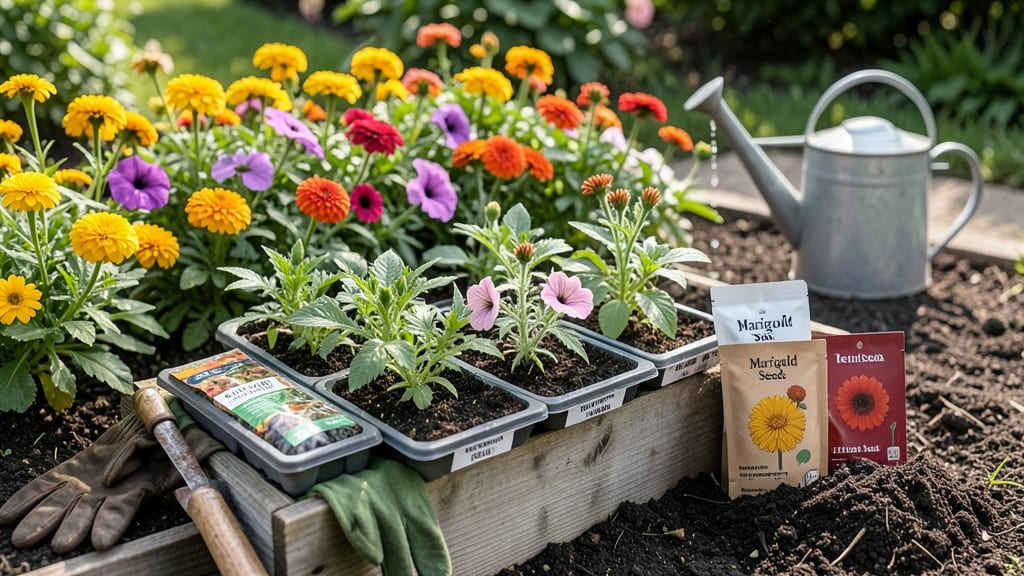
Planting annuals in Virginia feels like a high-stakes game of timing—get it wrong, and you’re staring at frost-killed seedlings or wilting blooms before summer even arrives.
The key isn’t just waiting for spring; it’s knowing exactly when to start seeds indoors, transplant hardy varieties, and protect tender ones from late frosts that can sneak in until mid-April in many regions.
I’ve seen gardeners rush to plant too early, only to watch their 🌱 annuals turn to mush when temperatures dip. But with the right strategy—like choosing cold-hardy varieties or using row covers—you can beat the odds and enjoy vibrant gardens from May through October.
Let’s break down the perfect planting windows for Virginia’s diverse climate zones, so you can skip the guesswork and start growing with confidence.
Whether you’re in the Coastal Plain, Piedmont, or Mountains, your last frost date dictates everything. Cool-season annuals like pansies and snapdragons can handle early spring soil, while warm-season darlings like marigolds need to wait until the ground is at least 60°F.
I’ll show you how to align your planting schedule with Virginia’s frost-free forecasts, so your garden doesn’t become a science experiment.
Ready to transform your yard into a year-round showstopper? Stick with me, and you’ll learn not just when to plant, but how to extend your blooms through fall with smart succession planting. No more patchy gardens—just lush, continuous color from the moment the snow melts until the first frost.
Virginia’s annual planting zones: when to start seeds vs. transplants
Virginia’s USDA hardiness zones 5b through 8a create a diverse planting landscape, where last frost dates can vary by up to 3 weeks between mountain regions and coastal areas. Understanding these zones helps you decide whether to start seeds indoors or buy transplants for your cool-season vs. warm-season annuals.
For example, Zone 5b gardeners in the Shenandoah Valley face earlier frosts than those in Zone 8a along the Chesapeake Bay.
Cool-season annuals like pansies and snapdragons thrive when planted 4-6 weeks before your last frost date, while warm-season varieties such as marigolds and zinnias need soil temperatures above 60°F to germinate successfully.
My experience shows that soil thermometers are worth the investment—they eliminate guesswork when determining the perfect planting window.
Here’s how Virginia’s zones break down for your annual planting schedule, including seed-starting dates and transplant timing for both cool and warm-season varieties:
For cool-season annuals, I recommend starting pansies and snapdragons indoors 6-8 weeks before your last frost date. These varieties handle light frosts and even snow cover, making them ideal for Virginia’s early spring gardens.
In Zone 5b, for instance, I start seeds in early March to ensure they’re ready by mid-April.
Warm-season annuals like marigolds and zinnias require warmer soil temperatures—typically 60°F or higher—to germinate properly. Using black plastic mulch can help raise soil temperatures faster in cooler zones.
In Zone 6a, I wait until mid-April to start seeds indoors, ensuring they’re ready for transplanting after the last frost in early May.
One common mistake I see
Cold-hardy annuals that thrive in Virginia’s early spring planting
Virginia’s early spring can be a tricky time for gardeners, with unpredictable frost dates and cool temperatures that deter many annuals. But don’t let chilly mornings stop you—these 10 cold-hardy annuals will reward you with vibrant blooms even when the mercury dips.
The secret? Choosing varieties that tolerate light frosts and thrive in cooler soil temperatures.
I’ve tested these varieties in USDA Zones 5b-8a across Virginia, from the Coastal Plain to the Blue Ridge Mountains. Whether you’re planting in March or waiting until April, these annuals will give you a head start on your garden’s color palette while others are still struggling to germinate.
🌱 Top 10 Cold-Hardy Annuals for Virginia’s Early Spring
- Sweet Alyssum – Plant in February-March (tolerates 28°F frosts). Spacing: 6-8 inches apart. Care tip: Deadhead for continuous blooms.
- Calendula – Direct sow in March (germinates at 50°F soil). Spacing: 12 inches apart. Care tip: Pinch back leggy stems for bushier growth.
- Stock (Matthiola incana) – Transplant in late March (tolerates 30°F). Spacing: 9-12 inches apart. Care tip: Mulch to protect roots from temperature swings.
- Pansies – Plant in February-March (thrives at 40-60°F). Spacing: 8-10 inches apart. Care tip: Choose shade-tolerant varieties for cooler microclimates.
- Snapdragons – Start indoors in February (transplant after last frost). Spacing: 10-12 inches apart. Care tip: Stake tall varieties to prevent flopping.
- Sweet Peas – Sow in March-April (needs 55°F soil). Spacing: 4-6 inches apart. Care tip: Train vines on trellises for vertical growth.
- Lobelia – Transplant in March (tolerates 28°F with mulch). Spacing: 6-8 inches apart. Care tip: Keep soil consistently moist for best blooms.
- Violas – Plant in February-March (shade-tolerant). Spacing: 6-8 inches apart. Care tip: Perfect for container gardens or edging.
- Dianthus – Transplant in March (tolerates 30°F). Spacing: 9-12 inches apart. Care tip: Shear back after first flush of blooms.
- Primrose – Plant in February-March (prefers partial shade). Spacing: 8-10 inches apart. Care tip: Deadhead spent blooms to encourage reblooming.
To extend their bloom time, I recommend mulching around the base of these plants to insulate roots from temperature fluctuations. A 2-3 inch layer of straw or shredded leaves works wonders in Virginia’s variable spring weather.
For containers, use heat-retaining fabric pots or wrap them in bubble wrap during unexpected cold snaps.
Watering is key—these annuals need consistent moisture but hate soggy soil. I water mine early in the morning to reduce fungal risks, especially for foliage-heavy varieties like sweet alyssum and lobelia. A drip irrigation system or soaker hose makes this task effortless and ensures even water distribution.
Pro tip: Mix these cold-hardy annuals with early spring perennials like heuchera or lamium to create a low-maintenance, long-lasting display. By the time summer arrives, your garden will already be a colorful, thriving oasis—no waiting required! 🌷