
Trees
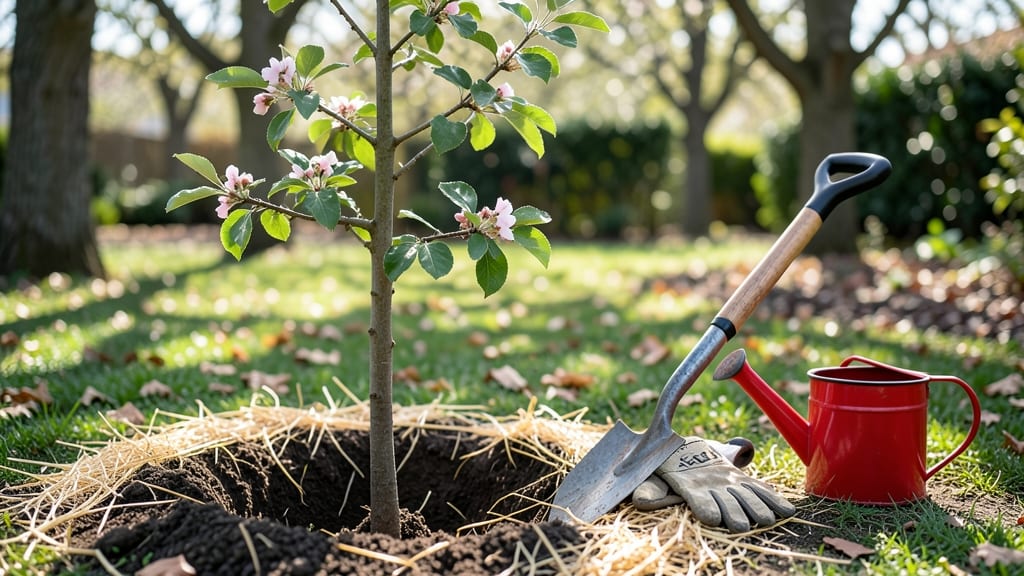
Timing your apple tree planting in South Carolina wrong could mean the difference between a thriving orchard and a sad pile of dead saplings. With USDA zones 7b-8a and unpredictable frost patterns, knowing the exact window to plant your 🍎 is everything.
Most gardeners assume spring is the only option, but fall planting can actually give your trees a head start. I’ll show you the precise months to plant based on your zone, plus how to adjust for SC’s microclimates—because what works in Charleston won’t always work in Greenville.
You’ll also discover which apple varieties thrive best in your area and how to time planting for maximum survival. No more guessing—just science-backed deadlines to ensure your trees take root before the first frost hits.
Ready to plant with confidence? Let’s break down the best times to dig in, from soil prep to frost-free deadlines tailored for South Carolina.
Best planting months in SC by hardiness Zone (7a-8b)
South Carolina’s USDA hardiness zones 7a-8b offer distinct planting windows for apple trees, where timing directly impacts survival and fruit production. In Zone 7a (cooler inland areas), frost can linger until mid-April, while Zone 8b (coastal regions) typically sees last frosts by mid-March.
Planting too early risks frost damage, while waiting too long delays root establishment.
For bare-root apple trees, the ideal window is late winter to early spring—February through March—when soil is workable but buds haven’t yet swollen. Container-grown trees offer more flexibility, allowing planting through April in Zone 7a and even into May in Zone 8b, provided soil stays moist.
Fall planting is not recommended for apple trees in SC due to winter chill requirements and the risk of late-season frosts. Unlike perennials, apple trees need time to establish roots before dormancy.
In Zone 7a, aim to finish planting by early April; in Zone 8b, extend to mid-April to avoid heat stress.
Here’s a zone-specific breakdown of your planting deadlines, including soil temperature thresholds and frost risk:
In Zone 7a, where frosts can occur until April 15, I recommend planting bare-root trees by March 1 to allow roots to establish before buds break. Use row covers if planting in late March to protect young shoots.
For Zone 8b, where frost risk is minimal, you can push planting to April 15 but prioritize soil moisture to prevent transplant shock.
Soil temperature is your best indicator of readiness. Use a soil thermometer to confirm temperatures above 50°F (10°C) at a 4-inch depth. In Zone 7a, wait until soil warms to 55°F (13°C) to avoid cold damage.
For container-grown trees, adjust planting dates by 2–4 weeks later to account for their established root systems.
If you miss the spring window, fall planting is risky for apple trees in SC. Unlike cool-season crops, apple trees require 600–1,000 hours of chill (temps below 45°F) to set fruit.
Planting in October or November may not provide enough chill hours, leading to poor yields. Instead, opt for container growing and transplant next spring.
Pro tip: Check local frost dates via the Clemson Extension Service or National Weather Service for your county. For example, Greenville (Zone 7b) averages its last frost on March 28, while Charleston (Zone 8b) sees frost by February 15. Adjust your timeline accordingly to avoid late-season damage.
Top apple tree varieties for SC and their ideal planting times
South Carolina’s diverse climate zones (7a-8b) make selecting the right apple tree varieties just as important as timing. The 'Ein Shemer' variety thrives in SC’s heat and humidity, while 'Gala' and 'Fuji' offer sweet rewards but need precise planting windows to avoid frost damage.
Let’s dive into the best choices and their optimal planting schedules for maximum yield.
For USDA Zone 7a-7b (Piedmont region), plant bare-root trees in late winter (February) or early spring (March) before buds swell. In Zone 8a-8b (Coastal Plain), extend your window slightly to March-April to escape earlier spring warmth.
Fall planting is risky in SC due to hurricane season and winter freezes, so stick to spring planting for best results.
Disease resistance is non-negotiable in SC’s humid climate. The 'Ein Shemer' variety resists fire blight and apple scab, making it ideal for Zone 7a-8a. 'Gala' and 'Fuji' varieties also perform well but require regular fungicide sprays during wet seasons. Always choose dwarf or semi-dwarf trees for easier maintenance in home gardens.
| Variety | Best SC Zones | Ideal Planting Time | Key Traits |
|---|---|---|---|
| 'Ein Shemer' | 7a-8a | Late Feb–March | Disease-resistant, early harvest |
| 'Gala' | 7b-8b | March–April | Sweet flavor, needs cross-pollination |
| 'Fuji' | 8a-8b | March–early April | Crisp texture, late harvest |
If you’re in Zone 8a-8b, prioritize 'Fuji' or 'Gala' for their longer growing seasons. Plant these varieties in March to ensure they mature before the first frost (mid-November).
For Zone 7a-7b, 'Ein Shemer' is your best bet—plant it in late February to give roots time to establish before spring warmth triggers growth.
Pro tip: Use a soil thermometer to confirm ground temps are above 40°F (4°C) before planting. Cold soil can stunt root growth, especially for bare-root trees. Amend your soil with compost and well-rotted manure to improve drainage, as SC’s clay-heavy soils can suffocate roots.
Mulch heavily with pine straw to retain moisture and regulate soil temps.
Remember, pollination partners are essential for fruit production. Plant at least two compatible varieties (e.g., 'Gala' + 'Fuji') within 50 feet of each other. In Zone 7a, consider adding a honeybee hive nearby to boost pollination rates during SC’s short bloom windows (typically March-April).
With the right variety and planting timing, your SC orchard can yield homegrown apples for decades. Start with disease-resistant varieties, plant in early spring, and watch your trees thrive—even in SC’s challenging climate! 🍏🌳