
Plants
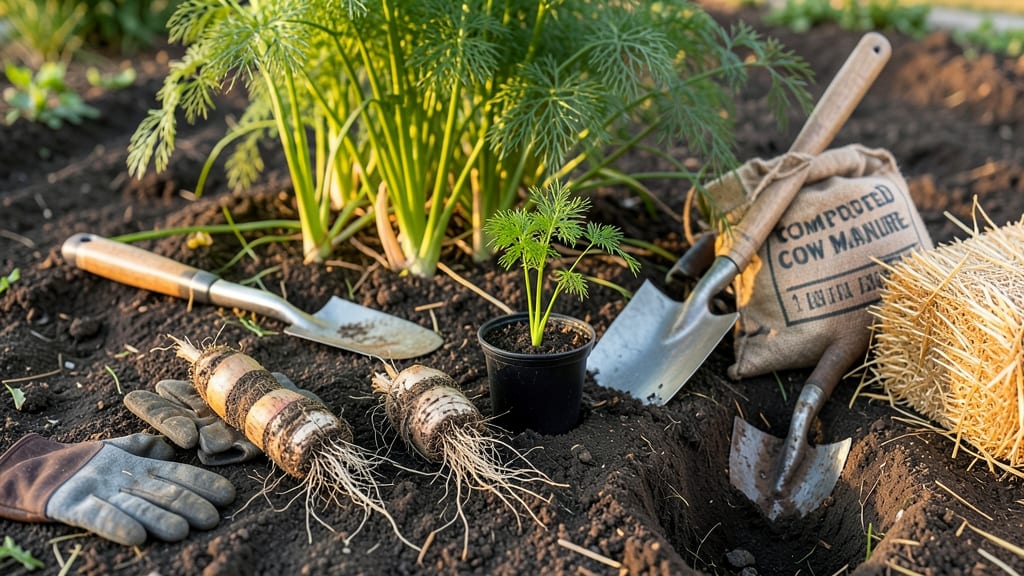
Planting asparagus in Zone 6 at the wrong time could mean waiting three extra years for your first harvest - and nobody wants that! The key to success lies in understanding your local frost dates and soil temperatures, which directly impact when those delicious spears will finally appear.
I’ve grown asparagus in Zone 6 for years, and what I’ve learned is that timing isn’t just about the calendar - it’s about preparing your soil and crowns the right way.
Whether you’re planting in early spring or considering fall as an option, getting this step right means the difference between a thriving patch and a frustrating wait. Let me walk you through exactly when and how to plant for that 3-year harvest you’ve been dreaming of.
Most gardeners in Zone 6a-6b reach for their crowns in early spring, but there’s actually a science to it. The ideal window opens when soil temperatures hit 50°F, typically 2-4 weeks before your last frost date.
This timing ensures your roots establish before summer heat sets in, setting you up for spears by your second or third growing season.
Ready to transform your garden into an asparagus powerhouse? I’ll break down the exact planting schedule, soil prep secrets, and even whether fall planting could work better for your specific microclimate.
Let’s get those crowns in the ground the right way - your future self (and your taste buds) will thank you!
Zone 6 asparagus planting calendar: exact dates for crown success
Planting asparagus crowns in Zone 6 requires precision—get the timing wrong, and you could delay your first harvest by a full year. The key is understanding soil temperature triggers and frost windows that define when roots establish before winter dormancy.
Unlike annuals, asparagus crowns need 2-3 years to mature, so planting at the right moment ensures faster spears in your third season.
In Zone 6, where last frosts typically arrive around mid-April and first frosts hit by mid-October, your planting window hinges on two critical phases: spring planting (ideal) and fall planting (riskier).
Spring planting gives crowns 6-8 weeks of warm soil before summer heat, while fall planting risks exposing roots to winter stress if planted too late. Let’s break down the exact dates and soil cues to maximize your success.
🌱 PRO TIP: Use a soil thermometer to confirm 50°F soil temps—the magic threshold for root growth in Zone 6. This usually aligns with late March to early April, but can shift 2-3 weeks based on microclimates.
For spring planting, aim to get crowns in the ground 2-4 weeks before your last frost date.
In most of Zone 6, this lands between late March and early April, but check your local USDA frost map—some areas (like western PA or upstate NY) may need to wait until mid-April.
The goal is to give roots 6-8 weeks of warm soil before summer dormancy kicks in.
If you’re tempted by fall planting, be cautious—it’s only viable in Zone 6b (warmer microclimates) and requires planting 8-10 weeks before first frost (typically late August to early September). Fall-planted crowns must establish roots before soil drops below 40°F, or they’ll rot over winter.
I’ve seen gardeners in central Virginia pull this off, but it’s a gamble in colder Zone 6a areas.
🌡️ WARNING: Never plant asparagus when soil temps are below 45°F—roots won’t initiate growth, and crowns may succumb to crown rot. Use a soil thermometer to double-check before planting.
Adjust your timeline if your area experiences unpredictable frosts. For example, if your last frost is 3 weeks later than average, shift planting to mid-April. Conversely, if early frosts threaten, delay until May and use row covers to extend the season.
In my Zone 6b garden in Maryland, I’ve planted as late as early May with success—just add a thick layer of straw mulch to insulate roots.
Once planted, focus
3 Critical factors that determine your asparagus harvest timing
Timing your asparagus harvest in Zone 6 isn't just about planting early—it's about understanding how soil temperature, crown maturity, and first-year care work together. In my garden, I've learned that even a 2-week delay in soil warming can push back harvests by a full season.
Zone 6's variable climate makes this even trickier, with unpredictable frost dates and soil moisture swings.
Let me break down the three factors that directly control when you'll see those first asparagus spears. Getting these right means the difference between a 3-year harvest and waiting 5+ years for spears to emerge.
The good news? With the right approach, you can accelerate your harvest timeline significantly, even in Zone 6's challenging conditions.
Asparagus crowns won't actively grow until soil temps hit 40°F consistently. In Zone 6, this usually happens by mid-April, but late frosts can delay it. I always check soil temp with a thermometer—planting too early in cold soil stresses roots and delays spear production by 4-6 weeks.
First-year crowns focus on root establishment, not spears. By Year 2, mature crowns produce 10-20 spears per plant. I've seen gardens skip Year 2 harvests entirely because they didn't provide adequate phosphorus (5-10-10 fertilizer) during Year 1—critical for crown development.
Proper first-year care can increase Year 2 harvests by 30%. This means mulching deeply (4-6 inches), watering consistently (1-2 inches weekly), and avoiding nitrogen (which promotes foliage over spears). My Zone 6 asparagus beds that follow this rule produce spears 2 weeks earlier than neglected ones.
One common mistake in Zone 6 is assuming fall planting will yield faster results. While fall planting is possible, the crowns need 6-8 weeks to establish roots before winter dormancy.
If your last frost hits early (like mid-October in 6b), fall-planted crowns may struggle to root deeply enough, pushing back Year 1 growth and delaying Year 2 harvests by 3-4 weeks.
To troubleshoot delays, start by testing your soil pH—asparagus thrives at 6.5-7.5. In my garden, amending clay-heavy Zone 6 soil with compost and sand improved drainage and advanced spear emergence by 10 days.
Also, monitor for asparagus beetles—their larvae can chew through spears before they emerge, turning a potential harvest into a lost season.
Remember, asparagus is a perennial with a 3-year payoff cycle. The investments you make in soil prep, crown selection, and first-year care now will determine whether you're enjoying spears by Year 2 or waiting until Year 4.
In Zone 6, where growing seasons can be short and unpredictable, these factors aren't just important—they're make-or-break for your harvest timeline.