
Plants
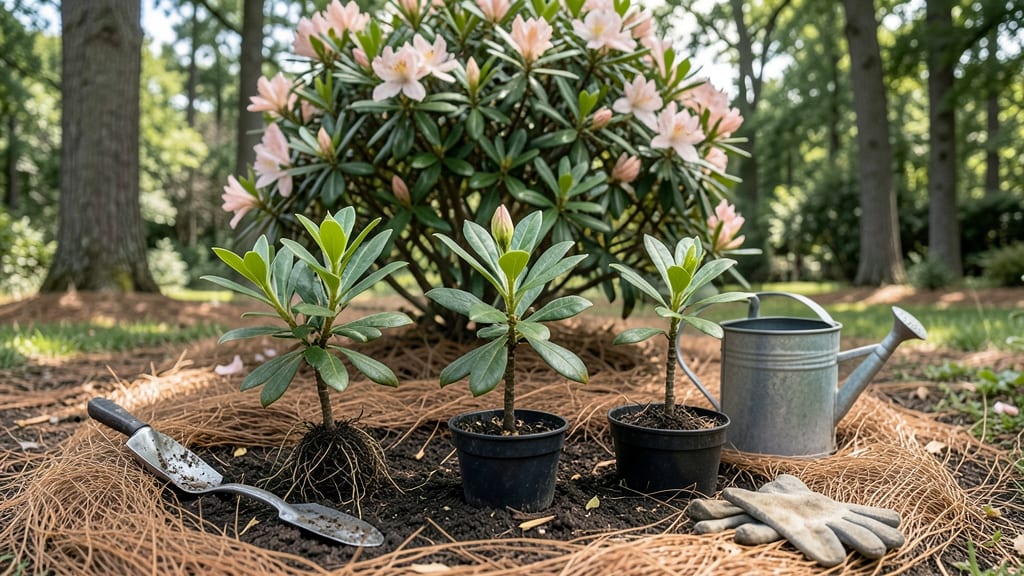
Planting azaleas in Florida isn’t just about grabbing a 🌸 and sticking it in the ground—timing makes all the difference between thriving shrubs and struggling survivors. The key is avoiding the brutal summer heat or late-winter frost risks that can stunt your azaleas before they even get started.
Most Florida gardeners swear by fall planting—between September and November—when temperatures cool down just enough for roots to establish without stress. But if you’re in South Florida’s frost-free zones (like Miami), early spring (February–March) can also work wonders, giving your azaleas a head start before the real heat arrives.
Why does this matter? Because azaleas hate extremes: too early, and they’ll bake in the sun; too late, and they might not root before winter’s chill sets in.
I’ll break down the best strategies for your specific region—whether you’re in North Florida’s 8a zone or South Florida’s balmy 11—so you can plant with confidence.
Ready to skip the guesswork? Let’s dive into the exact months, soil prep tips, and care tricks that’ll help your azaleas bloom like pros—no matter where you are in the Sunshine State.
Optimal planting months for Florida azaleas by region
Florida’s diverse climate—from North Florida’s occasional frost to South Florida’s frost-free winters—means azalea planting windows vary dramatically. Evergreen varieties (like Rhododendron ‘Southern Indica’) thrive year-round in the south, while deciduous types (such as Rhododendron ‘Girard’s Pink’) need cooler temperatures to establish roots.
Let’s break down the best months for each region to maximize root growth and bloom potential.
In North Florida (USDA Zones 8a-8b), where light frosts can occur, aim for fall planting (September–November) to give roots time to establish before winter. Central Florida (Zone 9a) offers a longer window—August through March—while South Florida (Zones 10a-11) allows year-round planting, though summer heat requires extra care. Soil temperature is your best guide: roots thrive when soil stays between 60–70°F.
Evergreen azaleas (like ‘Amabilis’) prefer cooler fall months to avoid summer stress, while deciduous varieties (like ‘Hino Crimson’) can handle early spring planting (February–March) as temperatures rise. Acidic, well-draining soil (pH 4.5–6.0) is non-negotiable—Florida’s native sandy soils often need peat moss or pine bark amendments to meet these needs.
🌸
| Region | USDA Zone | Best Planting Months | Soil Prep | Moisture Needs | Temperature Threshold |
|---|---|---|---|---|---|
| North Florida | 8a-8b | September–November (fall) or February–March (early spring) | Amend with peat moss or sulfur to lower pH; mulch heavily (3–4 inches) | Consistently moist (1–2 gallons per plant weekly); reduce in winter | 60–70°F soil temp; avoid planting when night temps drop below 50°F |
| Central Florida | 9a | August–March (avoid peak summer heat) | Add pine bark fines for drainage; test pH every 2 years | Deep watering every 7–10 days; drought stress is common in summer | 65–75°F soil temp; avoid planting when temps exceed 90°F |
| South Florida | 10a-11 | Year-round, but October–March ideal for evergreens | Use container mixes with perlite; elevate containers for drainage | Daily watering in summer (1–2 gallons); reduce to bi-weekly in winter | 70–80°F soil temp; provide afternoon shade in summer |
| Variety-Specific Notes | |||||
| Evergreen Azaleas (e.g., ‘Southern Indica’) | Plant in fall or early spring; avoid summer due to heat stress. Mulch with pine straw to retain moisture. | ||||
| Deciduous Azaleas (e.g., ‘Girard’s Pink’) | Best planted in early spring (February–March) to align with new growth cycles. Prune after blooming to encourage flowering. | ||||
For North Florida gardeners, focus on fall planting to avoid winter dormancy stress. Central Florida’s extended window lets you plant in late summer if you provide extra shade and daily watering.
Meanwhile, South Florida’s frost-free climate allows year-round planting, but summer heat demands container growing or deep shade for young plants.
After planting, mulch with 3–4 inches of pine bark to lock in moisture and regulate soil temperature. Evergreen azaleas benefit from morning sun and afternoon shade, while deciduous types can tolerate slightly more sun once established. Water deeply (1–2 gallons per plant) every 7–10 days, adjusting for rainfall.
Avoid overhead watering to prevent fungal diseases like powdery mildew.
Pro tip: Test your soil’s pH before planting—Florida’s alkaline soils often need sulfur or peat moss to reach the ideal 4.5–6.0 range. Container-grown azaleas are easier to establish because their roots aren’t disturbed, making them a great choice for summer planting in hotter regions.
If you’re planting in summer months, choose a north-facing spot and water twice daily until roots establish (about 6–8 weeks).
🪴
One common mistake is planting too late
Critical signs your azalea planting timing is wrong (and how to Fix it)
Your azaleas might be sending silent SOS signals if you planted them at the wrong time. Wilting leaves or yellowing foliage within weeks of planting often mean heat stress from summer planting or root shock from late-season planting.
Even stunted growth after a year suggests poor timing—especially in Florida’s humid microclimates where timing can make or break your shrub’s survival.
Florida’s USDA Zones 8a-11 create unique challenges. In North Florida, planting after November 15 risks frost damage, while South Florida’s frost-free window allows year-round planting—but even there, summer heat can stress young roots.
The key is understanding your plant’s root establishment window, which typically takes 6-8 weeks before winter dormancy kicks in.
⚠️ callout-warning ⚠️
- 🌡️ 90°F+ temps during planting = heat shock (leaves curl, brown edges)
- No new growth by March 1 = roots didn’t establish before dormancy
- Fungal spots (black/yellow patches) = overwatered soil from poor timing
Let’s decode the 3 most common timing mistakes and their fixes. First, planting in summer (June-August) triggers heat stress. Your azalea’s roots need 60-70°F soil temps to establish—any hotter, and they’ll suffocate.
Solution: Shade cloth (30-50%) and daily watering (1-2 gallons per plant) for the first 30 days.
Second, late fall planting (December-January) in North Florida risks frost damage before roots establish. If you see brown leaf edges or crispy foliage by February, your azalea didn’t have time to harden off.
Fix this by planting by November 1 or using row covers if you must plant later. For South Florida, December is actually safe—just avoid overwatering during the dry season.
Third, spring planting (April-May) often leads to bloom failure because azaleas need 6-8 weeks of cool weather to set buds. If your plant skips flowering the first year, it’s a timing red flag.
Adjust by planting in September instead—this gives roots time to establish before winter dormancy and ensures next spring’s blooms.
Before replanting, run this 3-step checklist: 1. Test soil pH (aim for 4.5-6.0—use vinegar test or digital pH meter) 2. Amend soil with sulfur if pH >6.0 or lime if <6.0 (but azaleas hate lime!)
3. Water deeply 2x/week for 4 weeks post-planting to encourage root growth 🌱 Pro Tip: Evergreen azaleas need more shade than deciduous types—place them where they get morning sun only.