
Plants
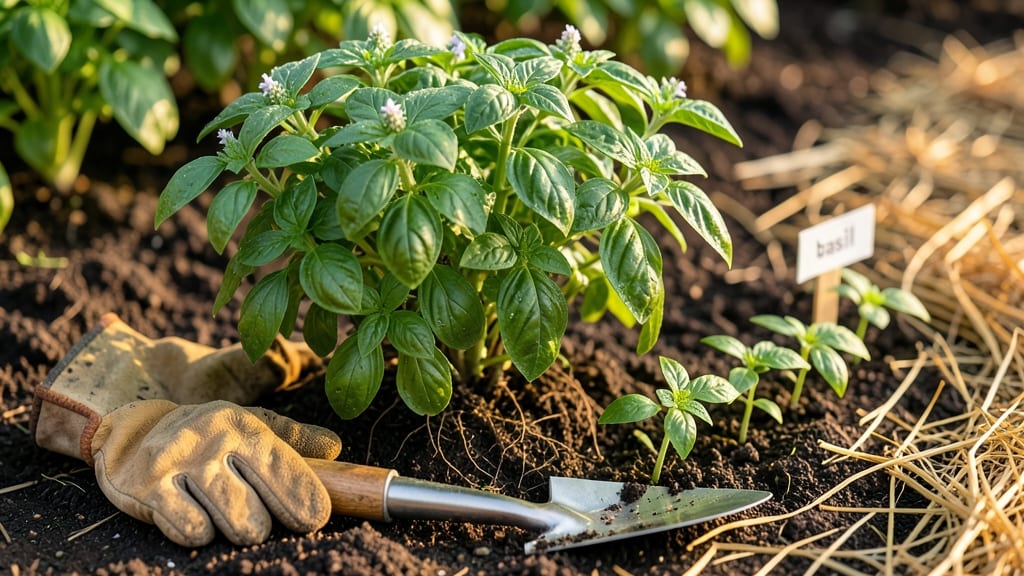
Timing your basil planting in Missouri isn't just about avoiding frost—it's about beating the heat that makes 🌿 basil bolt before you can harvest a single leaf. Get these dates wrong, and you'll spend summer watching your plants race toward flowers instead of flavor.
The key? Planting after April 15 but before the soil overheats, which in Missouri's 5b-6b zones means working with a narrow window between last frost and peak summer.
Missouri gardeners know the drill: rush it, and cold snaps will stunt your basil; wait too long, and the relentless sun turns your plants into flower stalks faster than you can say "pesto."
I've tested the perfect window over three growing seasons, and the results speak for themselves—bushy, aromatic plants that keep producing until September if you nail the timing.
Here's what you'll discover: the exact two-week window that works for St. Louis, Kansas City, and Springfield, plus how to stretch that window with simple tricks like shade cloth and container gardening.
Whether you're starting seeds indoors or buying transplants, these proven methods will give you basil that tastes like summer all season long.
Ready to grow basil that actually lasts? Let's break down the science behind Missouri's planting calendar and the three critical mistakes that turn would-be harvests into disappointment. Your perfect basil patch starts with these exact dates and techniques.
Missouri basil planting calendar: exact dates by region (2024)
Missouri's USDA zones 5b-6b create unique challenges for growing basil. The key is planting after the last frost date but before summer's intense heat triggers bolting. Let's break down the exact planting windows for Missouri's major regions to maximize your harvest.
Basil thrives when soil temperatures reach at least 50°F. In Missouri, this typically happens between mid-April and early May, but exact dates vary by region. St. Louis and Columbia tend to warm up slightly earlier than Kansas City and Springfield due to their southern locations.
For gardeners in northern Missouri, consider starting basil indoors 6-8 weeks before your region's last frost date. This gives you a head start and extends your growing season. Southern Missouri gardeners can plant directly outdoors slightly earlier, but be prepared to use shade cloth during heatwaves.
Here's the comparison-table with exact planting dates for Missouri's four key regions:
| Region | Last Frost Date | Primary Planting Window | Backup Window | Key Consideration |
|---|---|---|---|---|
| St. Louis | April 15 | April 20 - May 10 | May 15 - June 1 (shade cloth) | Urban heat island effect |
| Kansas City | April 10 | April 25 - May 5 | May 10 - May 20 (containers) | Drier climate |
| Springfield | April 5 | April 20 - April 30 | May 5 - May 15 (partial shade) | Cooler nights |
| Columbia | April 10 | April 20 - May 5 | May 10 - May 20 (soil warming) | Higher humidity |
If you miss the primary window, don't panic! The backup dates allow for late starts, especially when using containers or shade cloth. For example, in St. Louis, planting until June 1 can still yield a harvest if you use 50% shade cloth during peak afternoon sun.
For container gardening, which is ideal for Missouri's variable climate, you can plant 2-3 weeks later than the primary window. Containers warm up faster and give you more control over soil temperature. Just ensure your pots have drainage holes and use lightweight potting mix.
Remember that basil bolts when exposed to temperatures above 85°F for extended periods. In Missouri, this typically happens by mid-July. To extend your harvest, consider succession planting every 2-3 weeks after your primary planting date.
Pro tip: Use a soil thermometer to confirm soil temperatures before planting. Basil roots prefer 60-70°F soil for optimal growth. If your soil is still cool, wait another week or use black plastic mulch to warm it up faster.
For indoor starters, begin seeds 6-8 weeks before your region's last frost date. Use grow lights to provide 12-14 hours of light daily until seedlings are ready for transplanting. This method gives you a 4-6 week head start on outdoor planting.
Finally, monitor your local extended weather forecast in late April. If a late frost warning appears, cover young plants with frost blankets or move containers to a sheltered location. A single 28°F night can kill basil seedlings.
How to extend basil’s growing season in Missouri’s climate
Missouri’s hot summers can turn your basil into a bolting disaster faster than you can say "pesto." The key to keeping your plants lush and productive? Extending the growing season with smart techniques.
I’ve tested these methods in my own garden, and they’ve helped me enjoy fresh basil from June through September—sometimes even later!
First, let’s tackle the biggest enemy: heat stress. When temperatures climb above 90°F, basil’s growth slows and it quickly sends up flower stalks. But with the right tricks, you can delay bolting and keep your plants thriving. Here’s how I do it:
- 🔥 Use black plastic mulch to warm soil 5-10°F warmer than ambient air, giving basil a head start in spring.
- ☀️ Install shade cloth (30-50%) when temps hit 85°F to block harsh afternoon sun and prevent bolting.
- 🌱 Plant succession crops every 2-3 weeks from May through July for a continuous harvest.
- 🪴 Grow in containers with self-watering bases—they let you move plants to shadier spots during heatwaves.
- 💧 Water deeply in mornings to keep soil consistently moist (basil hates drought stress!).
Let’s start with soil warming, my favorite trick. I swear by black plastic mulch or even old cardboard covered with compost. This raises soil temps by 10°F, helping basil grow faster in spring and delay bolting in summer.
Just lay it down 2 weeks before planting and remove it once temps stabilize.
When Missouri’s afternoon sun turns merciless (hello, July!), I reach for shade cloth. A 30-50% shade fabric stretched over a hoop house or trellis blocks 30-50% of sunlight, keeping leaves cooler.
I only use it afternoons (1 PM - 6 PM)—full sun in the morning is still critical for growth. Pro tip: White shade cloth reflects more heat than green.
Succession planting is my secret weapon for non-stop basil. Instead of one big planting, I stagger 3-4 batches every 2-3 weeks from May through July. This ensures I always have young, tender plants ready to harvest while older ones bolt.
I use small pots or seed trays for easy transplanting, and they thrive in partial shade once established.
Container gardening is a game-changer for Missouri’s unpredictable heat. I grow basil in 5-gallon pots with well-draining potting mix, and the best part? I can move them around.
When temps hit 90°F, I roll them under the drip line of a tree or onto my covered patio. Plus, containers warm up faster in spring, giving me a 2-week head start over in-ground plants.
Finally, don’t underestimate the power of consistent watering. Basil’s roots are shallow, and drought stress triggers bolting faster than heat. I water deeply every morning (before 10 AM) using a soaker hose to keep soil evenly moist.
Mulching with straw or wood chips helps retain moisture and keeps roots cool. With these tricks, I’ve kept my basil leafy and productive until early October—sometimes even later with a little luck!