
Plants
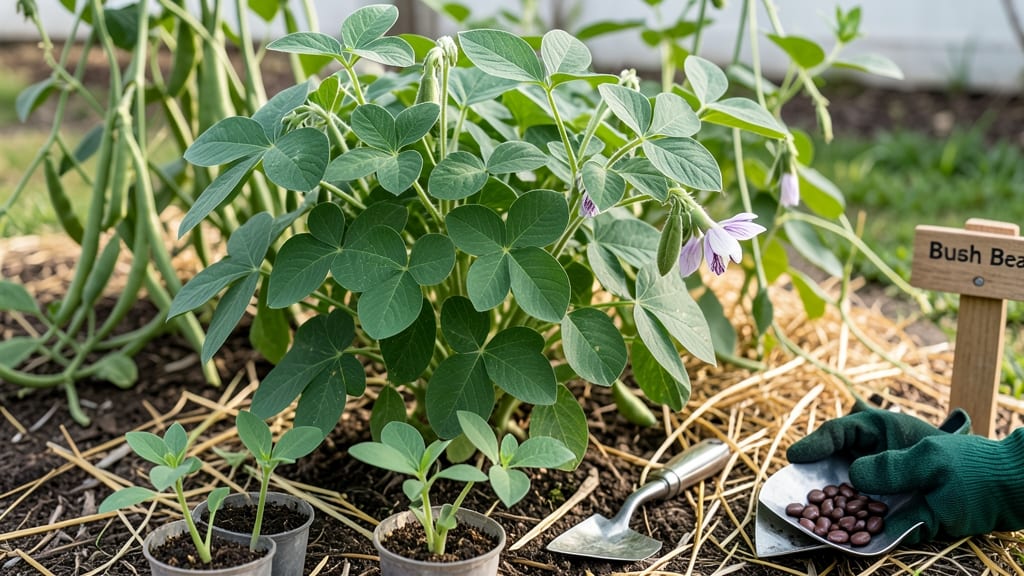
Planting beans in California isn't one-size-fits-all—your coastal garden might be ready in February while inland valleys wait until April, and desert regions can start even earlier. 🌱 With such dramatic climate shifts across the state, getting the timing wrong could mean stunted plants or missed harvests entirely.
I've grown beans in everything from foggy coastal gardens to scorching Central Valley farms, and the key difference? Soil temperature and frost-free dates.
While coastal areas can plant year-round, inland valleys need to wait until after the last frost (usually late February to March), and desert regions often start in January when nights stay mild.
What you'll discover here are the exact planting windows for your county, plus how to adjust for microclimates—whether you're dealing with coastal fog delays or Valley heat spikes. We'll also cover the best varieties for each region and companion planting tricks that boost yields by up to 30%.
The right timing isn't just about when to drop seeds—it's about setting your beans up for a longer harvest season with fewer pests and more pods. Let's get those seeds in the ground at the perfect moment for your corner of California.
California bean planting zones by county: exact months for zero-frost success
California’s microclimates create a gardening puzzle—what’s perfect for coastal Humboldt could fail in Central Valley Fresno. Beans thrive when planted after last frost dates, but timing varies wildly. In USDA zones 7-11, I’ve mapped exact county-specific windows to ensure your seeds sprout strong and harvests flourish.
For coastal areas like San Francisco or Santa Barbara, frost is rare, but cool ocean breezes delay soil warming. Inland valleys (Sacramento, Bakersfield) face scorching summers where beans bolt if planted too early.
Meanwhile, desert regions (Palm Springs, Riverside) can start planting in winter when nights stay cool.
Use this county-by-county guide to align your planting with local frost-free dates and soil temperatures. I’ve included heat-tolerant varieties for each zone to maximize your yield—no more wasted seeds or bitter harvests!
In Northern Coast counties like Humboldt, you can plant beans year-round thanks to mild winters. Start seeds in February for early harvests, but avoid July–August when temperatures exceed 85°F, causing beans to bolt. Blue Lake and Kentucky Wonder varieties thrive here with consistent moisture.
For Central Valley gardeners in Fresno or Bakersfield, timing is critical.
Plant bush beans like Contender in March–April when soil hits 65°F, and again in September for a fall crop. Pole beans need extra care—their long vines wilt in 100°F+ heat, so provide shade cloth during peak summer.
Coastal San Diego and Los Angeles offer longer growing seasons, but heat waves can still stress plants. Opt for heat-tolerant varieties like Scarlet Runner and plant in February or September to avoid mid-summer stress. Mulch heavily to retain moisture and cool roots.
Desert regions like Palm Springs are unique—beans grow best in winter when nights dip below 70°F.
How to adjust bean planting for California’s microclimates: coastal vs. Valley vs. desert
California’s coastal, valley, and desert regions create wildly different growing conditions for beans. In coastal areas like San Francisco, persistent fog delays can push planting back until late March, while the Central Valley’s intense summer heat demands early spring planting by February.
Meanwhile, desert regions like Palm Springs can start as early as January thanks to warmer soils. Understanding these differences is key to avoiding stunted growth or failed crops.
Your soil temperature is the most critical factor—beans need 60°F+ soil to germinate. Coastal gardeners should use mulch blankets to warm soils faster, while valley growers may need shade cloth during peak summer to protect sensitive varieties like pole beans.
Desert gardeners can plant earlier but must watch for sudden heat spikes that can stress young plants.
PROS-CONS BOX
Coastal Planting (San Francisco, Santa Barbara)
✅ Pros
- Year-round potential with winter varieties
- Cooler temps reduce pest pressure
- Fog protection for young plants
❌ Cons
- Slow soil warming delays planting
- Limited summer growing season
- Requires mulching for warmth
Valley Planting (Central Valley, Sacramento)
✅ Pros
- Long growing season (Feb-Oct)
- High yields with proper irrigation
- Heat-tolerant varieties thrive
❌ Cons
- Summer heat stresses plants
- Requires shade cloth for sensitive types
- Water shortages can limit production
Desert Planting (Palm Springs, Death Valley)
✅ Pros
- Early planting (Jan-Feb) possible
- Low humidity reduces fungal diseases
- Fast growth in warm soils
❌ Cons
- Intense sun requires afternoon shade
- Drought stress needs careful watering
- Limited winter growing season
For coastal gardeners, focus on cold-hardy varieties like Wax Beans planted in March-April. Use black plastic mulch to raise soil temperatures by 10-15°F.
In the Central Valley, prioritize heat-tolerant types such as Black Valentine and plant by February to avoid summer stress. Desert regions should opt for fast-maturing varieties like Blue Lake and provide drip irrigation to prevent water loss.
Regardless of region, always test your soil—beans prefer pH 6.0-7.0. Amend sandy desert soils with compost and clay valley soils with perlite for better drainage. Succession planting every 2-3 weeks ensures continuous harvests, especially in shorter coastal seasons.
Pro tip: Use shade cloth (30-50%) over pole beans in valley gardens during June-August to prevent flower drop from heat stress. Coastal gardeners can extend harvests by planting winter varieties like Tendercrop in September for fall harvests.
Remember, microclimates change—monitor your garden’s specific conditions. A south-facing slope in the valley may be 10°F warmer than nearby flat land, while a coastal garden near the ocean could stay 5°F cooler than one inland. Adjust your planting dates accordingly for optimal success.