
Plants
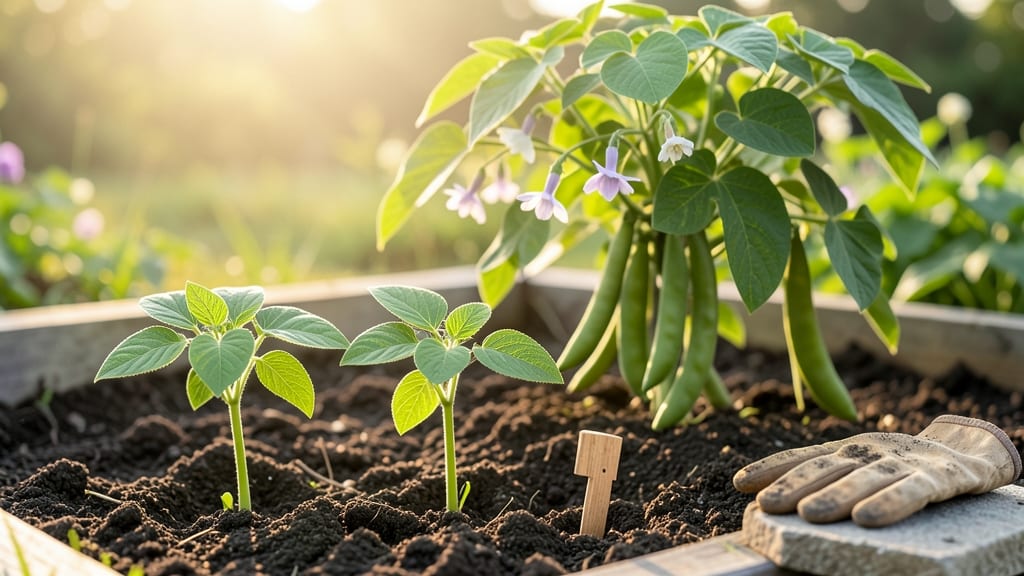
Planting beans in Iowa at the wrong time could leave you with stunted 🌱 plants—or worse, no harvest at all. The key to success lies in those critical two-week windows after the last frost, when soil temperatures climb to 60°F and stay there.
Iowa’s short growing season means you’ve got to move fast, especially if you’re growing pole beans that need 70+ days to mature. Get the timing right, and you’ll enjoy fresh snap beans from July through September; get it wrong, and you might as well have skipped the garden entirely.
In this guide, I’ll break down the exact dates for planting bush beans, pole beans, and specialty varieties—plus how to adjust for Iowa’s unpredictable weather. Whether you’re a first-time gardener or a seasoned pro, these insights will help you maximize your yield.
We’ll also cover succession planting tips to stretch your harvest and local Iowa-specific advice for dealing with late frosts or heatwaves. Ready to turn your garden into a bean bonanza? Let’s get started.
Iowa bean planting calendar: exact dates by variety for maximum yield
Iowa’s short growing season demands precision when planting beans—just a few weeks off can mean the difference between a thriving crop and a failed harvest. With USDA zones 4-5 and last frost dates ranging April 15-30, timing matters more than you might think.
Whether you’re growing bush beans, pole beans, or lima beans, aligning your planting with Iowa’s climate ensures maximum yield and flavor.
Most bean varieties thrive when planted after the soil warms to 60°F (15°C), which typically occurs in late April to early May in Iowa. However, early varieties like ‘Blue Lake’ bush beans can handle cooler soils, while heat-loving varieties like ‘Kentucky Wonder’ pole beans need warmer conditions.
Below, I’ve broken down the exact planting windows for Iowa’s most popular bean types, including succession planting tips to extend your harvest.
For bush beans, I recommend starting seeds indoors in late March and transplanting after the last frost.
This gives them a head start and ensures an earlier harvest before Iowa’s summer heat sets in. Pole beans, on the other hand, benefit from direct sowing in early May when the soil is consistently warm. Their longer growing season means they’ll produce pods well into late summer.
If you’re aiming for a continuous harvest, practice succession planting every 2 weeks from May through June. This works especially well for bush beans and snap beans, which mature quickly.
For example, plant a new row of ‘Blue Lake’ beans on May 1, May 15, and June 1 to enjoy fresh pods from July through August.
One common mistake Iowa gardeners make is planting beans too early. Cold, wet soil can stunt germination and invite fungal diseases. Always check soil temperature with a soil thermometer—aim for 60°F (15°C) or warmer.
If your area experiences a late frost (which happens often in USDA zone 4), use row covers to protect young seedlings until temperatures stabilize.
For late-summer planting, focus on <
How to adjust planting dates for Iowa’s unpredictable weather patterns
Iowa’s unpredictable spring weather can throw off even the most experienced gardeners. One year, the last frost hits in mid-April, while the next, you’re still shoveling snow in early May.
For beans—with their 60°F soil temperature requirement—this variability means the difference between a thriving crop and a failed attempt. The key? Flexibility in your planting strategy.
Start by monitoring local frost forecasts from the National Weather Service or Iowa State University Extension. Their historical frost data for your specific county will help you calculate a backup planting window.
For example, if your average last frost is April 15 but you’ve had late frosts as late as May 1, consider planting early-maturing varieties like ‘Blue Lake’ bush beans by April 10 with a second planting of ‘Kentucky Wonder’ pole beans on May 15.
⚠️ callout warning ⚠️
🌱 Late Frost Risk?
Never plant beans before May 10 in Iowa’s northern regions (USDA Zone 5a) without protection. Use row covers or wait until soil stays above 60°F for 5+ days. Even pole beans can’t recover from frost damage—1 inch of frost-killed growth stunts the entire plant.
Pro Tip: Test soil temperature with a soil thermometer at 4-inch depth in the morning. If it dips below 55°F, delay planting by 7-10 days.
For heatwaves, which can stress young bean plants, opt for shade cloth during the hottest afternoons or choose heat-tolerant varieties like ‘Black Valentine’ or ‘Scarlet Runner’. If temperatures exceed 90°F for 3+ days, beans may stop flowering, reducing your harvest.
In these cases, succession plant every 2 weeks from late May through June 15 to stagger maturity and avoid losing your entire crop to heat stress.
Excessive rainfall is another Iowa challenge. Beans need well-draining soil, so if your garden sits in a low spot, raise beds or plant on mounds. Overwatered beans develop root rot or powdery mildew, so always pair planting with mulch (straw or grass clippings) to regulate moisture.
If you’ve had 3+ inches of rain in 48 hours, delay planting until the soil dries enough to crumble in your hand.
Create a backup planting schedule based on your beans’ days to maturity. For example, if ‘Blue Lake’ takes 55 days to harvest, plant a second batch on June 1 to ensure pods are ready before the first frost (typically October 15).
This strategy extends your harvest window by 4-6 weeks and protects against early-season setbacks.
Finally, keep a gardening journal to track Iowa’s microclimates. Note which areas of your yard warm up fastest in spring, which spots stay damp longest, and where frost lingers.
Over 3 years, you’ll spot patterns—like your south-facing raised bed always being 2 weeks warmer than the in-ground garden—and adjust your planting dates accordingly.