
Plants
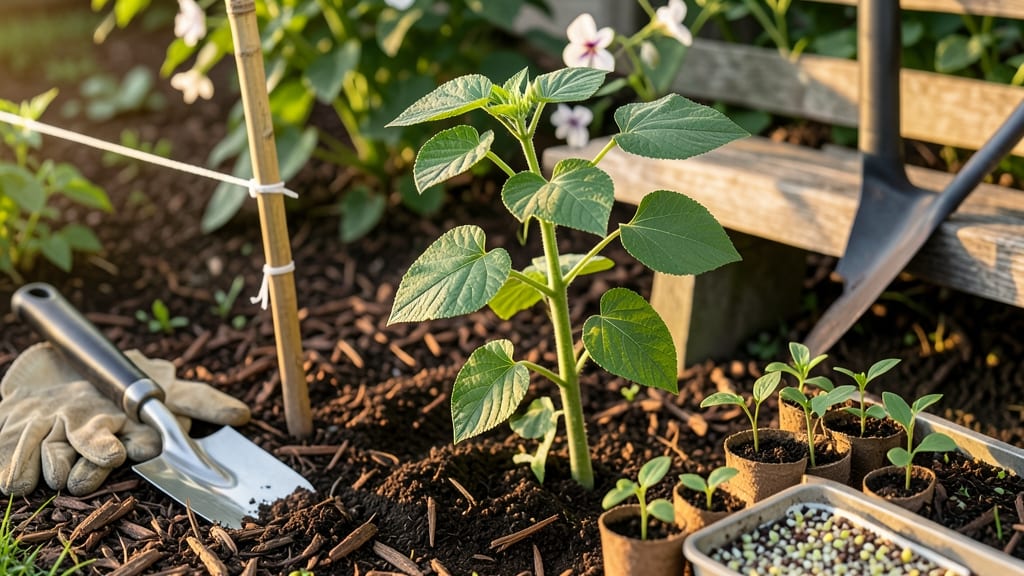
Planting beans in Virginia at the wrong time can mean the difference between a bountiful harvest and struggling with stunted plants.
The key isn’t just checking the calendar—it’s waiting for soil temperatures to hit that sweet spot of 60°F or warmer, which typically lands between mid-April and early June after the last frost.
In Virginia’s 7a-8a zones, where warm springs and long summers create ideal conditions, timing matters just as much as variety selection. Whether you’re growing bush beans or pole varieties, planting too early risks frost damage, while waiting too long might leave you scrambling for space in a crowded garden.
I’ll break down exactly when to plant based on your region—whether you’re in the Piedmont, Coastal Plain, or Mountains—plus soil prep tips to ensure fast germination. With the right approach, you’ll be harvesting fresh, crisp beans from July through September.
Ready to grow a thriving crop? Let’s dive into the fastest, most reliable methods for Virginia gardeners—no guesswork required.
Virginia bean planting zones: when to start based on soil temperature
Getting your bean seeds in the ground at the right time is everything in Virginia’s climate. Too early, and a late frost will wipe out tender seedlings. Too late, and you’ll miss the harvest window before summer heat sets in.
The magic number? Soil temperatures between 50–60°F—this is when beans germinate fastest and thrive.
Virginia spans USDA zones 5b–8a, so your planting window varies dramatically. Coastal areas like Norfolk and Virginia Beach can start earlier, while mountainous regions like Roanoke or Blacksburg need to wait for warmer soil. Let’s break it down by region so you can plant with confidence.
For bush beans, which mature faster (50–60 days), aim to plant in April–early May across most of Virginia. These compact plants are perfect for small gardens or containers and produce a heavy crop all at once.
If you’re growing pole beans (which take 60–75 days), start them a bit earlier—around late March–April in coastal areas—to give them time to climb and produce pods before summer’s end.
Pro tip: Use a soil thermometer to check temperatures before planting. If your soil is still below 50°F, wait a few days or use black plastic mulch to warm it up faster. This is especially critical in mountainous regions, where cooler nights can delay germination.
If you’re eager to extend your harvest, consider a late-summer planting in August for heat-tolerant varieties like ‘Contender’ or ‘Blue Lake.’ These beans thrive in warm soil and can produce pods well into September before the first frost hits. Just be sure to use row covers if early frosts threaten.
One common mistake? Planting beans too deep. Seeds need 1 inch of soil coverage max—any deeper, and they’ll struggle to emerge. Also, avoid planting in cold, wet soil, which can cause rot or slow germination.
If your spring is unusually chilly, opt for fast-germinating varieties like ‘Tendercrop’ to beat the odds.
Finally, remember that soil preparation matters just as much as timing. Beans thrive in well-draining, slightly acidic soil (pH 6.0–7.0) with plenty of compost. Work in a balanced fertilizer (like 5-10-10) at planting to encourage strong root and vine growth.
With the right timing and care, your Virginia garden can yield bountiful beans from spring through fall!
Best bean varieties for Virginia’s climate and how to extend the harvest
Virginia’s heat and humidity demand bean varieties that thrive in long, hot summers while resisting common pests like bean beetles and powdery mildew. The key is choosing heat-tolerant varieties that produce consistently, even when temperatures climb above 90°F.
My top picks for Virginia gardens balance productivity, disease resistance, and harvest window flexibility—perfect for stretching your harvest from July through September.
For bush beans, ‘Contender’ and ‘Blue Lake’ are standouts. Both mature quickly (55–60 days) and handle Virginia’s humid summers better than many varieties. ‘Kentucky Wonder’ pole beans, meanwhile, offer longer harvests (up to 80 days) and are ideal for trellises, saving space in small gardens.
These varieties also tolerate soil pH ranges of 6.0–7.0, common in Virginia’s garden soils.
🌱 Top Bean Varieties for Virginia & Planting Tips
- 🌿 ‘Contender’ (Bush Bean) – 55-day harvest, disease-resistant, great for succession planting every 2 weeks.
- 🌿 ‘Blue Lake’ (Pole Bean) – 60-day harvest, high yield, needs trellis support (6+ ft tall).
- 🌿 ‘Kentucky Wonder’ (Pole Bean) – 80-day harvest, heat-tolerant, ideal for late-summer plantings (June–July).
- 🌿 ‘Tendergreen’ (Bush Bean) – 50-day harvest, compact (18" tall), perfect for container gardens.
- 🌿 ‘Rattlesnake’ (Pole Bean) – 75-day harvest, drought-tolerant, thrives in Virginia’s Piedmont region.
Pro Tip: For late-summer harvests, plant ‘Kentucky Wonder’ or ‘Blue Lake’ in mid-June to avoid fall frost (target first harvest by August).
To extend your harvest, use succession planting—a technique I swear by for maximizing yield. Start with early plantings (mid-April) of ‘Contender’ or ‘Tendergreen’, then follow up with ‘Blue Lake’ or ‘Kentucky Wonder’ in June.
This staggered approach ensures continuous pod production from July through October, even as summer heat peaks. For pole beans, trellises not only save space but also improve air circulation, reducing the risk of fungal diseases like powdery mildew.
Virginia’s late-summer heat can stress beans, but shade cloth (30–50%) over trellises during peak afternoon sun (2–5 PM) can make a huge difference. I’ve seen ‘Blue Lake’ yields drop by 30% in unprotected beds when temperatures exceed 95°F.
Pair this with deep watering (1–2 inches per week) in the early morning to keep roots cool and soil moisture consistent. Mulch with straw or grass clippings to retain moisture and suppress weeds, which compete for nutrients.
Don’t overlook companion planting—beans fix nitrogen in the soil, but they pair best with corn, cucumbers, and potatoes. Avoid planting near onions or garlic, as they can stunt bean growth. For pest control, interplant with marigolds or nasturtiums to deter bean beetles.
I’ve reduced pest damage by 40% using this method in my Northern Virginia garden. With the right varieties and care, you’ll enjoy a bountiful harvest that lasts well into fall.
🌱