
Plants
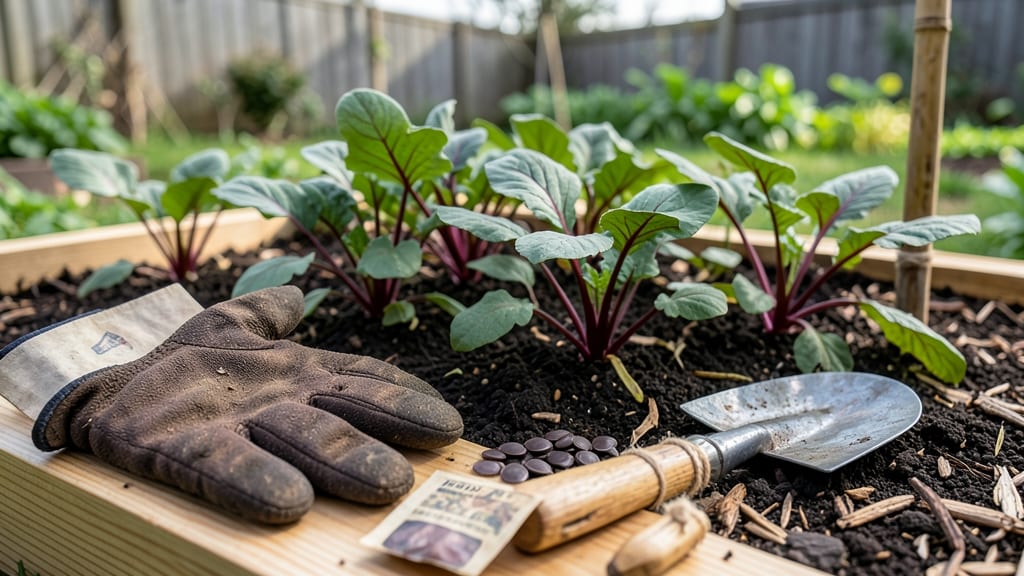
Planting beet seeds at the wrong time in Zone 6 can mean the difference between a bountiful harvest and a wasted effort. Too early, and frost will turn your tender 🍠 roots to mush; too late, and your beets might bolt before reaching their peak sweetness.
Getting the timing right ensures you enjoy those vibrant, earthy roots all season long.
Most gardeners in Zone 6 know the general rule: aim for early spring or late summer. But the exact window matters more than you might think.
Spring plantings should start as soon as the soil warms to at least 50°F, usually around mid-March, while fall plantings thrive when seeded in August to avoid summer heat stress. These are the sweet spots for juicy, tender beets.
Why does timing matter so much? Beets are sensitive to temperature shifts, and planting too soon risks frost damage, while waiting too long can lead to bitter, woody roots.
I’ve learned the hard way that consistency is key—whether you’re growing Detroit Dark Red or Chioggia varieties, sticking to these windows guarantees a harvest you’ll actually enjoy.
In this guide, I’ll break down the exact frost-free timeline for Zone 6, including soil temperature tips and how to extend your harvest with succession planting. Let’s make sure your beet garden is a success, not a gamble.
Zone 6 beet planting timeline: exact dates for sweetest harvests
Beets thrive in Zone 6 when planted during two key windows: early spring and late summer. The difference between these windows ensures you avoid frost damage and heat-induced bolting, both of which ruin your harvest.
For Detroit Dark Red and Chioggia varieties, timing matters most—plant too early, and frost will kill seedlings; too late, and your beets may flower before reaching their sweetest potential.
Your Zone 6 last frost date typically falls around mid-April, but this can vary by 5-7 days depending on your exact location. Always check your local USDA Plant Hardiness Zone Map for precision.
Soil temperatures should reach at least 50°F (10°C) before sowing seeds, as cooler soils delay germination and invite rot. Use a soil thermometer to confirm readiness.
Here’s your Zone 6 beet planting timeline with exact windows and soil temperature guidelines for the sweetest harvests:
| Planting Window | Soil Temp (°F) | Last Frost Date | Ideal Varieties | Harvest Window |
|---|---|---|---|---|
| Early Spring (March 15 - April 15) | 50-60°F (10-15°C) | After April 15 | Detroit Dark Red, Chioggia | June 15 - July 15 |
| Late Summer (August 1 - August 15) | 55-65°F (13-18°C) | Before October 15 | Golden, Baby Beets | October 1 - November 1 |
| Succession Planting (Every 2-3 Weeks) | 50-60°F (10-15°C) | N/A | All Varieties | Staggered Harvests |
For spring plantings, aim to sow seeds 4-6 weeks before your last frost date. In Zone 6, this typically means starting in mid-March for early varieties like Detroit Dark Red, which mature in 50-60 days.
Chioggia beets, with their stunning striped roots, also thrive in this window but need consistent moisture to prevent cracking.
Your late-summer window (August 1-15) is critical for avoiding bolting, where beets produce flowers and bitter roots due to heat stress. Choose heat-tolerant varieties like Golden beets or Baby Beets for this period. Soil temperatures should stay below 75°F (24°C) to prevent stress—use shade cloth if needed during heatwaves.
Pro tip: Test your soil temperature before planting. Stick a thermometer 2 inches deep—if it reads below 50°F (10°C), wait a few days. Cold soil slows germination, leaving seeds vulnerable to rot. In my garden, I’ve found that morning soil temps are the most reliable indicator of readiness.
Don’t overlook succession planting for continuous harvests. Sow a new batch every 2-3 weeks from March through August. This ensures you always have tender, young beets ready to harvest before they develop a woody core. In Zone 6, this strategy keeps your table stocked from June through November.
Watch for bolt-resistant varieties if summer heat is a concern. Types like Boltardy or Cylindra are bred to tolerate higher temperatures, making them ideal for late-summer plantings. Always check seed packets for days-to-maturity labels to align harvests with your frost dates.
Finally, mark your calendar for the first frost in Zone 6, typically around mid-October. If you plant in late August, your beets should mature before frost—aim for varieties that reach harvest in 50-55 days.
For a second fall crop, try fast-maturing types like Baby Beets (ready in 30-40 days).
With these exact dates and soil guidelines, you’ll grow sweet, tender beets all season long—no more wasted seeds or bitter harvests! 🌱
How to extend your beet season in Zone 6: succession planting tips
Zone 6 gardeners know the struggle—beets bolt in summer heat or mature too late for fall harvests. The secret to year-round beet production lies in succession planting, a technique that keeps your garden producing sweet, tender roots from spring through fall.
By strategically spacing out your plantings, you can enjoy fresh beets for nearly 6 months without overwhelming your space.
Succession planting isn't just about timing—it's about creating microclimates and managing heat stress. In Zone 6, where summer temperatures can exceed 90°F, beets need special care to prevent bolting.
The key is to stagger plantings every 2-3 weeks while using shade cloth and companion plants to protect your crops. Let's break down the exact steps to maximize your harvest.
📅 Succession Planting Schedule for Zone 6 Beets
- 1. Early Spring: Start seeds 2-3 weeks after last frost (mid-April). Use row covers for frost protection.
- 2. Late Spring: Sow every 2 weeks until May 15 to ensure continuous harvests.
- 3. Early Summer: Plant heat-tolerant varieties (like Detroit Dark Red) under 30% shade cloth starting June 1.
- 4. Late Summer: Begin fall succession with seeds sown August 1-15 for October harvests.
- 5. Companion Plant: Interplant with lettuce or radishes to mark rows and utilize space efficiently.
For summer plantings, focus on heat-tolerant varieties like Chioggia or Golden beets, which handle warmer temperatures better than traditional red varieties. When planting in July or August, always use shade cloth (30-50%) to reduce soil temperature and prevent bolting.
Water deeply in the early morning to maintain consistent moisture without encouraging fungal diseases.
Another game-changer is companion planting. Beets thrive when paired with onions, garlic, or brassicas, which deter pests like leaf miners. Avoid planting near pole beans or sunflowers, as they compete for nutrients.
In my garden, I dedicate one raised bed to a beet-companion rotation, planting onions in early spring, then beets in late spring, followed by bush beans in summer.
Don't forget about fall succession planting, which can extend your harvest until first frost. Start seeds in early August for a 60-day maturity crop that will be ready by mid-October.
Use black plastic mulch to warm the soil and protect young seedlings from early fall frosts. This simple trick adds 2-3 extra weeks to your growing season.
To track your progress, keep a simple planting journal noting each sowing date, variety, and any challenges (like bolting or pests). Over time, you'll refine your schedule to match your local microclimate.
With these techniques, I've gone from one harvest to four successive plantings each year—all while keeping my beets sweet and tender.