
Plants
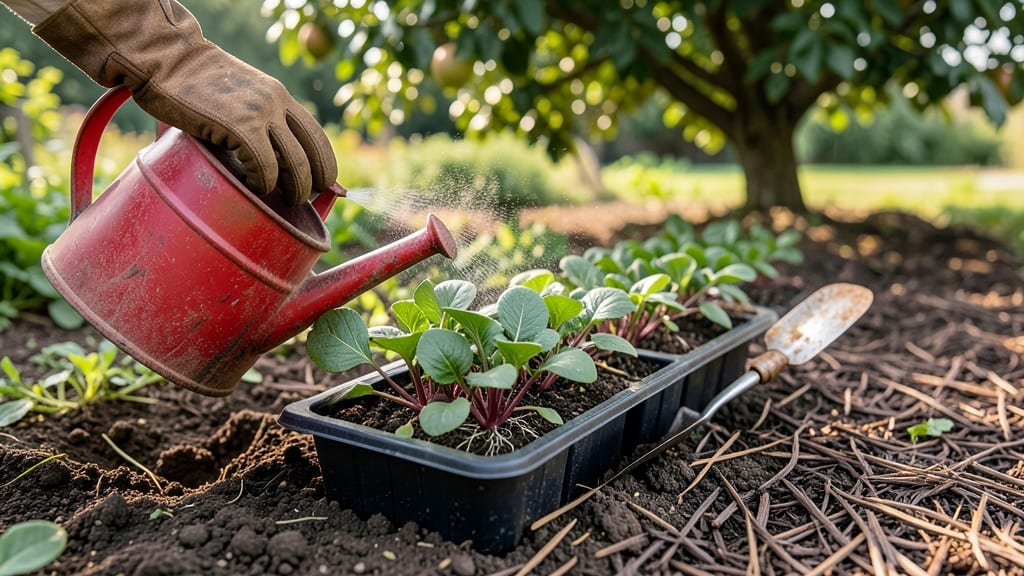
Planting beets in Central Texas isn’t just about throwing seeds in the dirt—it’s about beating the heat and avoiding bitter, bolted greens. The key to success? Timing your 🍠 beets for late fall or early spring, when temperatures stay mild enough for sweet, tender roots.
If you plant too early, those 100-degree Texas summers will send your beets racing to seed. Too late, and you’ll miss the harvest window before frost rolls in.
I’ve grown beets in Zone 8a for years, and I’ll show you exactly when to start seeds—plus how to stretch your growing season so you can enjoy fresh beets from November through May.
You’ll learn the perfect planting windows (spoiler: it’s not what you might think), how to prep your soil for maximum growth, and even how to trick your beets into thriving when the mercury rises. Let’s get those roots growing the right way.
No more guesswork—just juicy, homegrown beets all season long. Ready to dig in?
Best planting windows for beets in Central Texas climate
Central Texas gardeners know that timing is everything when growing beets. The USDA Zone 8a-9a climate means we have to work with short cool seasons and intense summer heat—both of which can ruin a beet harvest if you're not careful.
The key is planting during the ideal windows when temperatures stay between 50°F and 75°F, avoiding both early frost and scorching afternoons.
For me, the two best planting windows are late fall (September-October) and early spring (February-March). These periods give beets enough time to mature before summer heat sets in or winter frosts arrive.
Missing these windows often means dealing with bolting plants or stunted growth, so let's break down exactly when and how to plant for success.
📅 First Frost Date: November 15 (average)
📅 Last Frost Date: February 15 (average)
Let's start with late fall planting, which is my favorite window because it gives you a harvest before winter sets in. Aim to plant beet seeds between September 15 and October 15.
This timing ensures your beets will mature by November 15, just before the first frost hits Central Texas. For example, if you plant on October 1, you'll have beets ready to harvest around November 10-15, perfect for enjoying fresh beets before the cold arrives.
To calculate your exact planting window, subtract 50-60 days from your average first frost date (November 15). This gives you a target planting date of around September 15. For example, if your frost date is November 20, plant by September 20 to avoid frost damage.
Use the Texas A&M AgriLife Extension frost calculator for precise local data.
Now for early spring planting, which is trickier because Central Texas warms up quickly. Plant between February 15 and March 15, but be ready to harvest by May 15 before temperatures climb above 80°F.
If you plant too late, your beets will bolt—sending up flower stalks—because they sense the heat as a signal to reproduce. I've learned this the hard way after watching my Detroit Dark Red variety bolt in early April!
For both planting windows, choose heat-tolerant varieties like 'Crimson Globe' or 'Chioggia', which handle mild heat better than standard types. Also, plant in well-draining soil with partial shade cloth (30-50%) if daytime temps exceed 75°F. This simple trick has doubled my beet yields during borderline heat periods.
Another pro tip: Succession plant every 2 weeks during both windows. This means planting a new row on September 15, October 1, and October 15 for fall, then again on February 15, March 1, and March 15 for spring.
This staggered approach ensures a continuous harvest and reduces the risk of losing your entire crop to heat or frost.
Finally, pay attention to soil temperatures. Beets germinate best when soil is between 55°F and 70°F. Use a soil thermometer to check before planting—if it's cooler than 50°F, wait a week or two.
I once planted in 48°F soil and had only 30% germination. The lesson? Patience pays off with be
How to extend the beet growing season in hot Texas summers
Central Texas summers can push beets to their limits, but with the right strategies, you can keep harvesting sweet, tender roots even when temperatures soar. The key is creating a cooler microclimate and choosing varieties that thrive in heat.
I’ve learned that a little shade, proper mulching, and strategic planting can make all the difference in avoiding bitter, woody beets.
First, focus on heat-resistant beet varieties like Detroit Dark Red or Golden—these hold up better than standard types. Pair them with shade cloth, which reduces soil temperatures by up to 15°F.
I’ve seen dramatic improvements in beet quality by using 30-50% shade cloth during peak afternoon heat, especially in June and July.
- 1. Use shade cloth (30-50%) to block intense afternoon sun. Install it 3-4 feet above plants to allow airflow while reducing soil temps by 10-15°F.
- 2. Mulch heavily with 2-3 inches of straw or wood chips to retain moisture and insulate roots. Replenish mulch every 4-6 weeks as it breaks down.
- 3. Practice succession planting in late summer (August-September) by sowing small batches every 2 weeks. This ensures a staggered harvest before extreme heat sets in.
- 4. Choose heat-tolerant varieties like Detroit Dark Red or Chioggia. These varieties mature faster and handle 90°F+ temps better than standard types.
- 5. Water deeply in mornings to encourage strong root growth. Aim for 1 inch of water every 3-5 days, avoiding wetting foliage to prevent disease.
Another game-changer is succession planting in late summer. Instead of one big planting, I sow small batches every 2 weeks from August through September. This way, your earliest beets mature before the worst heat arrives, and later plantings benefit from cooling fall temperatures.
For example, a September 15 planting often yields harvest-ready beets by late October, just as temps drop.
Don’t overlook the power of mulching. A thick layer of straw or wood chips (2-3 inches) keeps soil cool, retains moisture, and suppresses weeds. I’ve seen beets thrive in 95°F heat when mulched properly.
Just remember to replenish it every 4-6 weeks as it decomposes. Pair this with drip irrigation to deliver water directly to roots without wetting leaves, reducing fungal risks.
Finally, harvest strategically. Beets left too long in hot soil become tough and woody, so check plants every 5-7 days starting 45 days after sowing. Pull smaller beets first—they’re sweeter and less likely to suffer from heat stress. Save larger varieties for cooler months when they can fully develop.
With these tactics, I’ve extended my beet harvest by 2-3 months in Central Texas, enjoying fresh roots well into October and even early November. The secret? Combining shade, mulch, and smart planting to outsmart the heat. 🌱