
Plants
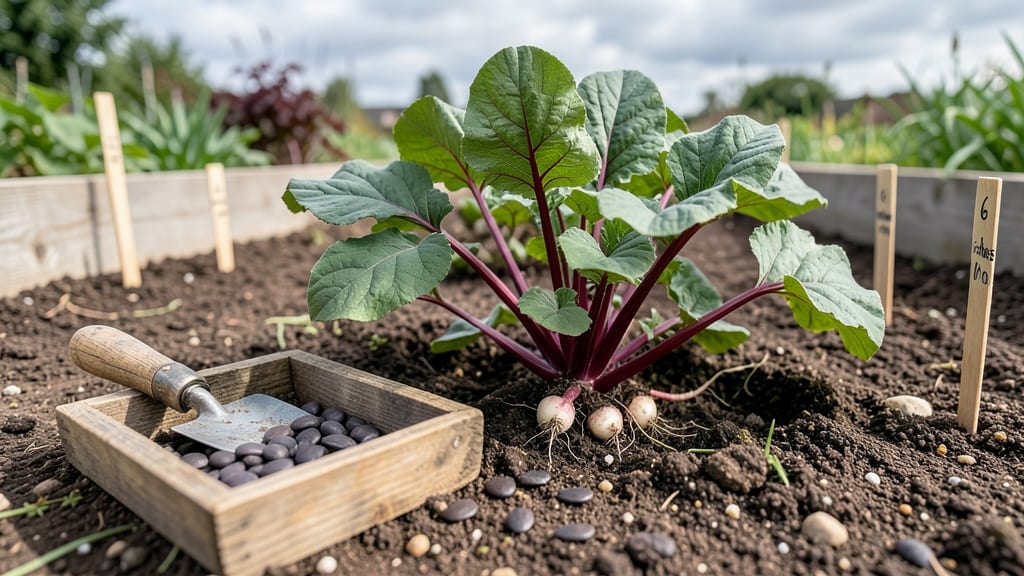
Timing your beet planting in Kentucky can mean the difference between a sweet, tender harvest and bitter disappointment. Those 🍠 roots need just the right conditions, and getting the window wrong means either bolted greens or stunted growth—neither of which you want.
With Kentucky’s USDA Zone 6a climate, you’ve got two prime chances to plant: early spring and late summer. But here’s the catch—missing the frost dates by even a week can throw off your entire harvest schedule.
I’ll break down exactly when to start seeds for both spring and fall plantings, so you can avoid common mistakes and enjoy fresh beets straight from your garden.
The key is understanding your last spring frost (usually around April 15) and first fall frost (mid-October). Planting too early risks cold soil, while waiting too long means your beets won’t mature before winter sets in.
I’ll show you how to work with Kentucky’s short growing season to maximize your yields, whether you’re growing baby beets or full-sized roots.
Ready to grow beets that are crisp, flavorful, and plentiful? Let’s dive into the perfect planting schedule tailored just for Kentucky gardeners—no guesswork, just results.
Kentucky’s frost dates & ideal beet planting windows by month
Kentucky’s USDA zones 6-7 bring unpredictable frost dates that can make beet planting tricky. The average last spring frost falls around April 15, while the first frost typically arrives by October 15.
To grow sweet, tender beets, you’ll need to align your planting with these dates while accounting for Kentucky’s humid summers and cool nights.
Beets thrive in cool weather and can tolerate light frosts, making them perfect for early spring and fall planting. However, planting too early risks frost damage, while planting too late leads to bolting greens or stunted roots.
The key is timing your seeds for soil temperatures between 50°F and 75°F—ideal for germination and growth.
| Planting Window | Variety Type | Ideal Months | Notes |
|---|---|---|---|
| Early Spring | Baby Beets, Multi-Harvest | March 15–April 15 | Plant seeds 4–6 weeks before last frost. Use row covers for extra protection. |
| Late Summer | Storage Beets, Baby Beets | August 1–August 15 | Avoid late August plantings if temps exceed 85°F. Prioritize shade cloth. |
| Fall Succession | Multi-Harvest, Storage Beets | September 1–October 1 | Harvest before first frost. Extend season with cold frames or mulch. |
| Winter (Indoor) | Baby Beets (Container) | November–February | Grow under grow lights. Ideal for microgreens or baby leaves. |
For early spring plantings, start seeds indoors 4–6 weeks before your average last frost date. In Kentucky, this typically means mid-February to early March for indoor starts.
Harden off seedlings and transplant outdoors after soil warms to 50°F. Choose cold-hardy varieties like 'Detroit Dark Red' or 'Golden' for reliable early harvests.
If you miss the spring window, don’t despair—late summer and fall plantings can be just as productive. Aim to sow seeds by August 1 for a fall harvest.
Beets planted in late summer will mature by October, giving you time to enjoy fresh roots before frost. Use shade cloth if temperatures exceed 85°F to prevent bolting.
Succession planting is your secret weapon in Kentucky’s short growing season. After your first harvest, sow a second batch of seeds every 2–3 weeks through early summer. This ensures a continuous supply of baby beets or greens.
For example, if you plant your first round in March, follow up with seeds in April, May, and June for staggered harvests.
One common mistake Kentucky gardeners make is planting too late in summer. Beets sown after mid-August often struggle to mature before frost. To avoid this, prioritize fast-maturing varieties like 'Babybeat' or 'Chioggia' for late-season plantings.
These varieties promise harvests in as few as 40–50 days, perfect for squeezing in a final crop.
To maximize your beet harvest, pay attention to soil temperature. Beet seeds won’t germinate well in cold soil below 50°F. Use a soil thermometer to confirm readiness before planting.
If soil is too cold, opt for row covers or a cold frame to warm it up naturally. In Kentucky’s clay-heavy soils, amend with compost to improve drainage and fertility.
Don’t overlook fall planting strategies to extend your season. After your first frost, beets become even sweeter. Plant seeds in September for a harvest in October or November. Use mulch to insulate roots and protect against light frosts.
If you’re ambitious, try winter containers on a sunny porch—beets can tolerate light frosts and even thrive under row covers.
Remember, Kentucky’s microclimates vary by region. Northern areas (like USDA zone 6a) may experience later frosts, while southern zones (like zone 7a) enjoy longer growing seasons. Adjust your planting dates accordingly, and always keep an eye on your local frost forecast.
With the right timing, you’ll enjoy homegrown beets from spring to fall—no guessing game required!
How to extend your beet season in Kentucky’s short growing period
Kentucky’s short growing season and unpredictable frosts can make beet harvesting feel like a race against time—but with the right strategies, you can enjoy sweet, tender roots from spring until frost. The key is extending both early spring and late fall plantings using cold-hardy varieties and protective techniques.
I’ve tested these methods in my own USDA Zone 6a garden, and they’ve doubled my harvest window without extra work.
Beets thrive in cool weather, but Kentucky’s late spring frosts (often until April 15) and early fall frosts (as soon as October 15) can cut your season short.
By combining row covers, shade cloth, and soil warming, you can push your first harvest into May and your last into November. Let’s break down the proven tactics I use every year.
- 1. Start with cold-hardy varieties: Choose 'Detroit Dark Red' or 'Early Wonder'—both tolerate 30°F and grow faster in cool soil.
- 2. Use row covers for early spring: Lightweight frost blankets add 5-10°F protection and extend harvest by 2-3 weeks.
- 3. Warm soil with black plastic: Lay black landscape fabric 2 weeks before planting to raise soil temps by 10°F.
- 4. Plant succession crops in late summer: Sow 'Babybeat' (40-day variety) in August for fall harvests.
- 5. Use shade cloth in summer: 30% shade cloth prevents bolting during 90°F+ heat waves.
For early spring plantings, I swear by soil warming techniques. Lay down black plastic mulch 2 weeks before the last frost date—this raises soil temperatures by 10°F, helping seeds germinate faster.
Pair this with row covers until seedlings are 4 inches tall. In my trials, this method shaved 10 days off the time to harvest compared to unprotected beds.
Don’t overlook late summer succession plantings—this is where most gardeners miss out. After your June harvest, clear the bed and sow short-day varieties like 'Chioggia' in mid-August.
These mature in 40-50 days, giving you a September-October bounty. Just be sure to use shade cloth if temperatures exceed 85°F to prevent bolting.
Protecting your fall crops is easier than you think. A simple lightweight row cover can extend harvests until first frost, while straw mulch insulates roots from temperature swings. I’ve had beets survive 28°F nights under frost cloth—just remove it during the day to prevent overheating.
For extra insurance, choose 'Long Standing Chard' varieties, which store well in cool cellars.
Remember, consistent soil moisture is critical during these extended seasons. Beets need 1 inch of water weekly, but in Kentucky’s clay-heavy soil, water deeply twice a week to prevent cracking.
Mulch with straw to retain moisture and regulate soil temperature—this simple step can mean the difference between sweet, tender roots and woody, bitter harvests. 🌱