
Plants
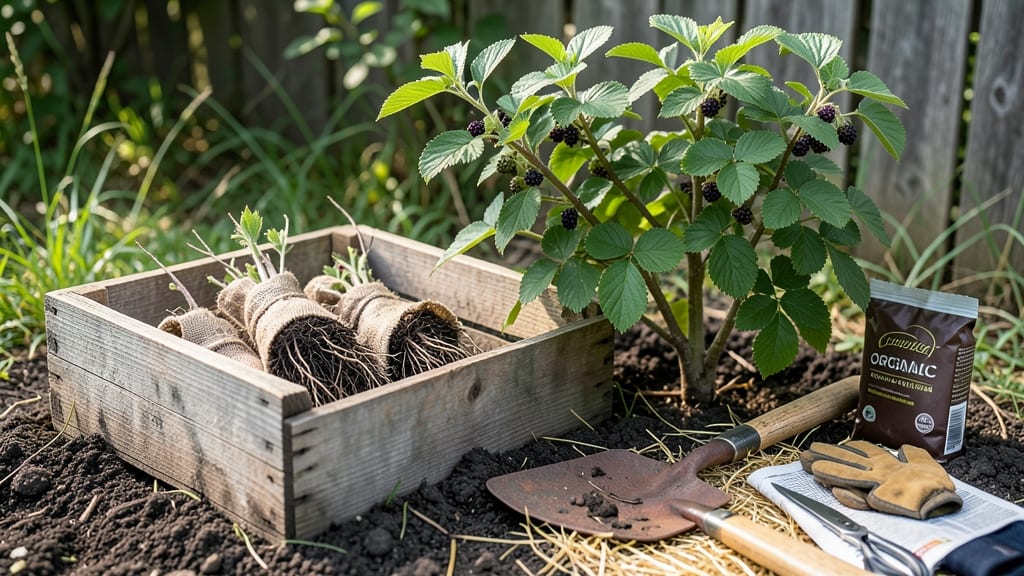
Planting blackberries at the wrong time in Louisiana can turn your dream harvest into a disappointing flop—especially when you pick the wrong variety for the state's 8a-9b climate.
The secret to success isn't just about timing; it's about matching your 🫐 blackberry bushes to Louisiana's unique chill-hour needs, which determine when they'll fruit best.
Most gardeners assume spring is the only option, but Louisiana's long growing season actually gives you two prime windows: late winter through early spring or fall.
Why? Because blackberries need a specific balance of cold dormancy and warm growing months to thrive—and getting that wrong means fewer berries or none at all.
In this guide, I'll show you exactly when to plant in Louisiana, which varieties work best in your zone, and how to prepare your soil for maximum success.
Whether you're planting bare-root canes or container-grown bushes, these tips will help you avoid common pitfalls like heat stress or pest pressure that plague new growers.
Ready to grow blackberries that produce bountiful harvests from May through August? Let's get started with the planting schedule that actually works for Louisiana gardeners.
Louisiana blackberry planting timeline: chill-hours and best months
Louisiana’s climate zones—ranging from 8a to 9b—create unique challenges for blackberry growers. Unlike northern states, we don’t face harsh winters, but our lack of chill-hours (below 45°F) means traditional varieties often fail to thrive.
The key? Selecting low-chill varieties like 'Arapaho' (0-300 hours) or 'Navaho' (300-500 hours) that match Louisiana’s mild winters.
Planting too early risks frost damage, while waiting too long delays root establishment before summer’s brutal heat. Aim for a 6-8 week window before temperatures consistently hit 85°F+, ensuring your plants establish roots before the heat peaks in June-July.
📅 Ideal planting windows:
- Fall (September-October): Best for root establishment before winter dormancy
- Early Spring (February-March): Critical for varieties needing minimal chill-hours
For Zone 8a (northern LA), aim for September planting to take advantage of cooler fall temperatures. Soil should be 60-70°F—any warmer risks root stress. In Zone 9b (southern LA), October planting works best, as summer heat can overwhelm young plants.
Soil temperature is just as critical as air temperature. Use a soil thermometer to confirm 55-65°F before planting. If soil is too warm, wait 2-3 weeks or use shade cloth to protect roots during establishment. Mulch heavily with pine straw to maintain moisture and regulate temperature.
Spring planting (February-March) suits varieties like 'Navaho' that need 300-500 chill-hours. Plant 4-6 weeks before last frost (typically late February in most of LA) to allow roots to establish before summer’s heat arrives. Avoid planting after March 15th—late spring plants often struggle with heat stress.
Dormancy is key in Louisiana’s climate. Most blackberries enter dormancy in late fall but may break dormancy too early if temperatures fluctuate. Use winter mulch (6-8 inches of straw) to protect roots from freeze-thaw cycles, which can damage emerging canes in Zone 8a.
Pro tip: Container growing extends your planting window. Use 5-gallon pots to move plants indoors during extreme heat (above 95°F) or protect them from hurricane winds. This method also lets you control soil temperature more precisely than in-ground planting.
Timing isn’t just about the calendar—it’s about matching variety to microclimate. In humid southern LA (Zone 9b), prioritize disease-resistant varieties like 'Natchez' and plant in late September to avoid anthracnose pressure during wet springs.
In drier northern areas (Zone 8a), 'Arapaho' thrives with October planting and drip irrigation.
Remember: Blackberries need 6-8 weeks to establish roots before summer’s heat peaks. Rush planting, and you’ll end up with stunted growth and poor fruit set. Plan ahead, match your variety to chill-hours, and give your plants the cool-season window they need to succeed in Louisiana’s climate. 🌱
Step-by-step planting guide for Louisiana blackberries: from bare root to thriving bush
Once you’ve chosen the right blackberry variety for Louisiana’s climate, the next critical step is planting correctly to ensure strong root establishment and a bountiful harvest. Louisiana’s humid subtropical conditions demand careful attention to soil prep, spacing, and post-planting care to prevent stress and disease.
Whether you’re planting bare-root canes or container-grown plants, follow these steps to give your blackberries the best start in your garden.
Start by preparing your planting site at least 2-3 weeks before transplanting. Louisiana’s clay-heavy soils often need amendments to improve drainage and fertility. Aim for a pH of 5.5-6.5—test your soil with a kit or send a sample to your local LSU AgCenter for professional analysis.
Mix in 2-3 inches of compost or well-rotted manure into the top 12 inches of soil to boost organic matter and microbial activity.
Here’s your step-by-step guide to planting blackberries in Louisiana, from soil prep to the first 30 days of care:
After planting, maintain consistent moisture by watering 1-2 inches per week, especially during Louisiana’s hot, dry summers. Water at the base of the plant in the morning to reduce fungal diseases like botrytis. Avoid overhead sprinkling, which can spread anthracnose in humid conditions.
For the first 30 days, monitor your blackberries closely for signs of transplant shock, such as yellowing leaves or wilting. If you notice stress, provide light shade during peak afternoon heat and avoid fertilizing until new growth appears.
Once established, your blackberries will thrive in Louisiana’s climate with minimal fuss!