
Plants
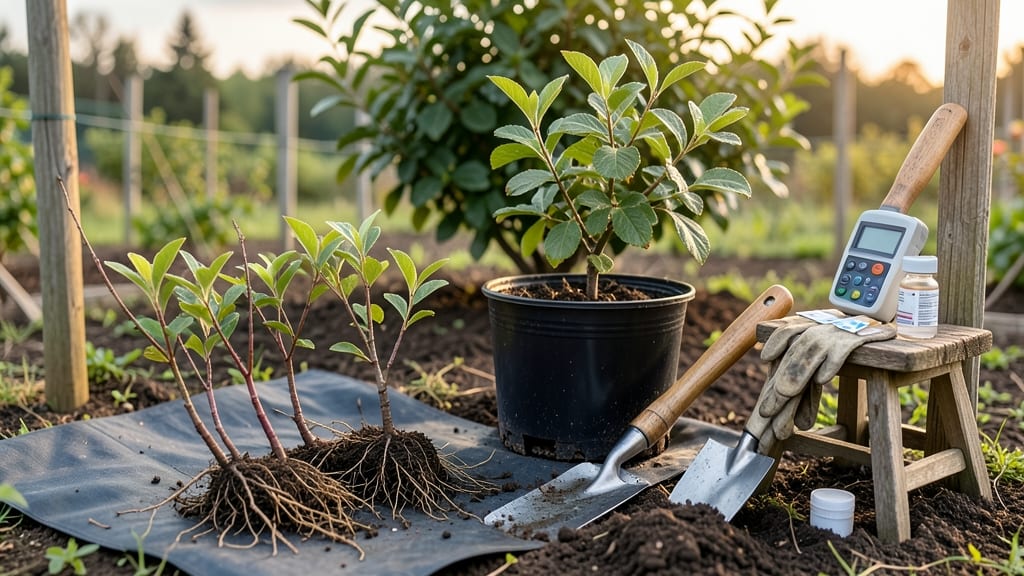
Planting blueberries in Arkansas at the wrong time could mean the difference between a thriving 🫐 bush and a sad, frost-nipped failure. The key window—late winter to early spring—gives your plants the 6-8 weeks they need to establish roots before summer’s brutal heat takes over.
If you’ve ever wondered why some Arkansas gardeners get bountiful harvests while others struggle, the answer often comes down to timing.
USDA Zones 7a-8b demand precision: plant too early, and a late frost will wipe out young shoots; too late, and your bushes won’t mature enough to fruit by next summer.
I’ve tested the best methods for Arkansas’s climate—whether you’re planting bare-root saplings in February or potted bushes in April—and the results speak for themselves. With the right preparation, you can avoid common pitfalls like poor drainage or soil pH issues that stunt growth.
Ready to skip the guesswork? Let’s break down the exact planting schedule, soil prep secrets, and variety choices that work best in Arkansas’s 7a-8b zones, so you can enjoy your first harvest by late spring or early summer.
Optimal blueberry planting dates in Arkansas (zone 7a/7b) for best growth
Arkansas's USDA Zones 7a/7b offer a unique challenge for blueberry growers—balancing late frosts in spring with summer heat that can stress young plants. The ideal planting window is a narrow but critical period that ensures your bushes establish roots before the heat of June.
In my experience, timing can make or break your harvest, especially in regions like the Arkansas River Valley and Ozark Mountains, where microclimates vary dramatically.
For most Arkansas gardeners, late winter to early spring (February through April) is the sweet spot. This aligns with when soil temperatures rise enough to support root growth while avoiding the last average frost date of March 15 in most areas.
Planting too early risks frost damage to tender new growth, while waiting too long can leave your bushes struggling to establish before the summer heat sets in.
Here’s the breakdown you need to know, tailored to Arkansas’s specific conditions:
| Planting Window | Best For | Frost Risk | Root Establishment | Arkansas Regions |
|---|---|---|---|---|
| Late February | Bare-root plants | High (last frost possible) | Slow (cool soil) | Northern Ozarks, higher elevations |
| March (ideal) | Bare-root or potted | Moderate (frost risk drops) | Optimal (soil warming) | River Valley, central AR |
| Early April | Potted plants (transplant) | Low (safe after March 15) | Excellent (warm soil) | Southern AR, lower elevations |
| Fall (September-October) | Potted plants only | None (dormant season) | Good (roots harden off) | All regions (lower risk) |
If you’re planting in the Arkansas River Valley, aim for mid-March when soil temperatures consistently stay above 45°F. This area warms up faster than the Ozarks, giving your blueberries a head start.
For the Ozark Mountains, push planting to early April to avoid late frosts that can linger into April. I’ve seen firsthand how a single late frost can devastate young bushes planted too early in these higher elevations.
Fall planting is an option in Arkansas, but it’s riskier. Plant potted blueberries in September or early October to give roots time to establish before winter. Avoid bare-root plants in fall—they’re more susceptible to freeze damage and disease when planted late.
If you choose fall, prioritize well-draining soil and mulch heavily to protect roots during winter fluctuations.
Container growing extends your planting window slightly. Potted blueberries can handle transplanting into the ground later than bare-root plants because their root systems are less stressed. I recommend planting container-grown bushes in early April to give them time to adjust before summer heat arrives.
Just ensure your pots have drainage holes and use a peat-based potting mix to maintain acidity.
Protect young plants from late frosts with row covers or frost cloths if you plant in February or early March. In my garden, I’ve used these covers for 2-3 weeks after planting to shield new growth.
Remove them during the day to allow sunlight and replace them at night when temperatures drop below 32°F. This small extra step can save your entire crop from frost damage.
After planting, focus on watering deeply to encourage root growth. Blueberries need 1-2 gallons of water per plant every 2-3 days during the first growing season. Mulch with pine straw or wood chips to retain moisture and regulate soil temperature.
In Arkansas’s heat, mulch can reduce soil temperature by 5-10°F, which is a game-changer for root health.
Remember, Arkansas’s climate is unpredictable. Check your local cooperative extension service for updated frost dates and planting recommendations. For example, the University of Arkansas Extension provides free soil temperature maps that can guide your decisions.
With the right timing and care, your blueberry bushes will thrive and reward you with bountiful harvests for years to come.
How to prepare Arkansas soil for blueberry planting (acid-loving plant essentials)
Blueberries thrive only in acidic soil with a pH between 4.5 and 5.5. Arkansas’s native clay soils often test much higher—sometimes above 7.0—which can stunt growth or kill your plants before they bear fruit.
The key to success lies in amending your soil months before planting to create the perfect environment for these finicky shrubs.
Start by testing your soil’s pH using a home test kit or send a sample to your local Arkansas Cooperative Extension Service. Most Arkansas soils in Zones 7a/7b need significant adjustments, especially if you’re planting in heavy clay areas like the Delta region or Ozark foothills.
Without proper prep, your blueberries may suffer from chlorosis (yellowing leaves) or fail to produce fruit entirely.
⚠️ callout-warning
Heavy Arkansas clay holds too much moisture, causing root rot in blueberries. Never plant in unamended clay—amend 6+ months before planting with organic matter and sulfur to improve drainage and acidity.
🔹 Test soil first—clay soils often need peat moss or pine bark to break compaction.
🔹 Avoid lime—it raises pH, making soil toxic to blueberries.
To lower your soil’s pH, mix in 2–3 inches of peat moss or pine bark fines into the top 12 inches of soil. These organic amendments release acidifying compounds over time while improving drainage.
For faster results, add elemental sulfur at a rate of 1–2 pounds per 100 square feet, following package instructions carefully. Re-test your soil 2–3 months after amending to ensure you’ve reached the ideal 4.5–5.5 pH range.
Drainage is just as critical as acidity. Arkansas’s clay soils compact easily, trapping water and suffocating roots. If your planting site has poor drainage, consider raising beds or planting in containers with drainage holes.
For in-ground planting, mix coarse sand or perlite into the amended soil to create air pockets. Blueberries hate “wet feet”—even a few days of waterlogged soil can trigger root diseases like phytophthora.
Once your soil is properly amended, add a 2–3 inch layer of mulch around your blueberry bushes using pine needles or wood chips. This helps maintain acidity, retain moisture, and suppress weeds. Avoid using cedar mulch, as it can be too acidic and harm the plants over time.
Replenish mulch annually to keep your soil’s pH stable and your blueberries thriving for years to come.
Finally, plant your blueberries in a location with full sun exposure (at least 6–8 hours daily) and well-draining, acidic soil. With proper prep, your Arkansas blueberry bushes will reward you with sweet, juicy berries for decades—starting as early as their second or third year! 🫐