
Plants
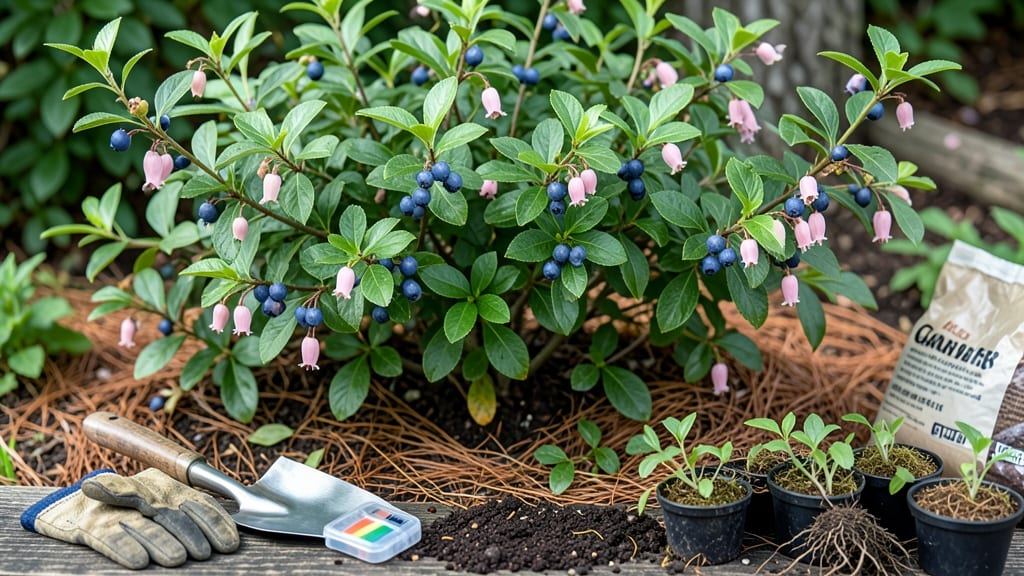
Planting blueberries in Colorado isn't just about dropping a 🫐 into the ground and hoping for the best—your elevation and last frost date could make or break your harvest.
Whether you're in the Front Range or the Western Slope, timing matters more than you might think, especially when dealing with chill-hour requirements and unpredictable mountain weather.
Most Colorado gardeners get it wrong by planting too early, risking frost damage to tender roots or too late, missing the sweet spot for root establishment before summer heat sets in. The key is knowing your exact frost-free window and matching it with the right variety for your zone.
In this guide, I'll break down the perfect planting schedule for your specific elevation—whether you're at 5,000 feet or 8,000 feet—plus pro tips to extend your window safely. No more guessing games, just a thriving blueberry bush that rewards you with juicy berries all summer.
Ready to get started? Let's dive into the exact months, soil prep secrets, and variety recommendations that will set you up for success—no matter where you are in the Centennial State.
Best planting months for Colorado blueberries by elevation zone
Colorado’s diverse elevations create unique challenges for blueberry growers. Unlike coastal regions, our last frost dates shift dramatically from 3,000 to 10,000 feet, forcing precise planting timing. Plant too early in the mountains, and a late frost will kill tender roots.
Wait too long in the valleys, and your bushes won’t establish before winter. Let’s break down the ideal planting windows for Colorado’s three key elevation zones to maximize your blueberry success.
Blueberries thrive when planted after the soil warms to 60°F+ and the risk of frost has passed. In Colorado, this means aligning your planting schedule with microclimate patterns—not just USDA zones. The Front Range’s urban heat islands can create 10-day differences in frost dates just miles apart.
For example, Denver’s average last frost is April 15, but nearby Boulder may see frost until May 1. Always check local Almanac frost charts or use USDA Plant Hardiness Zone Map tools for your exact location.
Pro Tip: Use frost cloth or row covers to extend your planting window by 2-3 weeks in higher elevations. This lets you plant bare-root blueberries in early April (mountains) or late March (valleys) without risking frost damage. Just remove covers when daytime temps consistently stay above 50°F.
| Elevation Zone | Avg Last Frost | Ideal Planting Window | Hardiness Notes | Soil Prep Tip |
|---|---|---|---|---|
| Lowland (3,000–5,000 ft) | April 1–15 | March 15–April 30 (bare-root) / May 1–15 (container) | Zones 6–7; risk of late frost until May 1 | Test pH (aim for 4.5–5.5); amend with sulfur if needed |
| Foothills (5,000–7,000 ft) | April 15–May 1 | April 1–15 (bare-root) / May 15–30 (container) | Zones 5–6; use cold-hardy varieties like 'Bluecrop' | Mulch heavily with pine needles to insulate roots |
| Mountain (7,000+ ft) | May 1–15 | April 15–May 1 (bare-root) / June 1–15 (container) | Zones 4–5; plant dwarf varieties in containers for mobility | Use raised beds with heat-absorbing black plastic |
For lowland gardeners (3,000–5,000 ft), like those in Denver or Colorado Springs, the window opens earliest. Bare-root blueberries can go in as early as mid-March, but container-grown plants should wait until May 1 to avoid transplant shock from late frosts.
These areas benefit from early-season varieties like 'Jersey' or 'Bluegold' that mature quickly before summer heat sets in.
In the foothills (5,000–7,000 ft), such as Boulder or Fort Collins, patience pays off. The April 15–May 1 frost window means bare-root plants must wait until early April at the earliest.
Container-grown bushes can go in until late May, but prioritize south-facing slopes to capture warmth. Varieties like 'Patriot' or 'Duke' thrive here with their moderate chill requirements.
Mountain regions (7,000+ ft) demand the most caution. Average last frosts don’t arrive until May 1–15, so bare-root planting should begin no earlier than mid-April.
Container-grown blueberries can extend the window to early June, but choose dwarf varieties like 'Top Hat' or 'Sunshine Blue' to ensure they establish before winter. Microclimates matter: Valley floors warm faster than ridge tops, so plant near stone walls or buildings to trap heat.
Critical Hardiness Tip: Colorado’s diurnal temperature swings (hot days, cold nights) can stress young blueberry bushes. Always mulch with 3–4 inches of pine needles or wood chips to regulate soil temperature. In high elevations, consider black plastic mulch in spring to warm the soil 5–10°F faster than bare ground.
If you miss the ideal window, don’t despair! Container gardening lets you plant up
Choosing blueberry varieties based on Colorado’s chill hours
Colorado’s chill hour requirements determine which blueberry varieties will thrive in your yard. Low-chill varieties (400–600 hours) work best in the Western Slope, while high-chill varieties (800+ hours) suit the Front Range.
Matching your region’s chill hours ensures healthy growth and abundant fruit. Let’s break down the best options for each Colorado zone.
For Front Range gardeners (Denver, Boulder, Fort Collins), where chill hours typically range from 700–900 hours, mid- to high-chill varieties like Bluecrop and Jersey excel. These varieties need cold winters to set fruit buds, making them perfect for Colorado’s colder climates.
In contrast, Western Slope areas (Grand Junction, Durango) with 400–600 chill hours should opt for low-chill varieties like Top Hat or Sunshine Blue.
Here’s how to match your blueberry varieties to Colorado’s chill zones for maximum success:
| Region | Chill Hours | Best Varieties | Notes |
|---|---|---|---|
| Front Range | 700–900 hrs | Bluecrop, Jersey, Patriot | Classic choices; large berries; needs winter chill. |
| Western Slope | 400–600 hrs | Top Hat, Sunshine Blue, Legacy | Dwarf varieties; early ripening; low-maintenance. |
| Eastern Plains | 600–800 hrs | Duke, Aurora, Berkeley | Mid-chill; adaptable; good for container growing. |
If you’re unsure about your chill hours, check local weather data or ask your local nursery. They can help you select varieties that align with your microclimate. For example, Top Hat thrives in Grand Junction’s 500-hour zone, while Bluecrop flourishes in Denver’s 800-hour zone.
Always plant after the last frost (typically late April–early May) to avoid winter damage.
For container gardening, choose compact varieties like Sunshine Blue or Legacy. These are perfect for balconies or patios, even in urban areas. Just ensure your containers have drainage holes and use acidic potting mix to mimic natural soil conditions.
Container-grown blueberries also let you move plants to warmer microclimates during late frosts.
Remember, soil pH is just as critical as chill hours. Blueberries need acidic soil (pH 4.5–5.5). If your yard’s soil is alkaline, amend it with peat moss or sulfur before planting.
Test your soil in early spring to give yourself time to adjust the pH before the planting window opens in May.
With the right variety selection and soil prep, you’ll enjoy juicy Colorado blueberries for years to come—no matter where you garden in the state! 🫐