
Plants
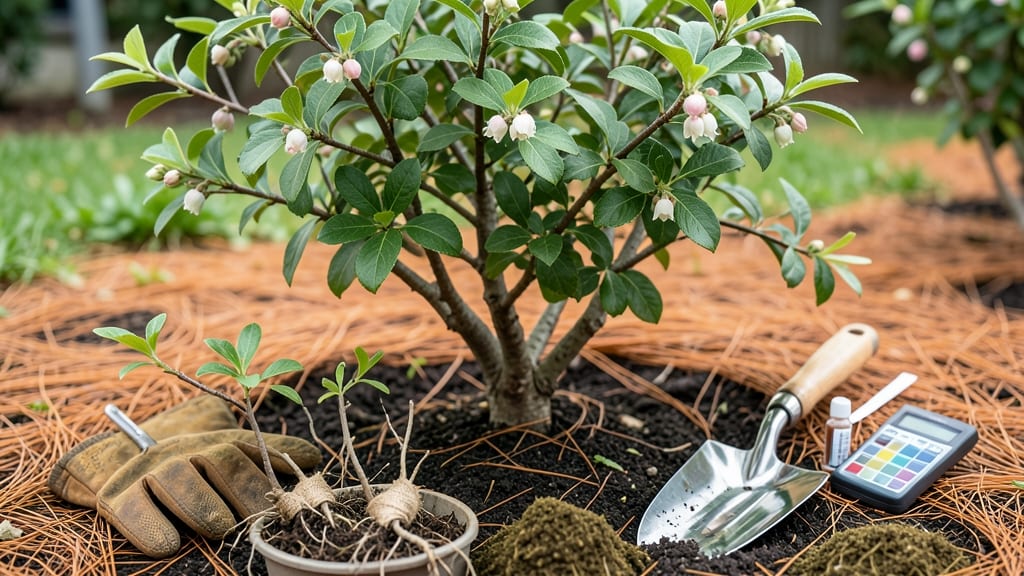
Planting blueberries in Indiana isn’t just about waiting for spring—it’s about matching the right variety to your local chill hours for a perfect harvest every year. With Indiana’s 6a zone climate, timing your 🫐 bushes correctly can mean the difference between thriving plants and wasted effort.
Most gardeners assume spring is the only time to plant, but fall can actually give your blueberries a head start.
The key is understanding how many chill hours your chosen variety needs—some thrive with just 300 hours, while others demand over 1,000—and how Indiana’s microclimates vary from north to south.
In this guide, I’ll break down the best planting windows, soil prep secrets, and how to protect your young bushes from late frosts. Whether you’re planting in-ground or containers, these tips will help you avoid common mistakes and set up your blueberries for years of sweet success.
Ready to grow blueberries that produce like crazy? Let’s get started with the exact steps that work in Indiana’s climate—no guesswork required.
Best planting months for blueberries in Indiana based on chill hours
Indiana’s climate ranges from USDA zones 5-7, creating 300–1,000+ chill hours across the state. This variation means Northern Highbush varieties thrive in cooler northern zones, while Rabbiteye and Half-High types suit southern Indiana’s warmer winters.
Planting at the right time—either late spring (April–May) or early fall (October)—maximizes root establishment before dormancy or summer heat.
Your chill-hour zone determines which varieties will fruit well. For example, ‘Duke’ (Rabbiteye) needs 700+ chill hours and excels in southern Indiana, while ‘Bluecrop’ (Northern Highbush) thrives with 300–500 hours in northern areas.
Misjudging chill hours can lead to poor yields or no fruit at all. Always check your local chill-hour data from the USDA Plant Hardiness Zone Map before selecting varieties.
📋 Summary Table: Best Planting Months by Indiana Zone & Variety
For northern Indiana (zones 5–6), aim for spring planting in April–May after the last frost (typically April 15). This gives roots time to establish before winter dormancy. Northern Highbush varieties like ‘Bluecrop’ and ‘Jersey’ perform best here.
If planting in fall (October), do so 6–8 weeks before frost to allow roots to harden off before winter.
In southern Indiana (zone 7), where winters are milder, you can plant as early as late March or extend fall planting to early October. Rabbiteye varieties like ‘Duke’ and ‘Climax’ thrive here but need 700+ chill hours.
Avoid planting in July–August—the heat stresses young plants, and they won’t recover in time for dormancy.
Container growing changes the timeline slightly. Potted blueberries can be planted 1–2 weeks earlier in spring or 2 weeks later in fall since containers warm up faster.
However, ensure pots have drainage holes and use acidic potting mix (pH 4.5–5.5). Move containers to a protected location if frost is forecasted after planting.
One common mistake is planting too late in spring (after June 1) or too early in fall (before September 1). Late spring plantings struggle with summer drought, while early fall plantings may not establish roots before frost.
Always water deeply after planting and mulch with pine needles to retain moisture and acidify the soil.
Pro tip: Test your soil’s pH before planting—blueberries require acidic soil (pH 4.5–5.5). If your soil is too alkaline, amend it with sulfur or peat moss 2–3 months before planting. This adjustment is critical for root health and fruit production, especially in Indiana’s limestone-rich soils.
🌱 Whether you’re in northern, central, or southern Indiana, matching your blueberry variety to chill hours and planting at the right time ensures healthy plants and abundant harvests.
Start with the summary table above, then verify your local chill hours to pick the perfect variety for your garden.
How to choose blueberry varieties that match Indiana’s chill requirements
Indiana’s climate varies from USDA Zone 5b in the north to Zone 6b in the south, meaning chill hours range from 6,000 to 8,000 annually. But not all blueberry varieties need that much cold to produce well.
Some thrive with as few as 300 chill hours, while others demand 1,000+ hours. Choosing the wrong variety can mean no fruit or poor yields, so matching your plants to your local chill hours is key.
First, check your local chill hours using the USDA Plant Hardiness Zone Map or your county’s agricultural extension office. For example, northern Indiana (Zone 5b) typically gets 7,000–8,000 chill hours, while southern Indiana (Zone 6b) sees 6,000–7,000 hours.
This data helps you pick varieties that won’t skip flowering due to insufficient cold exposure.
Here’s the critical comparison of top blueberry varieties that grow well in Indiana, ranked by their chill-hour requirements. Low-chill varieties are ideal for warmer microclimates or container growing, while high-chill types suit northern Indiana’s colder winters.
If you’re in southern Indiana (e.g., Evansville, Louisville areas), Duke or Jersey are excellent choices because they require fewer chill hours and still produce well. For northern Indiana (e.g., Fort Wayne, South Bend), Bluecrop or Patriot are safer bets—they handle harsher winters and deliver reliable harvests.
For container growing, prioritize low-chill varieties like Duke or Top Hat (another compact option). Containers can overheat in summer, so place them in partial shade during peak afternoons. Always use well-draining, acidic soil (pH 4.5–5.5) and mulch heavily to protect roots from temperature swings.
Pro tip: Mix low-chill and high-chill varieties in your garden to extend your harvest season. For example, plant Duke (early) alongside Chandler (late) to enjoy berries from June through August. Just ensure they’re cross-pollinated for best fruit set—most blueberries need at least two compatible varieties nearby.