
Plants
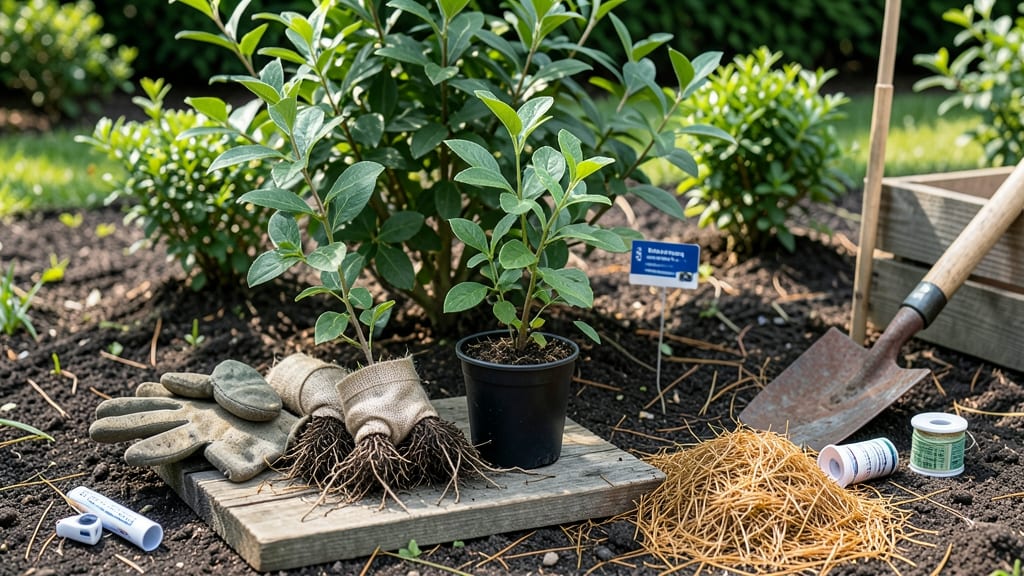
Planting blueberries in Maine isn’t just about the calendar—it’s about outsmarting frost and giving your 🫐 bushes the best shot at thriving. With our unpredictable spring weather, timing matters more than you might think, and getting it wrong could mean waiting another year for those sweet, juicy berries.
Most gardeners know spring is the classic window, but did you know fall planting can actually give your blueberries a head start? The key is understanding how Maine’s 5b-6b zones and microclimates—like coastal warmth versus inland chill—shift those ideal dates.
Whether you’re planting in-ground or containers, I’ll break down exactly when to dig in for best results.
Let’s cut through the guesswork: I’ll share the precise frost-free windows for early, mid-, and late-season varieties, plus pro tips for adjusting when late frosts strike. By the end, you’ll know exactly when to plant for a bumper crop—no more second-guessing, just confident gardening.
Ready to turn your blueberry patch into a Maine summer staple? Grab your gloves, and let’s get those bushes in the ground at the perfect moment.
Best planting windows for Maine blueberries by variety (northern vs southern exposure)
Maine’s cool climate and variable frost dates demand precise timing when planting blueberries. The last spring frost typically arrives between May 10-20, but coastal areas like Portland often warm 2 weeks earlier than inland zones like Presque Isle.
Understanding these differences ensures your 'Patriot,' 'Bluecrop,' or 'Jersey' bushes establish strong roots before winter.
For spring planting, aim for late April to early June—after the soil warms to 45°F and frost risk drops below 10%. Fall planting, however, offers a 6-week window from mid-August to early September, letting bushes root before dormancy.
Coastal regions can extend this slightly later due to milder microclimates.
Variety selection also impacts timing. Early-season types like 'Earliblue' thrive with earlier spring plantings, while late-season 'Bluecrop' benefits from fall establishment. Inland growers should prioritize hardier varieties like 'Duke' to withstand Zone 4 winters.
Here’s how exposure type affects your planting window:
Coastal Maine’s moderating ocean influence creates a 2-3 week earlier planting window compared to inland areas. For example, Bar Harbor can safely plant 'Jersey' blueberries by late August, while Bangor should wait until mid-September. Use local USDA frost maps to refine your schedule.
Inland regions like Augusta or Waterville face harsher microclimates with later frost returns. Here, fall planting of late varieties like 'Jersey' is risky—opt for spring instead. Monitor soil temperatures with a probe; 50°F+ for 7+ days signals readiness.
For container growing, adjust timing by 2 weeks earlier in spring (containers warm faster) and 2 weeks later in fall (they cool quicker). Coastal containers can extend fall planting to early October if protected with burlap wraps during cold snaps.
Pro tip: Mulch heavily (4-6 inches of pine straw) after planting to insulate roots. Inland growers should add extra mulch in October to shield from Zone 4 winters. Coastal areas can reduce mulch slightly due to milder winters.
Always verify your local frost dates via the National Weather Service or Maine Climate Office. A 5-day forecast of consistent 50°F+ nights confirms your spring window is open. For fall, aim to plant 6 weeks before the first 28°F frost.
Remember: Healthy roots before winter mean bigger yields next summer. Whether you’re in Zone 5b Portland or Zone 4b Presque Isle, timing is everything for Maine blueberries. 🫐
How to adjust planting timing for Maine’s unpredictable frost patterns
Maine’s hardiness zones 4-5 demand precise planting timing adjustments to protect young blueberry bushes from late frosts. Unlike warmer climates, your soil temperature must reach at least 45°F (7°C) before planting—even if air temps seem safe. I’ve learned this the hard way after watching newly planted bushes wilt overnight.
Spring planting in Maine typically starts after May 15, but this date shifts yearly. For fall planting, aim for August to early September—giving roots time to establish before winter.
Coastal areas like Bar Harbor may have 2-3 weeks earlier windows than inland spots like Bangor due to moderating ocean breezes.
⚠️ callout warning
Maine’s average last frost is May 15, but late frosts occur every 3-5 years—even in June. Use the USDA Plant Hardiness Zone Map to verify your exact zone, then add 2-3 weeks buffer to standard planting guides. For zone 4, wait until soil temps hit 50°F (10°C) consistently before planting.
To extend your planting window, I recommend using frost blankets or cold frames for late-season plantings. These tools can push your safe planting date back by 3-4 weeks, letting you plant in early June without risk.
For fall plantings, cover young bushes with straw mulch (6 inches deep) to insulate roots during early frosts.
Monitor local frost forecasts from the National Weather Service or Maine State Climate Office. Their 10-day outlooks predict minimum nighttime temps, which are critical for blueberry survival. I’ve found that low-pressure systems in May often trigger unexpected frosts—so stay vigilant.
For container-grown blueberries, move pots to protected microclimates like against south-facing walls or under tree canopies. These spots can add 5-10°F of warmth compared to open garden beds. I’ve successfully grown ‘Earliblue’ in containers on my Portland patio by using heat mats during cold snaps.
Finally, consider dwarf varieties like ‘Top Hat’, which mature faster and tolerate cooler soils. Their shorter stature also means they warm up quicker in spring. Pair this with black plastic mulch (which raises soil temps by 3-5°F) to create the ideal conditions for early planting success.