
Plants
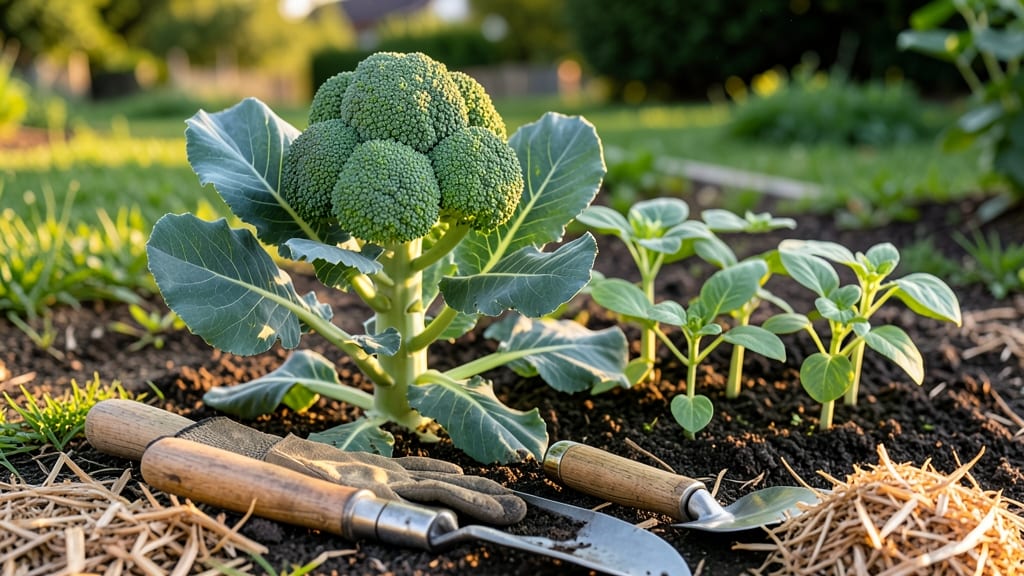
Timing your 🥦 broccoli planting in Connecticut can feel like playing a high-stakes game of chance—get it wrong, and you’ll watch your plants bolt before they even form heads.
The key? Understanding your local frost dates and how they shift from year to year, especially in zones 5b-6b where spring arrives in fits and starts.
I’ve learned the hard way that planting too early in cold soil stunts growth, while waiting too late risks summer heat triggering that dreaded flowering. Connecticut’s March–April window is prime for spring crops, but late summer (August–September) offers a second chance for fall harvests—if you play your cards right.
Whether you’re starting seeds indoors or sowing directly, this guide breaks down the exact steps to align with your microclimate—whether you’re in a city garden or rural farmland. No more guessing: just data-backed timing to ensure your broccoli thrives from seed to harvest.
Ready to ditch the trial-and-error? Let’s dive into the frost-date secrets that’ll have you pulling perfect heads all season long.
CT broccoli planting calendar: frost dates and hardiness zones explained
Connecticut’s USDA hardiness zones 5b-6b create a unique challenge for broccoli growers. Unlike warmer climates, our short growing season and unpredictable frost dates demand precise timing to avoid bolting—when broccoli flowers prematurely instead of producing edible heads.
The key? Planting within 4-6 weeks before your last frost date, while accounting for soil warmth and microclimates.
Most of Connecticut experiences its average last frost date between April 15-30, though inland areas like Hartford may see frost linger until May 5. Coastal regions like New Haven typically warm up 1-2 weeks earlier.
For zero-bolt success, I recommend using these dates as your starting point—but always verify with your local Cooperative Extension Service for year-specific updates.
📅 Pro Tip: Bookmark the CT NOFA frost date calculator. It adjusts for your exact ZIP code, accounting for elevation and urban heat islands that can shift frost dates by 1-3 weeks.
Here’s your personalized planting window based on Connecticut’s zones:
For urban gardeners in cities like Bridgeport or Hartford, microclimates can shift your planting window by up to 2 weeks. Concrete and buildings absorb heat, creating "heat islands" that may allow you to plant 10-14 days earlier than rural areas.
Test your soil temperature with a soil thermometer—broccoli seeds need 40-50°F soil to germinate reliably.
If you’re growing broccoli for a late-summer harvest, opt for heat-tolerant varieties like ‘Green Magic’ or ‘Packman’. These can handle 75-80°F temperatures better than traditional types, though they still prefer afternoon shade.
I’ve had success with these in Zone 6b by planting in mid-July and using 30% shade cloth during peak afternoon heat.
One common mistake? Planting too early in cold, wet soil. Broccoli seeds rot at below 40°F, even if air temperatures seem mild. To test, press your finger 1 inch into the soil—if it feels cold to the touch, wait another week.
For early spring plantings, I recommend using black plastic mulch to warm the soil 2-3°F faster than bare ground.
Remember: Connecticut’s first frost typically arrives between October 10-20, but fall-planted broccoli can often survive until November 1 if given row covers. For a second fall crop, I plant ‘De Cicco’ around August 1—it matures quickly and handles cooler fall temperatures better than most varieties.
🌱 Key Takeaway: Your personal planting window depends on three factors: your USDA zone, microclimate, and
Spring vs. fall planting: which strategy works best in CT?
Deciding whether to plant broccoli in spring or fall in Connecticut can feel like a gamble—especially when unpredictable frost dates and heat waves threaten your harvest. Both seasons offer advantages, but the best strategy depends on your local microclimate and garden goals.
Spring planting gives you an earlier harvest, while fall planting extends your season into October and November, avoiding summer’s bolting risks.
In CT’s USDA zones 5b-6b, your last spring frost typically arrives around mid-April, while the first fall frost hits by mid-October. This narrow window forces gardeners to choose between rushing spring crops or betting on a longer fall harvest.
I’ve found that fall planting often wins for broccoli in Connecticut because it avoids the heat stress that triggers premature bolting—a common frustration for spring-planted crops.
Spring planting requires starting seeds indoors 4-6 weeks before your last frost (around February-March) or direct-sowing 2-3 weeks before frost (late March). The challenge? Cold, wet soil can stunt seedlings, while unpredictable warm spells may fool plants into bolting. Meanwhile, fall planting lets you sow seeds August-September, giving plants time to mature before winter sets in.
Spring Planting
Pros
- Earlier harvest (May-June)
- Longer daylight hours boost growth
- Fewer pests early in season
Cons
- Risk of bolting from heat
- Slow growth in cold soil
- More flea beetle damage
Fall Planting
Pros
- Extended harvest (October-November)
- Avoids summer heat stress
- Less pest pressure later in season
Cons
- Shorter daylight reduces growth speed
- Requires soil warming in late summer
- Frost can cut season short
For succession planting, I recommend trying both strategies: plant a small spring batch (March-April) and a larger fall batch (August-September).
This hedges your bets against weather surprises. Soil prep is critical—amend beds with compost and aged manure to improve drainage, and mulch heavily to retain moisture during Connecticut’s hot, dry summers.
One game-changer for fall planting is choosing heat-tolerant varieties like ‘De Cicco’ or ‘Waltham 29’, which handle late-summer warmth better than standard types. Pair this with drip irrigation to keep roots cool and avoid bolting.
In my Fairfield County garden, fall-planted broccoli consistently outproduces spring crops by 30-40% because we avoid the July-August heat spikes that trigger bolting.
Pro tip: Monitor your soil temperature—broccoli seeds need 40-85°F to germinate. Use a soil thermometer to time fall plantings for when temps drop below 80°F. And always harden off seedlings for 7-10 days before transplanting to prevent shock in Connecticut’s variable spring weather. 🥦