
Plants
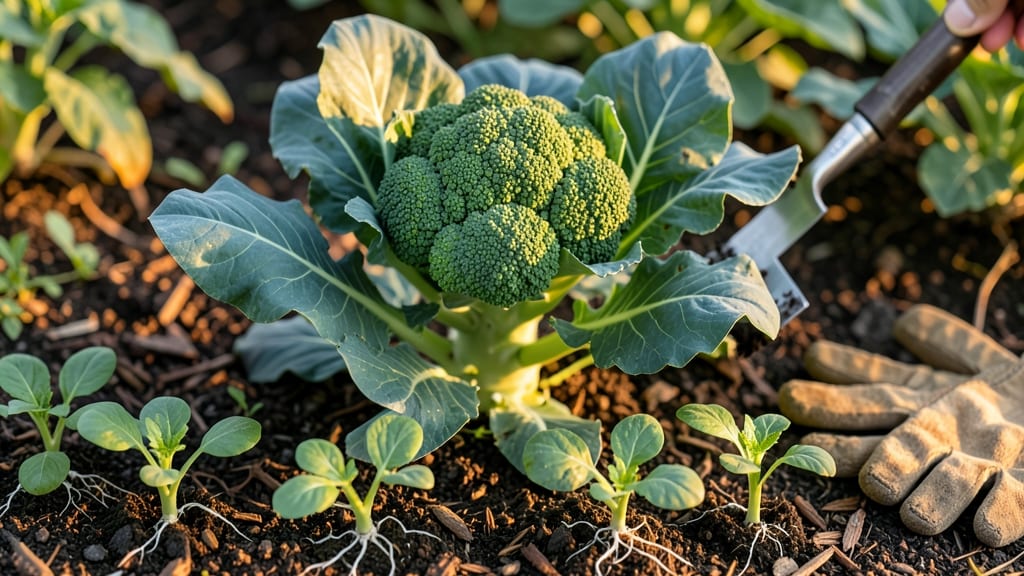
Timing your 🥦 broccoli planting in Indiana isn’t just about the calendar—it’s about dodging frost, heat, and the dreaded bolting that turns your hard work into bitter disappointment.
Plant too early, and a late frost will wipe out your seedlings; too late, and summer’s heat sends your plants racing to seed before you get a single harvest. The key? Nailing those 3 critical windows—early spring, late summer, and even fall—where Indiana’s climate actually works in your favor.
Most gardeners in zones 5b-6b swear by late March or early April for spring planting, but that’s just the starting point.
What you really need is a strategy that accounts for your specific frost dates, soil warmth, and even microclimates within Indiana—like the cooler pockets of northern counties versus the faster-warming southern regions.
I’ll show you exactly how to calculate your perfect planting dates, so you’re not guessing whether your 🥦 broccoli will bolt or thrive.
Here’s the game-changer: succession planting. By spacing out your 🥦 broccoli seeds every 2-3 weeks in spring or late July-August, you can stretch your harvest from May through October—no bolting, no wasted effort.
And yes, even fall plantings can work if you choose the right cold-hardy varieties and protect them from early frosts. Let’s break down the exact steps to make this happen in your garden.
Whether you’re a first-time gardener or a seasoned pro, these Indiana-specific tips will help you avoid the most common mistakes—like overcrowding or skipping soil prep—that turn promising broccoli beds into disappointment. Ready to grow 🥦 broccoli that’s heady, healthy, and ready to harvest? Let’s get started.
Indiana’s broccoli planting zones: frost dates and ideal timing
Indiana’s USDA Hardiness Zones 5b-6b create a unique challenge for broccoli growers—cool springs and hot summers demand precise timing to avoid bolting (premature flowering). The key is understanding your local frost dates and planting in three strategic windows: spring, summer, and fall.
Northern Indiana (Zones 5b) has later last frosts, while southern Indiana (Zone 6b) enjoys an extra 2-3 weeks of growing season.
For most of Indiana, the average last frost date falls between April 15 (north) and April 1 (south). Meanwhile, the first frost typically arrives around October 15, though microclimates near lakes or urban areas can delay frost by 1-2 weeks.
Use these dates as your planting anchors—broccoli needs 50-80 days to mature, depending on the variety.
Your spring planting window opens 4-6 weeks before your last frost date. For northern Indiana, this means sowing seeds indoors by March 1 or directly outdoors by March 15. Southern Indiana gardeners can start even earlier—late February for indoor starts or early March for direct sowing.
Use cold-hardy varieties like ‘Waltham 29’ or ‘De Cicco’ to handle Indiana’s unpredictable early springs.
Summer planting is your second chance to avoid bolting. Sow seeds in late July for a fall harvest, but choose heat-tolerant varieties like ‘Belstar’ or ‘Calabrese’.
These varieties mature faster (50-60 days) and handle Indiana’s summer heat better than traditional types. Space plants 18–24 inches apart to improve airflow and reduce stress.
Fall planting is critical for extending your harvest into October or November. Start seeds indoors by August 1 (northern Indiana) or July 15 (southern Indiana), then transplant outdoors 3-4 weeks later.
Use row covers or cold frames to protect plants from early frosts. For a continuous harvest, stagger plantings every 2 weeks from July through August.
To calculate your own planting dates, subtract your frost-free days (typically 165 days in Indiana) from the first frost date (October 15). For example, if you want a fall harvest, plant seeds 90–120 days before October 15—around July 1–August 1.
Use local weather data from sources like the Indiana State Climate Office to refine these dates for your specific microclimate.
Protect young seedlings from late spring frosts with floating row covers or cloche tunnels. In northern Indiana, these can extend your growing season by 2-3 weeks.
For southern Indiana, focus on shade cloth during summer’s peak heat to prevent bolting. Mulch with straw or grass clippings to retain soil moisture and regulate temperature.
Bolting is your biggest enemy in Indiana’s climate. To prevent it, avoid planting broccoli when daytime temperatures exceed 80°F (27°C). If you notice purple stems or yellowing leaves, your plants are stressed—immediately move them to partial shade and increase watering.
Choose early-maturing varieties (50-60 days) for summer plantings to beat the heat.
Test your soil’s pH (6.0–7.0) and nitrogen levels before planting—Indiana’s clay soils often need compost or aged manure to improve drainage. Side-dress with balanced fertilizer (10-10-10) when plants are 6 inches tall, but
How to extend your broccoli harvest season in Indiana (without bolting)
Indiana’s hot summers and unpredictable weather can turn broccoli plants into bitter, seed-producing bolts before you even get to harvest. The key to a long harvest season is strategic planting and heat management.
By using succession planting, row covers, and heat-tolerant varieties, you can stretch your broccoli harvest from spring through fall without losing plants to bolting.
My favorite method? Planting ‘Waltham 29’ and ‘De Cicco’ varieties—both handle Indiana’s summer heat better than standard types. These varieties stay productive even when temperatures climb above 85°F, which is when most broccoli throws in the towel.
Combine them with shade cloth or lightweight row covers, and you’ll have broccoli heads ready to pick for months.
For a foolproof schedule, I plant my first batch in early March (4-6 weeks before the last frost) and follow with weekly successions until mid-July. This ensures I have broccoli ready to harvest from May through October.
The secret? Adjusting plant spacing—give each plant 18-24 inches of space to prevent competition, which stresses plants and triggers bolting.
If you’re worried about late-summer heat, try planting a fall crop in August. Use black plastic mulch to warm the soil and shade cloth to protect seedlings.
By mid-September, your plants will be thriving in cooler temps, and you’ll have fresh broccoli just in time for holiday meals.
Pro tip: Harvest regularly—don’t let heads get too large. Overgrown broccoli bolts faster, and those yellowing flowers mean it’s too late. With this strategy, I’ve had three successful harvests in a single season, and you can too!