
Plants
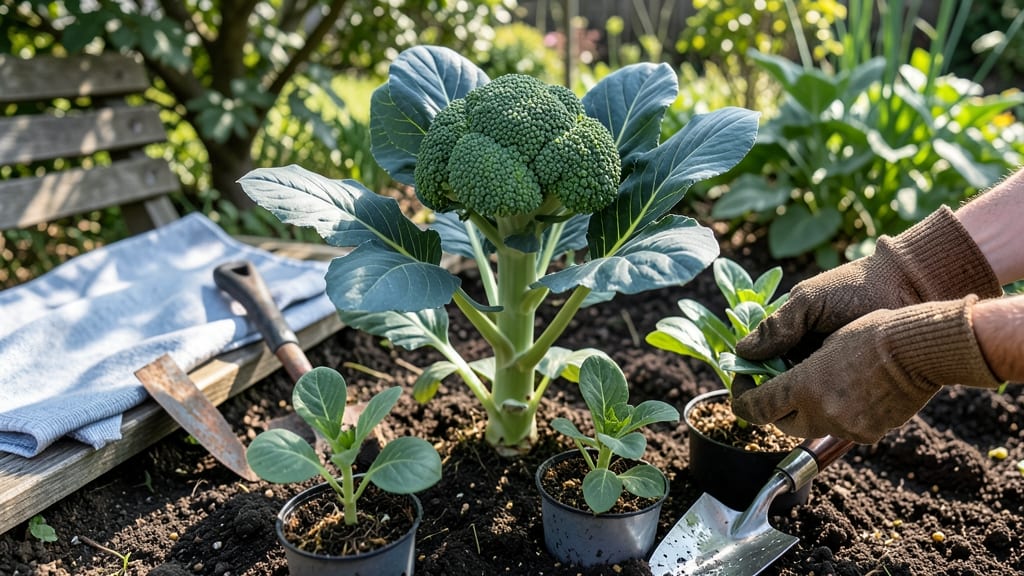
Timing your 🥦 broccoli planting in Minnesota isn’t just about the calendar—it’s about outsmarting frost, heat, and those sneaky 160 frost-free days that make or break your harvest. Plant too early, and a late frost will turn your seedlings into sad, wilted memories.
Too late, and your broccoli bolts faster than a snowstorm in October, leaving you with bitter stems instead of tender heads.
I’ve learned the hard way that Minnesota’s 4a-5b zones demand precision: mid-April to early June for spring plantings, and late July to early August for fall crops. Skip this window, and you’ll either be waiting forever for harvest or scrambling to salvage a half-finished garden.
The key? Knowing exactly when to start seeds indoors versus direct-sowing outdoors—and how to protect your plants when Mother Nature throws a curveball.
What if I told you there’s a way to stretch your growing season by 30 days without fancy (or expensive) gear? From row covers to succession planting, I’ll share the exact strategies Minnesota gardeners use to cheat frost and heat—so you can enjoy fresh 🥦 broccoli from July through November.
No guesswork, just proven tactics for zero-bolt success.
Ready to turn your garden into a broccoli powerhouse? Let’s dive into the frost-date cheat sheet that’ll have you harvesting like a pro—no more wasted seeds or bolted dreams.
Minnesota broccoli planting timeline by frost Zone: avoid bolting and frost damage
Minnesota’s frost dates can make or break your broccoli harvest. Plant too early, and a late frost will kill tender seedlings. Wait too long, and your plants bolt before forming heads.
The key is matching your USDA Zone to precise last-frost averages—here’s how to nail it for zones 4a-5b.
Broccoli thrives in cool weather but bolts when temperatures climb above 75°F. Minnesota’s spring planting window opens when soil warms to 40°F, while fall plantings must happen 90 days before first frost. Let’s break down the exact timing for each zone to maximize your harvest success.
Pro Tip: Use row covers to extend your season by 2-3 weeks in both spring and fall. This simple trick lets you plant earlier or later without risking frost damage.
| Zone | Last Frost Date | Spring Planting Window | Fall Planting Window | Soil Temp Requirement | Key Notes |
|---|---|---|---|---|---|
| 4a (Northern MN) | May 15-20 | April 20 - May 10 | July 20 - August 5 | 40-45°F | Use row covers to extend spring by 2 weeks |
| 4b (Central MN) | May 10-15 | April 10 - May 5 | July 10 - July 30 | 40-45°F | Start indoors 6 weeks before last frost |
| 5a (Southern MN) | May 5-10 | March 20 - April 15 | June 20 - July 15 | 40-50°F | Direct sow early or transplant late for fall |
| 5b (Southeast MN) | May 1-5 | March 15 - April 10 | June 10 - July 10 | 45-50°F | Try succession planting every 2 weeks |
For spring planting, aim to transplant 4-6 weeks before your last frost date. In Zone 4a, that means waiting until mid-April to avoid frost damage. In Zone 5b, you can start as early as mid-March for early varieties like ‘De Cicco’, which tolerates cooler soils.
Fall planting requires more precision. Broccoli needs 90-100 days to mature, so calculate your first frost date (typically mid-October) and count backward. In Zone 4a, plant by July 20; in Zone 5b, you can push it to early August for a late harvest.
Soil temperature is just as critical as air temperature. Use a soil thermometer to confirm your soil is at least 40°F before planting. Cold soil slows germination and makes seedlings vulnerable to damping off. Amend your soil with compost to warm it faster in spring.
If you’re direct sowing seeds, plant them ¼ inch deep and keep them moist until they sprout (typically <
5 Pro tips to extend Minnesota broccoli growing season without risking bolting
Minnesota’s short growing season makes broccoli cultivation a delicate balancing act. With frost dates looming, I’ve learned these tricks to stretch your harvest without risking premature bolting. The key? Combining cold-hardy varieties with smart timing and protective layers.
First, soil temperature is your secret weapon. Broccoli seeds need soil at 40°F or warmer to germinate, but seedlings can handle light frosts once established. I always test soil with a thermometer—wait until early May in most of Minnesota before planting outdoors.
Here’s how to maximize your harvest with zero bolting risk:
For fall planting, I swear by late-July starts under shade cloth. This cools soil and delays bolting until October harvests. Pair broccoli with bush beans or lettuce to maximize space—beans fix nitrogen, while lettuce shades roots.
Pro tip: If temperatures spike above 80°F, use shade cloth (30-50%) to protect plants. I’ve seen broccoli bolt in just 3 days of heat stress—don’t let that happen to your crop!
With these tricks, I’ve stretched my broccoli season from June to November—no bolting, no frost losses. Your garden can too!