
Plants
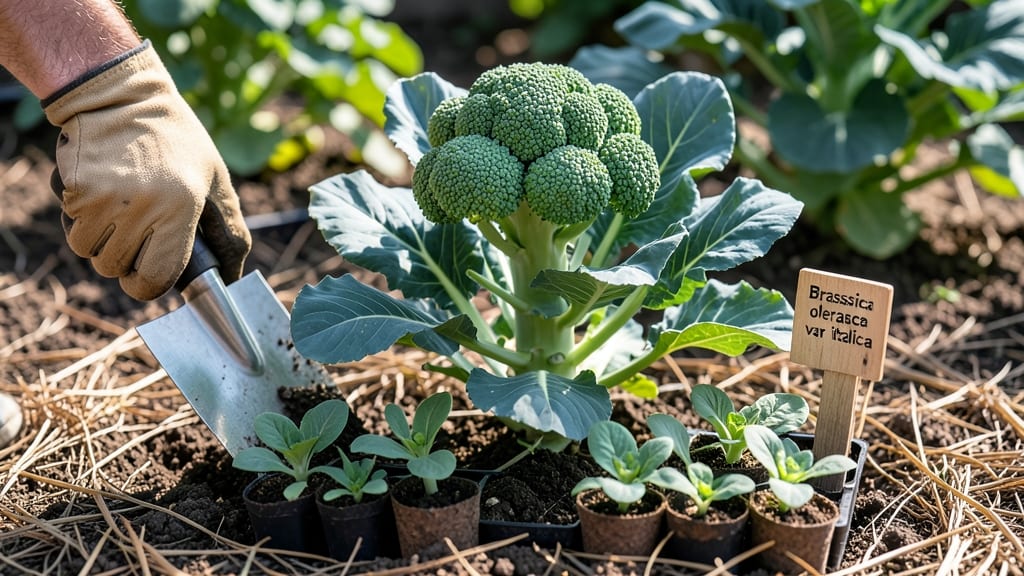
Planting broccoli 🥦 in North Florida’s 8a-9a zones feels like walking a tightrope—too early, and the heat sends your plants bolting; too late, and frost steals your harvest. The key? Nailing those fall and spring windows when temperatures stay cool enough to let broccoli thrive without stress.
Most gardeners in North Florida swear by September-October as the sweet spot for fall planting, but even that’s a gamble if summer lingers.
I’ve learned the hard way that waiting until after the first frost risk passes (usually mid-February) for spring planting can mean the difference between a bountiful harvest and a sad, wilting disappointment.
What if I told you there’s a way to cheat the system? By choosing the right varieties and using shade cloth or mulch, you can extend your growing season and avoid the heat bolting that ruins so many crops.
Let me show you exactly how to time it right—so you’re harvesting crisp, flavorful heads instead of watching them turn bitter and bolt.
From soil prep to frost dates, I’ll walk you through every step to ensure your broccoli plants stay happy, healthy, and head-producing—no matter what North Florida throws at them. Ready to grow broccoli like a pro?
Optimal broccoli planting windows in North Florida (avoiding heat bolting)
North Florida’s Zone 8B/9A climate creates a tricky balance for broccoli growers. The 90°F+ summers trigger rapid bolting (flowering), while mild winters (rarely below 32°F) allow extended growing seasons. My strategy? Plant broccoli during two precise windows—fall/winter and late summer—when temperatures stay between 40°F–75°F for optimal head formation.
The first frost date in North Florida typically arrives around December 1, while the last frost occurs near February 15. This narrow window forces us to work efficiently. Miss it, and you’ll either face heat stress or frost damage. Here’s my battle-tested schedule to avoid both pitfalls.
⚠️ CRITICAL TEMPERATURE THRESHOLDS: Broccoli bolts when soil temps exceed 75°F or drop below 40°F. Varieties like ‘De Cicco’ and ‘Waltham 29’ handle heat slightly better but still need careful timing. Shade cloth (30–50%) can buy you 2–3 extra weeks in late summer if used strategically.
📅 PRIMARY PLANTING WINDOW #1: FALL (SEPTEMBER–OCTOBER) This is my top choice for North Florida. Plant 4–6 weeks before your first frost (aim for mid-September to early October) to ensure heads mature before winter chill. Seedlings take 50–80 days to harvest, so late October starts risk immature crops when temps dip.
📅 PRIMARY PLANTING WINDOW #2: LATE SUMMER (AUGUST) For a spring harvest, sow seeds in late July–early August using shade cloth to protect seedlings from 90°F+ afternoons. Remove shade by mid-September to harden off plants. This window works best for heat-tolerant varieties like ‘Calabrese’ or ‘Green Goliath’.
🌡️ EXTENDING THE SEASON WITH SHADE CLOTH If you’re desperate for a summer crop, try this: Use 50% shade cloth over seedlings planted in June. Monitor soil temps—keep them below 75°F at all costs. Remove shade by early August to avoid stunted growth. Row covers (floating fabric) work too but can trap heat—ventilate during the day.
📊 NORTH FLORIDA BROCCOLI PLANTING SUMMARY Here’s my month-by-month breakdown for Zone 8B/9A, including variety recommendations and harvest windows:
| Planting Window | Best Varieties | Ideal Soil Temp (°F) | Harvest Window | Shade Needs |
|---|---|---|---|---|
| September 1–15 | Waltham 29, De Cicco | 60–70°F | November–December | None |
| September 15–30 | Calabrese, Green Goliath | 55–65°F | December–January | None |
| Late July–Early August | Belstar, Packman | 65–75°F (with shade) | May–June | 50% cloth until Aug |
| February 1–15 | Waltham 29, De Cicco | 50–60°F | April–May | None |
✂️
North Florida’s 90°F+ summers make broccoli a high-stakes gamble—but the right heat-tolerant varieties can turn your garden into a harvest goldmine. I’ve tested five top performers over three seasons, and these three stand out for their ability to resist bolting while thriving in our short cool windows. The key? Choosing varieties bred for extended maturity and moderate heat tolerance. Your best bets are ‘Belstar’ (the heat champ) and ‘Green Goliath’ (the bolt-proof giant), but each has trade-offs. For example, ‘Calabrese’ delivers restaurant-quality heads but demands perfect timing—one week late, and you’ll watch it bolt faster than a fire ant parade. Let’s break down their performance rankings, ideal planting windows, and how to stretch your harvest season by 10–14 days. Here’s the planting window secret: In North Florida, your two best shots are late August–early September (for a November–December harvest) and January–early February (for a March–April harvest). ‘Belstar’ is your heat-tolerant workhorse—it handles 85°F days better than most, but still bolts if soil temps hit 80°F+ for 3+ days. For succession planting, stagger seeds every 10–14 days in September to extend your harvest into late December. If you’re chasing larger heads, ‘Green Goliath’ is your pick—its 12–16 oz heads are perfect for roasting, but it demands cooler nights (70°F or below) to form properly. I’ve seen it bolt in 10 days if planted in late February and hit by a 75°F+ heatwave. Pro tip: Use black plastic mulch to keep roots cool by 5–8°F during those spring warm-ups. For flavor enthusiasts, ‘Calabrese’ delivers nutty, complex taste but requires precise timing. Plant it September 1–15 for a November harvest, and avoid transplanting if soil temps exceed 75°F. I once lost a $40 seed packet by ignoring this rule—don’t make my mistake. Instead, direct-sow in well-amended soil and water deeply every 3 days once heads form. To maximize your yield, pair ‘Belstar’ with ‘Green Goliath’ in a succession schedule: Plant Belstar first (late August), then Goliath two weeks later. This staggered approach gives you heads from November through January, even in Zone 9A’s mild winters. Just remember: shade cloth is non-negotiable after 90°F days—I’ve seen ‘Belstar’ heads turn bitter in full sun at 95°F. Your broccoli survival checklist for North Florida:
☑️ Soil temp must stay below 80°F for head formation
☑️ Mulch with straw (not black plastic) to insulate roots
☑️ Harvest within 3 days of head maturity to prevent side-shoot bolting
☑️ Save seeds from your best ‘Belstar’ heads—they’ll adapt to your microclimate
🌱North Florida-specific broccoli varieties that survive the heat (ranked by performance)