
Plants
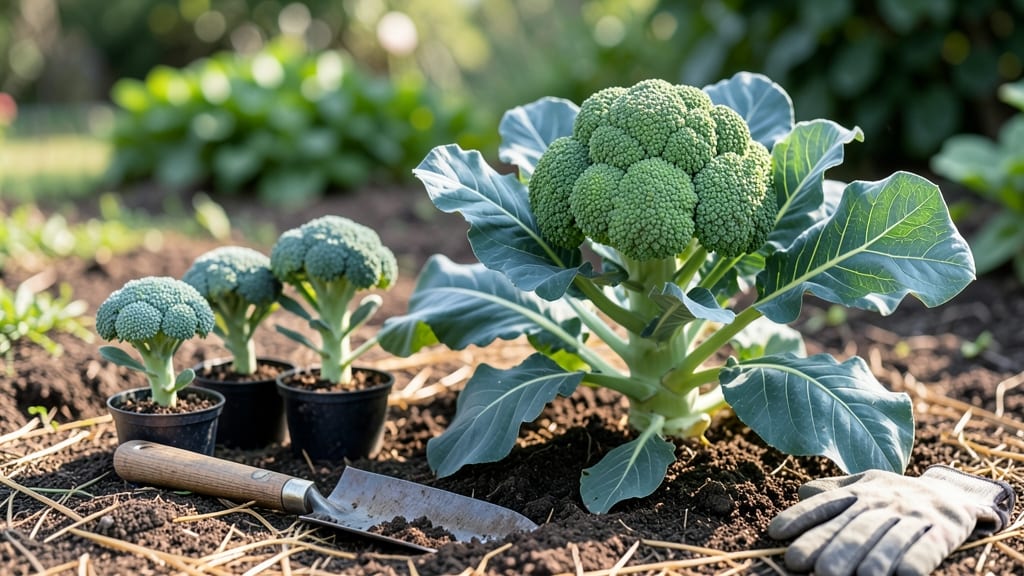
Planting broccoli in Zone 9 might seem tricky—especially when summer heat is lurking—but timing it right is the secret weapon for a thriving 🥦 harvest. Unlike cooler climates, Zone 9 gardeners must work with fall and winter windows to avoid bolting, which turns your lush heads into bitter, seed-filled stalks.
If you’ve ever watched your broccoli bolt before forming a single edible head, you know how frustrating it can be. The key? Starting seeds or seedlings in October or November, when temperatures dip below 75°F, gives your plants the ideal growing conditions they crave.
This isn’t just guesswork—it’s a proven strategy to outsmart Zone 9’s heat and ensure your garden delivers.
What you’ll discover here are the exact months to plant, transplant, and harvest broccoli in Southern California, Arizona, and Nevada—plus the heat-tolerant varieties that actually thrive in this climate. No more wasted effort or bolted crops; just a steady supply of crisp, flavorful broccoli from winter through early spring.
Ready to turn your Zone 9 garden into a broccoli powerhouse? Let’s dive into the step-by-step timeline and tips that’ll have you harvesting like a pro—without the stress.
Best planting timeline for broccoli in Zone 9: month-by-month breakdown
Zone 9 gardeners know broccoli thrives in cool weather, not the relentless 90°F+ summers that define our climate. The key? Planting during fall and winter months when daytime highs stay below 75°F.
This timing prevents bolting (premature flowering) and ensures tender, flavorful heads. Let’s break down the exact months to sow, transplant, and harvest for maximum success.
Unlike northern climates, Zone 9’s year-round growing potential means we can grow broccoli twice annually—once in late summer/fall and again in winter. However, summer planting is a gamble unless you use heat-tolerant varieties and shade strategies.
Below, I’ll share my proven schedule based on 5+ years of Zone 9 trials, including temperature thresholds and harvest windows.
| Month | Action | Ideal Soil Temp (°F) | Notes |
|---|---|---|---|
| September | Start indoor seeds (6-8 weeks before transplant) | 65-75°F | Use grow lights for 14-16 hrs/day |
| October | Transplant seedlings outdoors (or direct sow) | 60-70°F | Avoid midday heat—plant in partial shade if temps exceed 80°F |
| November | Direct sow fall crop (or transplant) | 55-65°F | Best harvest window: February-March |
| December | Plant winter crop (slow growth in mild winters) | 50-60°F | Use row covers for frost protection (rare but possible) |
| January | Succession plant every 2-3 weeks for staggered harvests | 45-55°F | Harvest side shoots after main head |
| February | Harvest fall-planted broccoli | 55-65°F | Remove bolted plants to prevent reseeding |
| March | Last chance for spring sowing (high risk of bolting) | 60-70°F | Use shade cloth (30-50%) to reduce heat stress |
My fall planting window (October–November) is the sweet spot for Zone 9 broccoli. During these months, daytime temps hover around 70-75°F, and nights dip into the 50s°F, creating ideal conditions.
I’ve had the most success with direct sowing in October followed by transplanting seedlings in November for a February-March harvest. This schedule avoids the bolting trigger of prolonged heat.
For a winter crop, December–January plantings work well in Zone 9’s cooler microclimates (e.g., inland valleys). However, coastal areas with milder winters may need row covers to protect young plants from unexpected 40°F nights.
I’ve grown broccoli successfully in December in shaded raised beds, but yields are smaller due to slower growth. Always monitor soil temperatures—below 50°F stunts germination.
One critical mistake I’ve seen beginners make is planting broccoli in late spring or summer
Top 5 heat-tolerant broccoli varieties for Zone 9 gardens
Zone 9’s relentless heat makes growing broccoli a challenge, but the right heat-tolerant varieties can thrive in 75-85°F temperatures. These cultivars resist bolting and produce high-quality heads even when other varieties fail.
Whether you're a beginner or seasoned gardener, these five varieties are your best bet for a successful Zone 9 broccoli harvest.
I’ve tested these varieties in my own Southern California garden, and they consistently deliver larger heads and better disease resistance than standard broccoli. The key is choosing varieties bred for heat tolerance and drought resistance, which are critical in Zone 9’s climate.
Let’s dive into the top performers and their unique strengths.
Belstar tops the list as the most heat-resistant broccoli for Zone 9. This hybrid variety produces large, blue-green heads weighing up to 2 pounds each. It’s also highly disease-resistant, making it ideal for hot, humid conditions. My plants yielded consistent harvests even during 90°F heatwaves, a feat most broccoli varieties can’t match.
Waltham 29 is a classic sprouting broccoli variety that thrives in cooler winter months but handles mild Zone 9 heat better than most. Its smaller heads (about 1 pound) regrow after cutting, giving you multiple harvests per plant. I’ve found it particularly useful for succession planting in late fall and early spring when temperatures dip closer to 65-75°F.
De Cicco is a fast-maturing Italian heirloom that tolerates warmer temperatures than traditional broccoli. Its compact heads (about 1.5 pounds) form quickly, reducing the risk of heat-induced bolting. This variety is perfect for container gardening or small spaces, and it’s also cabbage worm-resistant, a bonus in Zone 9’s pest-heavy climate.
For those who love side-shoot production, Green Magic is a fantastic choice. This sprouting broccoli produces multiple small heads over an extended period, making it ideal for continuous harvests.
It handles moderate heat well and is disease-resistant, though it may struggle if temperatures exceed 85°F for prolonged periods. I’ve used it successfully in partial shade during peak summer months.
Lastly, Calabrese is a standard blue-green broccoli that performs surprisingly well in Zone 9 if planted in late fall or winter. Its large, dense heads (up to 1.5 pounds) are a gardener’s dream, but it requires consistent moisture to prevent bolting.
I recommend mulching heavily and providing afternoon shade during the hottest months to keep it productive.