
Plants
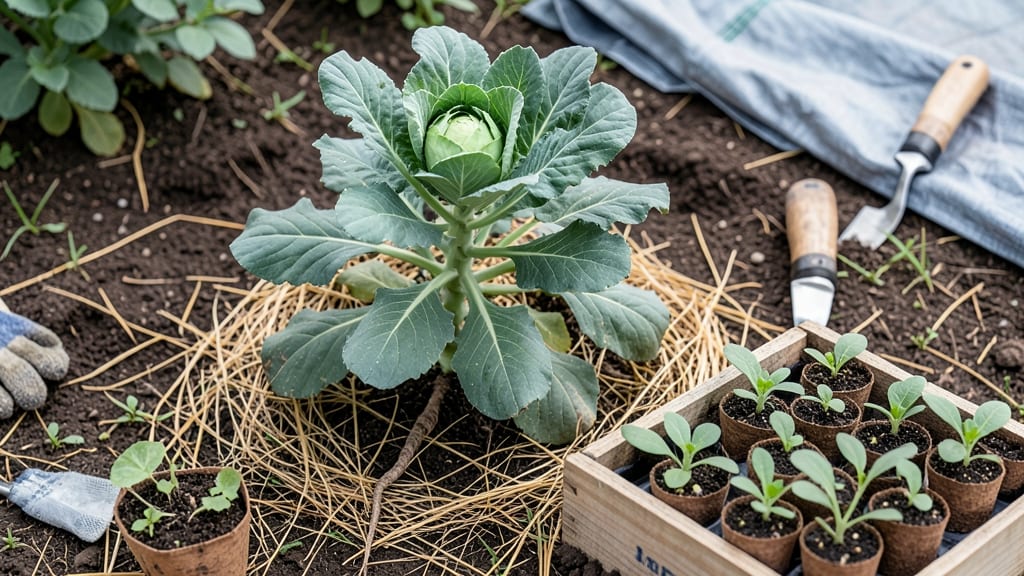
Planting Brussel sprouts 🥦 in Colorado can feel like a high-stakes game of timing—get it wrong, and you’re left with frost-nipped seedlings or bitter-tasting harvests.
The key to success lies in understanding your local hardiness zone, whether you're in Denver’s 6a or the Western Slope’s 7a, and aligning your planting with Colorado’s unpredictable weather patterns.
Most gardeners make the mistake of treating Brussel sprouts like other warm-weather crops, but these cool-season powerhouses actually prefer to be planted early in spring or late in summer.
If you plant too late, your sprouts might bolt before frost, while planting too early can leave them vulnerable to cold snaps. The trick is to start seeds indoors 8-10 weeks before your last frost date—or transplant hardened-off seedlings just as the soil warms to 45°F.
In this guide, I’ll break down the exact planting windows for Colorado’s 5-8 zones, including frost-proof strategies to extend your harvest window. Whether you’re a first-time gardener or a seasoned pro, these tips will help you grow crisp, flavorful sprouts from August through December—no guesswork required.
Ready to transform your garden into a Brussel sprout powerhouse? Let’s dive into the step-by-step schedule that works for Colorado’s climate, so you can enjoy homegrown harvests all season long.
Colorado hardiness zones: best planting months for Brussel sprouts by region
Colorado’s diverse hardiness zones (5-8) create unique challenges for growing Brussel sprouts. The Front Range (Denver, Boulder) typically falls in Zone 6a, while the Western Slope (Grand Junction, Aspen) ranges from Zone 6b to 7a.
Meanwhile, the Eastern Plains (Pueblo, Fort Collins) often sits in Zone 5a, where colder springs demand earlier planting. Understanding these zones helps you avoid frost damage and maximize your harvest.
Brussel sprouts thrive in Colorado’s cool nights but struggle with late frosts or early heatwaves. The key is planting when soil temperatures reach 45°F (7°C)—ideal for germination—and spacing out sowings to ensure a continuous harvest.
In Zone 5a, for example, you’ll need to start seeds indoors in March to transplant outdoors by late April, while Zone 7a gardeners can direct-sow as early as mid-March.
Here’s how to align your planting schedule with Colorado’s microclimates and frost-free dates:
| Region | USDA Zone | Last Frost Date | First Frost Date | Spring Planting Window | Fall Planting Window | Soil Temp for Germination |
|---|---|---|---|---|---|---|
| Eastern Plains (Pueblo, Fort Collins) | 5a | May 1–15 | October 1–15 | March 15–April 30 (indoor starts) | July 15–August 15 | 45–50°F (7–10°C) |
| Front Range (Denver, Boulder) | 6a | May 15–June 1 | October 15–30 | April 1–May 15 (direct sow) | July 1–August 1 | 45–50°F (7–10°C) |
| Western Slope (Grand Junction, Aspen) | 6b–7a | May 1–15 (Zone 6b) / May 15–June 1 (Zone 7a) | September 15–October 15 | March 15–April 30 (direct sow) | June 15–July 15 | 45–55°F (7–13°C) |
For Zone 5a gardeners, like those in Pueblo, I recommend starting seeds indoors in late February to transplant outdoors by late April. This gives your plants enough time to mature before the first frost in October.
Use row covers if planting early to protect against unexpected late spring frosts, which can damage young seedlings.
In Zone 6a (Denver/Boulder), direct-sow seeds in early April for a spring crop or mid-July for a fall harvest. The Western Slope’s warmer microclimate (Zones 6b–7a) allows for earlier sowings—mid-March—and a longer growing season.
However, high-elevation areas like Aspen (Zone 6b) may still need row covers for added protection.
Soil temperature is critical for germination success. Use a soil thermometer to confirm your garden beds are at least 45°F (7°C) before planting. In cooler zones, wait until soil warms to 50°F (10°C) to speed up sprouting.
Amend your soil with compost to improve drainage, as Brussel sprouts hate soggy roots.
Pro tip: Plant cold-hardy varieties like ‘Long Island Improved’ or ‘Ruby Ball’ for better frost tolerance. These varieties can handle light frosts and produce sweeter sprouts in Colorado’s cool nights. Space plants 18–24 inches apart to allow airflow and prevent
Frost-proof planting strategies: extending the growing season in Colorado’s short summers
Colorado’s short growing season and unpredictable late frosts can turn brussel sprouts into a high-risk crop. But with the right strategies, you can protect your plants and enjoy harvests from August through December.
The key lies in succession planting, cold-hardy varieties, and smart frost protection—especially in high-altitude gardens (5,000–10,000 ft) where temps drop faster. Let’s break down how to beat frost and maximize your yield.
First, focus on fall planting, which is your safest bet in Colorado. Start seeds indoors 8–10 weeks before your first frost date (typically mid-July for most regions).
For high-altitude areas (Zone 5–6), aim for early July to ensure mature plants before frost. Spring planting is riskier but possible if you use row covers to shield young plants from late May frosts. Pro tip: ‘Long Island Improved’ and ‘Ruby Ball’ varieties handle cold better than others.
Here’s the golden rule: Plant in stages every 2–3 weeks from July through August. This staggered approach ensures a continuous harvest and reduces frost damage risk.
For example, if your first frost hits October 15, your last planting should go in by early September to mature before cold sets in. High-altitude gardeners should adjust this by 2–3 weeks earlier to account for earlier frosts.
Colorado Frost-Proof Planting Schedule
- Zone 5 (Eastern Plains): Plant July 1–Aug 15 for fall harvest
- Zone 6 (Denver Metro): Plant July 15–Aug 30 with row covers
- Zone 7 (Western Slope): Plant Aug 1–Sept 15 for late harvests
- High Altitude (5,000–10,000 ft): Start 2–3 weeks earlier and use heavy row covers
Don’t underestimate the power of row covers and low tunnels. A simple floating row cover can raise soil temps by 5–8°F and protect plants down to 20°F. For high-altitude gardens, combine row covers with black plastic mulch to absorb heat during the day.
If a hard frost is forecasted (below 25°F), drape burlap or frost cloth over plants and secure with bricks or stakes. Even a light frost (28–32°F) can damage young sprouts, so monitor forecasts and act fast.
Another game-changer is succession planting with fast-maturing varieties. Choose ‘Tasty-Top’ or ‘Jade Cross’, which mature in 80–90 days—perfect for Colorado’s short season. Plant the first batch in early July, then follow with 2–3 more plantings every 2 weeks.
This ensures you’ll have harvest-ready sprouts from late September through November, even if late frosts hit. Pro move: Use dwarf varieties in containers if your space is limited—they’re easier to protect and harvest.
Finally, soil prep is non-negotiable. Brussel sprouts hate soggy soil, so amend your beds with compost and coarse sand to improve drainage—critical in Colorado’s clay-heavy mountain soils. Add a 2–3 inch layer of straw mulch after planting to insulate roots and retain moisture.
In high-altitude gardens, consider raised beds filled with a 50/50 mix of soil and compost to warm up faster in spring. With these tactics, you’ll outsmart frost and enjoy homegrown brussel sprouts long after your neighbors’ gardens have frozen over.