
Plants
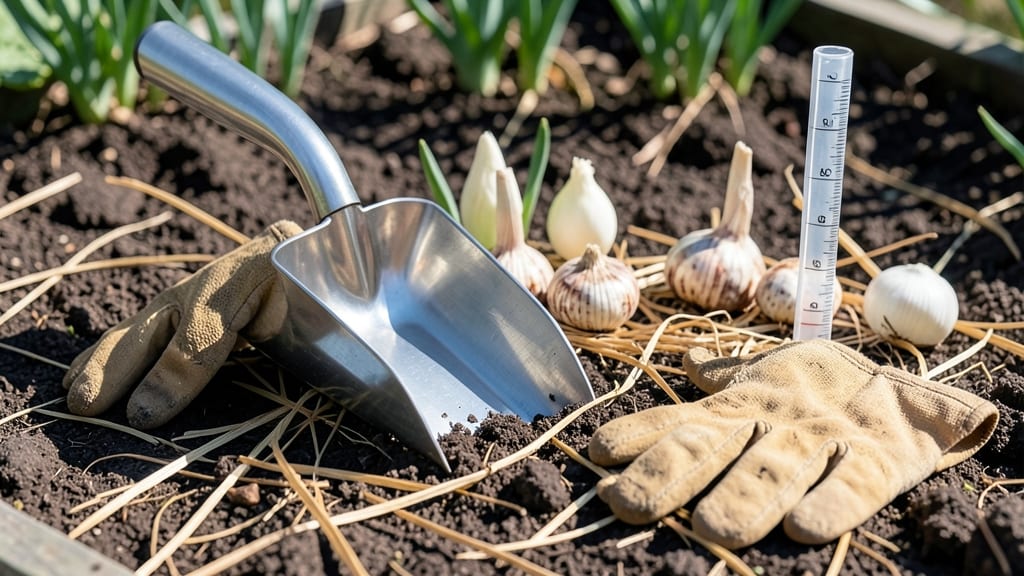
Planting bulbs in Arizona isn't just about timing—it's about outsmarting the desert's extremes. Too early, and your 🌱 Bulbs (General) will roast under the sun; too late, and they might not survive the rare winter chill. With USDA Zone 9b conditions, the sweet spot is narrow but doable.
Most gardeners here focus on fall planting between October and December, when soil temperatures cool enough to encourage root growth before summer heat returns. But did you know some bulbs actually thrive when planted in early spring? The key is matching your variety to Arizona's microclimates.
In this guide, I'll break down exactly when to plant each type—from classic tulips to drought-resistant desert marigolds—plus soil prep tricks that make all the difference. You'll learn how to stretch your blooms longer without overwatering, because in the desert, every drop counts.
Whether you're in Phoenix's urban heat or Flagstaff's cooler high desert, these strategies will help you grow vibrant bulbs that return year after year. Let's get those flowers in the ground the right way.
Best planting months for Arizona bulbs by type (cool vs. warm season)
Arizona’s USDA Zone 9b climate demands precise timing for bulb planting—too early, and bulbs roast in summer heat; too late, and they fail to establish roots before winter.
The key is understanding whether your bulbs thrive in cool-season dormancy (like tulips) or warm-season dormancy (like dahlias). Most gardeners focus on fall planting, but summer-bloomers need a different approach.
For spring-blooming bulbs (e.g., tulips and daffodils), plant in November to December—this gives roots time to anchor before winter rains arrive. Meanwhile, summer-blooming bulbs (like dahlias and lilies) must go in March to April, after the soil warms to 60°F+.
Let’s break down the best months for each type, including Arizona-specific adjustments.
One common mistake in Arizona is planting spring bulbs too early—by October, soil temps can still hit 90°F in Phoenix. Use a soil thermometer to confirm temps are below 70°F before planting.
For high-desert areas like Flagstaff, shift your timeline 4–6 weeks later; frost risk is higher, but summer heat arrives later.
For summer-blooming bulbs, the real challenge is post-bloom care. Dahlias and lilies need 6–8 weeks of growth before Arizona’s 100°F+ summers hit. Plant them in March and stake immediately to prevent flopping in heat. A 50% shade cloth can extend their season by 2–3 weeks in urban areas.
If you’re new to Arizona gardening, start with drought-tolerant bulbs like desert marigolds (Baileya multiradiata) or agave offsets. These thrive with zero summer watering and bloom reliably. For traditional bulbs, amend soil with compost
How to time bulb planting for Arizona’s microclimates (low vs. high desert)
Arizona’s dramatic elevation shifts create wildly different bulb planting windows. In Phoenix (1,100 ft), summer heat dominates, while Flagstaff (7,000 ft) faces cooler winters and shorter growing seasons.
Even Tucson (2,500 ft) has unique microclimates where urban heat islands can bake bulbs if planted incorrectly. Understanding these differences means the difference between vibrant blooms and withered failures.
Soil temperature is your best guide—aim for 60-65°F at planting depth (6 inches). In low desert areas like Phoenix, this typically means planting October through December, while high desert regions like Flagstaff can start as early as September.
The key is matching bulb types to your specific elevation’s frost dates and summer heat intensity.
| Region | Best Planting Window | Soil Temp Trigger | Watering Adjustment | Shade Strategy |
|---|---|---|---|---|
| Phoenix (Low Desert) | Late Oct - Mid Dec | 60-65°F at 6" | Drip irrigation only | Afternoon shade cloth |
| Tucson (Mid Desert) | Mid Sept - Nov | 55-60°F at 6" | Morning watering | Reflective mulch |
| Flagstaff (High Desert) | Early Sept - Oct | 50-55°F at 6" | Hand watering | North-facing slopes |
In Phoenix’s urban heat islands, I’ve found that bulbs planted in reflective mulch (like white gravel) stay 10°F cooler than those in bare soil. For drought-tolerant varieties like desert marigolds, plant in November when daytime temps drop below 80°F.
These bulbs thrive with minimal watering once established, making them perfect for low-desert gardens.
High desert areas like Flagstaff present different challenges—shorter growing seasons mean you must plant 6-8 weeks before first frost (typically by September 15th). Here, I recommend crocuses and snowdrops that naturalize quickly.
Their early blooms provide color before summer’s arrival, and they tolerate colder soil temperatures down to 40°F.
Tucson’s monsoon patterns create another layer of complexity. Plant fall-blooming bulbs like amaryllis in September to take advantage of summer rains, then protect them from flash floods with raised beds.
For spring bloomers, October planting gives roots time to establish before winter rains arrive—just be prepared to water deeply every 10-14 days during dry spells.
Remember that elevation affects bulb size too. In Phoenix, plant tulip bulbs 6-8 inches deep to protect them from summer heat, while in Flagstaff, shallower planting (4-6 inches) prevents winter heaving.
Always amend soil with compost to improve drainage—this is especially critical in Arizona’s alkaline soils that can stunt bulb growth.