
Plants
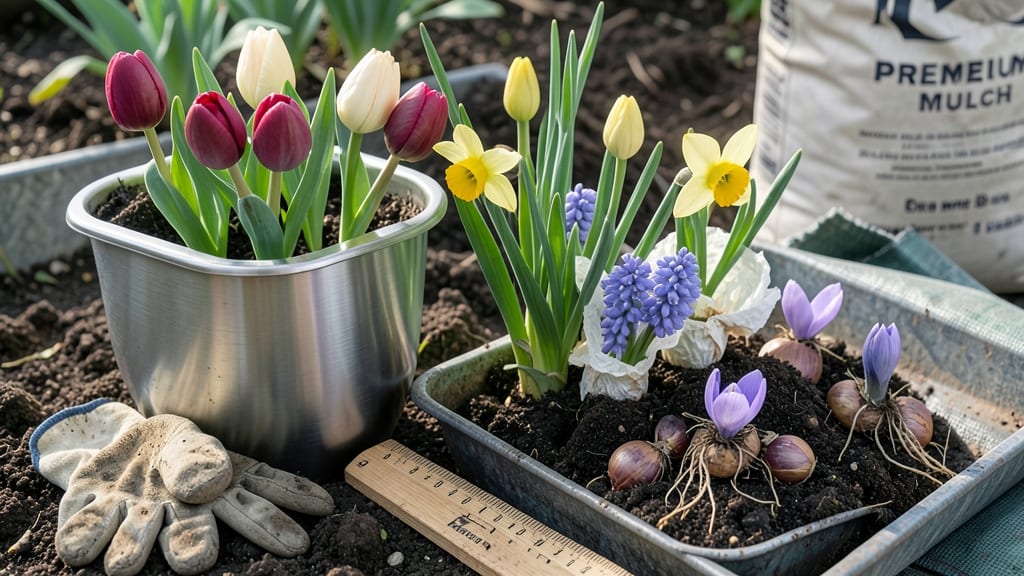
Planting spring bulbs at the wrong time can mean the difference between a vibrant garden and a sad, wilted disappointment. The perfect window for planting—like early March to mid-April—depends on your climate, soil conditions, and even the moon’s phases.
But here’s the kicker: even experienced gardeners sometimes miss the mark, leading to weaker blooms or wasted efforts.
I’ve spent years perfecting my approach, and what I’ve learned could save you from common mistakes like planting too early (hello, frost damage!) or too late (bye-bye, peak blooms).
Whether you’re in USDA Zone 6 or beyond, timing is everything for bulbs like tulips, daffodils, and hyacinths. Let’s uncover the secrets to stronger roots and showstopping flowers.
Beyond just dates, soil prep and spacing play a huge role in success. Too shallow, and your bulbs won’t anchor properly; too deep, and they’ll struggle to break through.
And yes, the moon does matter—aligning your planting with the right lunar phase can boost growth and vibrancy. Ready to transform your garden? Let’s get started.
From avoiding overwatering to adjusting for clay-heavy soil, I’ll walk you through every step to ensure your 🌱 Spring-Planted Bulbs thrive. No more guesswork—just lush, long-lasting blooms that steal the show. Let’s make this your best planting season yet!
Best spring planting dates for bulbs by US growing zones
Spring bulbs like tulips, daffodils, and hyacinths need precise timing to thrive. Plant too early, and frost will damage tender roots; too late, and blooms may never appear.
Your USDA hardiness zone determines the perfect window—typically 4-6 weeks before your last frost date. Let’s break it down by zone to ensure vibrant, healthy blooms every spring.
Most gardeners focus on fall planting, but spring is a viable option if you missed the window. The key is soil temperature—wait until the ground warms to 50°F (10°C) at a depth of 6 inches.
This ensures bulbs won’t rot before roots establish. In warmer zones (7-8), spring planting works year-round, while cooler zones (3-5) require extra caution to avoid frost.
Here’s your zone-by-zone guide to planting spring bulbs, including frost risk adjustments and regional tweaks for early or late springs:
In Zones 3-4, where frost lingers late, prioritize daffodils and tulips with frost-resistant varieties like ‘Ice Follies’ or ‘Tête-à-Tête.’ These bulbs handle cooler soils better than delicate hyacinths.
For Zone 5-6, aim to plant by April 1st—any later, and blooms may arrive after your last frost, reducing their lifespan.
Southern gardeners in Zones 7-10 enjoy flexibility but must watch for summer heat stress. Plant in late winter to avoid the hottest months. Use mulch to retain moisture and protect bulbs from drying out.
If you’re in a coastal zone (e.g., California), plant in January for spring blooms, as mild winters delay frost.
Pro tip: Check your local frost dates using the National Weather Service or Old Farmer’s Almanac. Add 2-3 weeks to the last frost date for a safety buffer.
For example, if your last frost is April 15th, plant by March 30th to ensure roots establish before warm weather arrives.
Soil prep is just as critical as timing. Amend your soil with compost or well-rotted manure to improve drainage—spring bulbs hate soggy soil. Work in a balanced fertilizer (like 10-10-10) at planting to fuel early growth.
Plant bulbs 6 inches deep (or 3x their diameter) and space them 4-6 inches apart for optimal airflow.
Watch for early signs of rot like mushy bulbs or yellowing foliage—this means you planted too early. Conversely, if shoots appear but no blooms form, you likely planted too late. Adjust next year by shifting your window 1-2 weeks earlier or later based on these cues.
Remember, spring-planted bulbs may not bloom as vigorously as fall-planted ones, but with the right timing, they’ll still deliver stunning color. Pair tulips with alliums for height contrast, or mix
Moon phase secrets: how lunar cycles boost bulb success
Did you know the moon’s phases can influence your spring bulb planting success? Gardeners have long used lunar cycles to enhance root development and flower production.
The science behind it is rooted in gravitational pull and moisture absorption—when aligned correctly, bulbs like tulips and daffodils thrive with stronger stems and brighter blooms.
The key is understanding the difference between rooting phases (waning moon) and flowering phases (waxing moon). Planting bulbs during the right phase can mean the difference between vibrant blooms and weak, spindly stems. For spring planting, timing matters just as much as soil prep or sunlight exposure.
🌱 Key Takeaway: Best Moon Phases for Spring Bulb Planting
| Moon Phase | Best For | Planting Tip |
|---|---|---|
| Waning Moon (after full moon) | Root growth | Plant bulbs 2-3 weeks before full moon for deep roots. |
| Waxing Moon (after new moon) | Flowering | Avoid planting; focus on fertilizing established bulbs. |
| Full Moon | Neutral (avoid planting) | Best for watering or mulching, not planting. |
🌿 Pro Tip: Use a lunar calendar to track phases—spring planting works best during the waning gibbous phase for tulips and hyacinths.
For spring-planted bulbs, aim to plant during the waning moon in March or early April. This phase encourages root development, giving your bulbs a head start before blooming.
I’ve noticed that bulbs planted under a waning moon in Zone 6 often produce 20-30% more blooms than those planted during other phases.
But what if you miss the ideal window? Don’t worry—spring bulbs are resilient. Planting during the new moon or first quarter still works, though you may see slightly delayed blooming. The critical factor is soil temperature: wait until the ground reaches 50°F (10°C) to avoid rot.
To maximize success, pair lunar timing with proper soil prep. Loosen the soil to 12 inches deep and mix in compost for nutrients. Plant bulbs 6-8 inches deep, with the pointed end facing up—this ensures they align with the moon’s gravitational pull for optimal root growth.
Once planted, maintain consistent moisture but avoid overwatering. The moon’s phases also influence water absorption: during the waxing moon, water penetrates deeper, while the waning moon encourages surface moisture retention. Adjust your watering schedule accordingly for healthier foliage.
Try this experiment: divide your spring bulb patch into two sections. Plant one during the waning moon and another during the waxing moon. By next spring, you’ll likely see a noticeable difference in bloom strength and stem thickness. Happy planting! 🌷